
Last updated September 24, 2026
Free in-home measure and quote - PGT, CGI and CWS impact lines compared on your actual openings, style by style
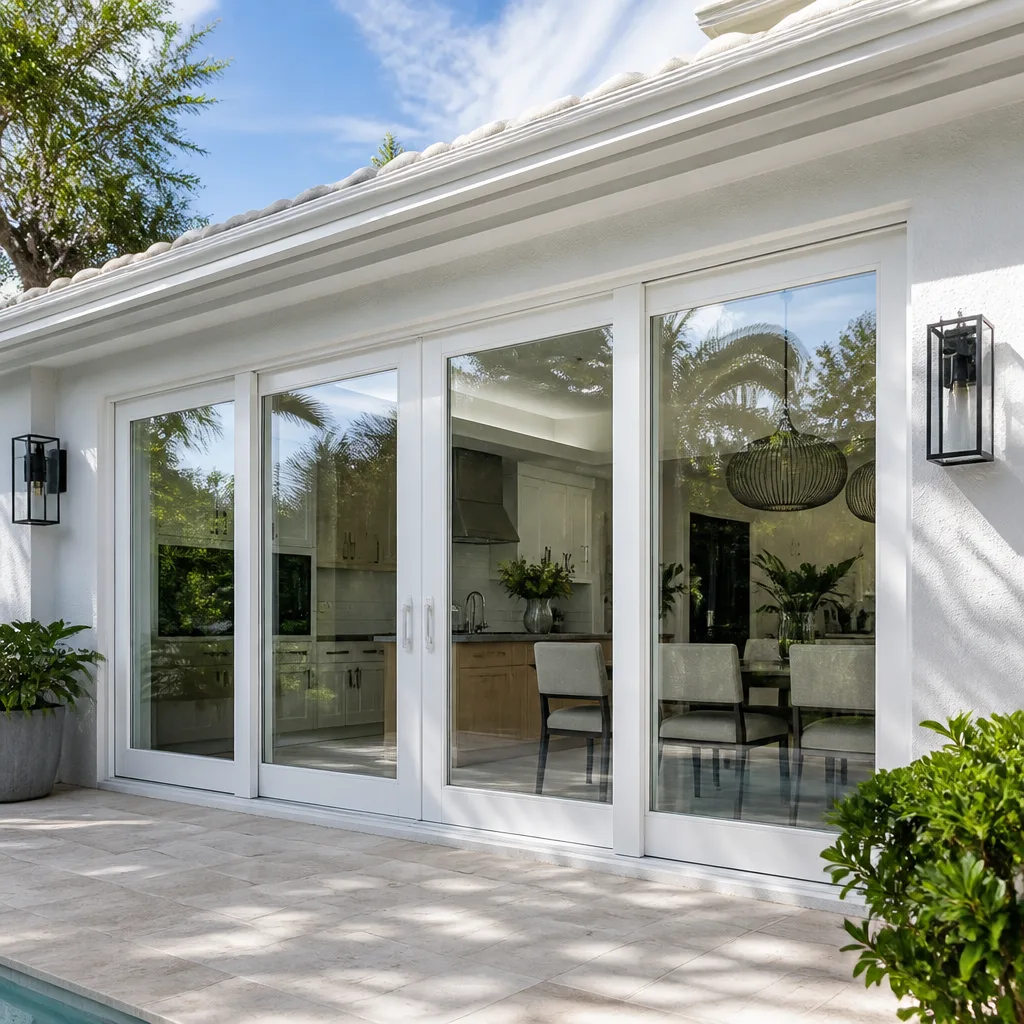

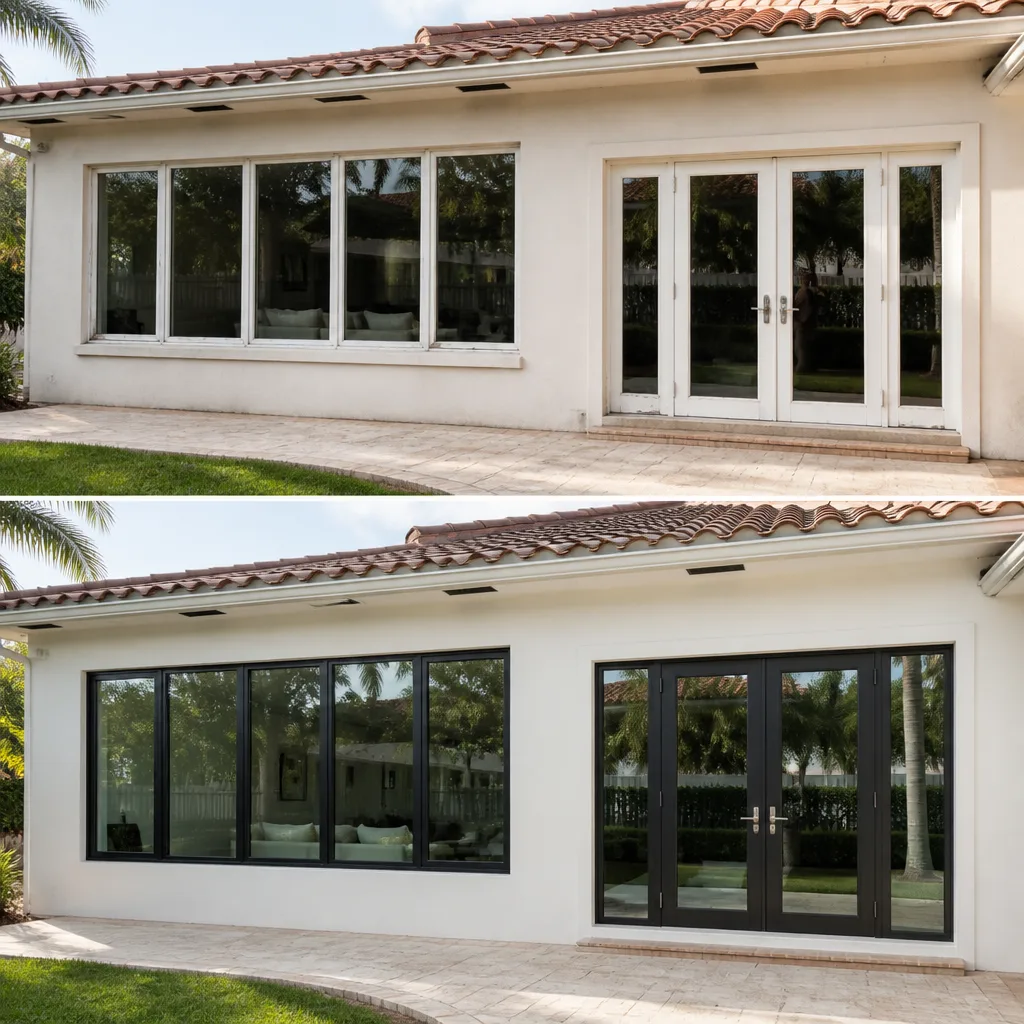
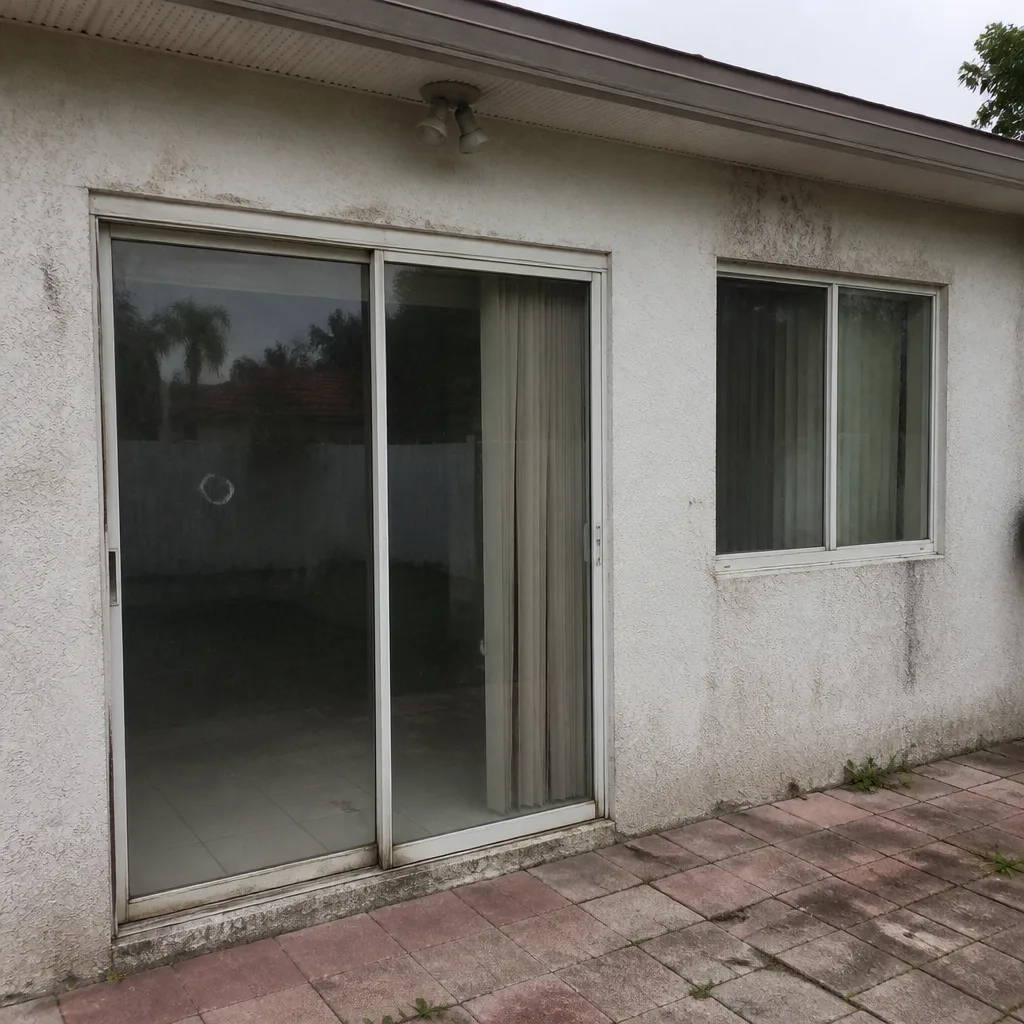 Before
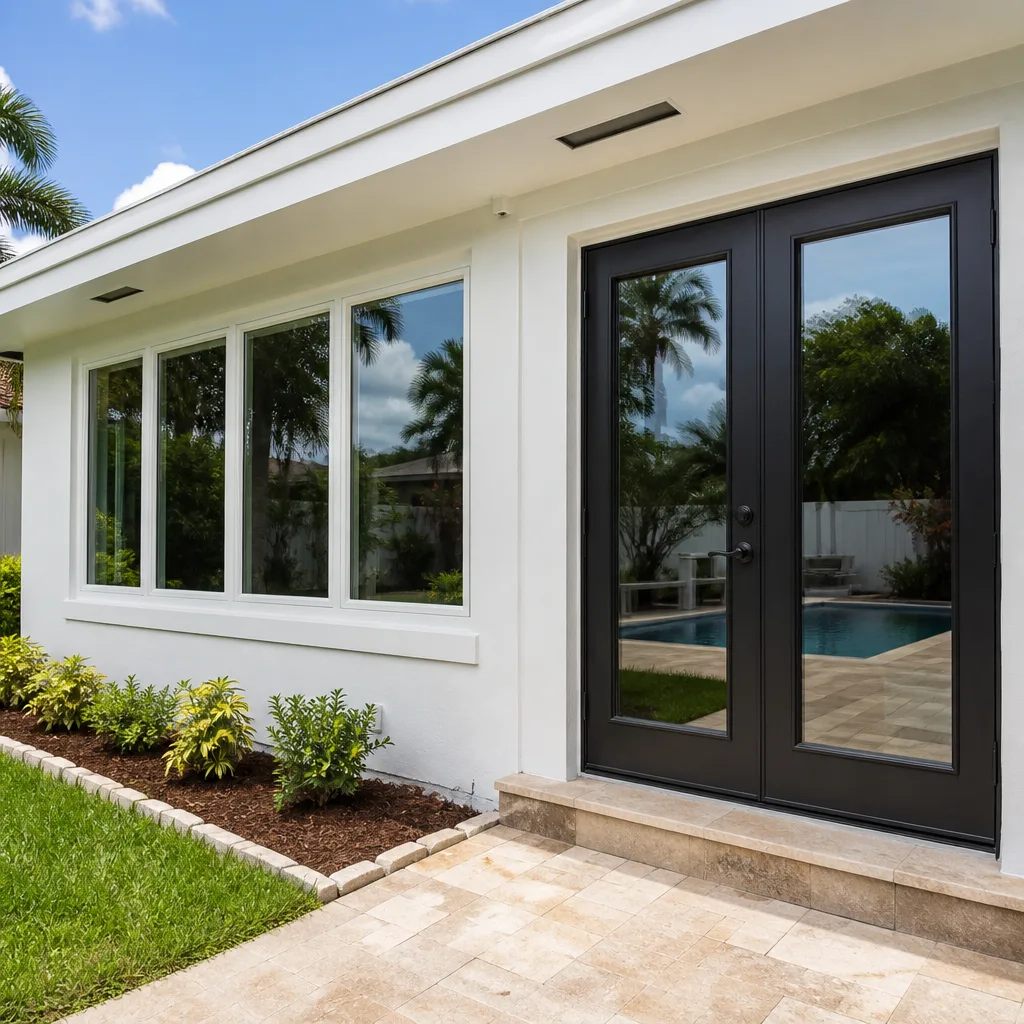 After
After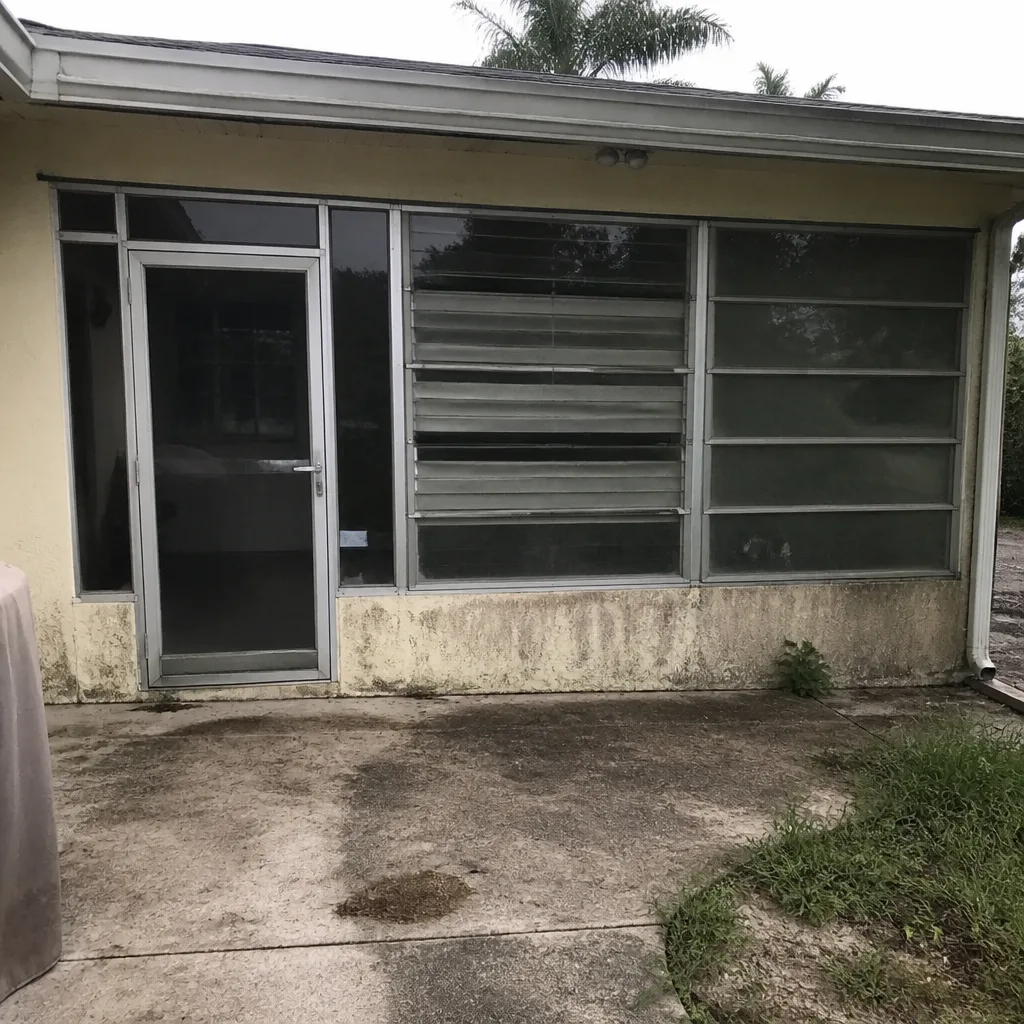 Before
 After
After Before
 After
AfterWindow Installation Maintenance Checklist for Sunrise Homeowners
The sealant bead around an impact window in a coastal ZIP code degrades measurably faster than the manufacturer’s quoted lifespan because accelerated UV and salt exposure aren’t factored into most warranty language. In Sunrise, where the UV index peaks above 11 for five months and salt aerosol travels inland from the Atlantic on prevailing easterlies, that gap leaves the homeowner responsible for a failure both installer and manufacturer can point away from. This guide organizes maintenance by calendar quarter, ties each task to the specific failure mode it prevents, and gives you the inspection criteria we’ve documented across 18,000+ openings since 2012.
Quick Answer
Window installation maintenance in Sunrise requires quarterly inspections focused on sealant integrity, weep hole function, and hardware corrosion. A homeowner who checks sealant beads for cracks exceeding 2 mm, verifies weep holes drain within 30 seconds of water introduction, and lubricates multipoint locks every 90 days will prevent the three most common failure modes we see in Broward County coastal installations: air infiltration, frame rot, and lock seizure. Document each inspection with dated photographs of the frame perimeter; this record supports warranty claims when manufacturer and installer dispute causation.
Table of Contents
- Q1 Inspections: January Through March - Post-Storm Recovery and Dry-Season Prep
- Q2 Inspections: April Through June - Pre-Monsoon Sealant and Hardware Check
- Q3 Inspections: July Through September - Peak Humidity and Hurricane Season Protocol
- Q4 Inspections: October Through December - Post-Hurricane Assessment and Dry-Season Maintenance
- How to Test Weep Holes and Why Blockage Causes Frame Rot in Sunrise
- Sealant Inspection Criteria: When Re-Caulking Becomes Necessary
- Hardware Lubrication Schedule for Impact Door Multipoint Locks
- The Documentation Habit: Photographing for Warranty Protection
 Before
 After
AfterQ1 Inspections: January Through March - Post-Storm Recovery and Dry-Season Prep
Sunrise’s dry season runs December through April, with relative humidity dropping to 65% and rainfall averaging 2.5 inches monthly. This is your window to address what the previous hurricane season inflicted before the summer stress cycle begins.
Inspect for wind-load damage. Even impact-rated units installed to HVHZ (High Velocity Hurricane Zone) standards can experience gasket compression set after sustained positive and negative pressure cycles. Open each operable window fully, then close and lock it. The sash should seat with uniform resistance; if one corner locks before the others, the frame may have racked slightly. In our work across Sunrise neighborhoods from Sawgrass Estates to Welleby, we’ve found this asymmetry most often in casement units that faced easterly exposure during Tropical Storm Nicole in 2022.
Check exterior sealant beads at the head and sill. The dry season’s low humidity causes acrylic and silicone sealants to contract. A crack visible in January will widen by June. Measure any gap with a feeler gauge or ruler: 1 mm is cosmetic; 2 mm admits wind-driven rain; 3 mm requires immediate re-caulking. The manufacturer warranty on your PGT or CGI unit won’t cover water intrusion through a failed sealant joint - that’s classified as maintenance, not product defect.
Clean tracks and weatherstrip channels. Salt and sand accumulation from winter frontal passages abrade weatherstrip pile and create grit that accelerates roller wear in horizontal sliders. Remove debris with a vacuum and soft brush, then wipe with a damp cloth. Do not lubricate the track; lubricant attracts particulate and forms abrasive paste.
Test operation force. An operable window that required 5 pounds of force to open in October and now requires 15 pounds has a binding issue. Common causes in Sunrise installations: settling of the subsill in the sandy Broward soil profile, or thermal bow from seasonal temperature swing. Document the force required; if it increases another 50% by Q2, call for assessment.
- Inspect all impact-rated labels for legibility; faded labels complicate insurance claims
- Verify screen frames are square and spline is seated; replacement screens ordered in Q1 arrive before hurricane season
- Photograph the frame perimeter from four angles, with date stamp visible
Q2 Inspections: April Through June - Pre-Monsoon Sealant and Hardware Check
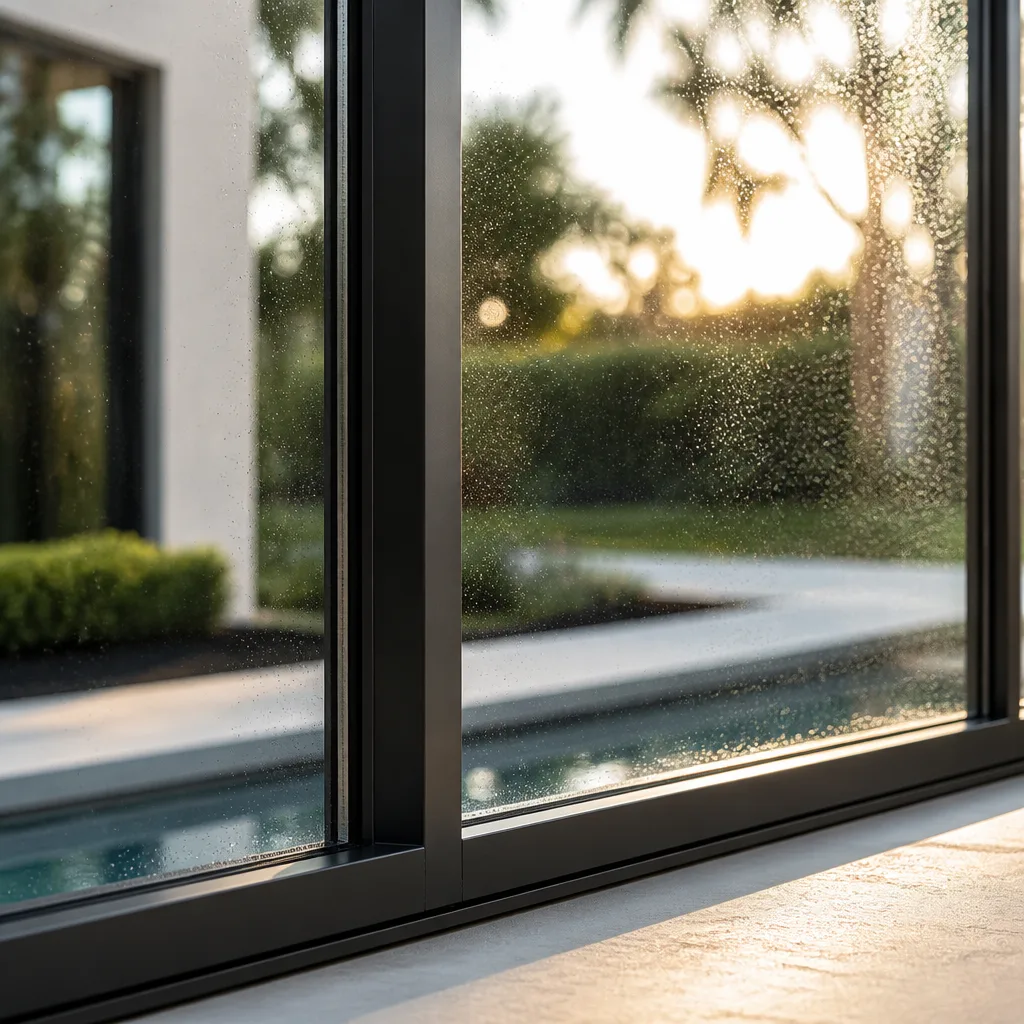
The transition month in Sunrise is May, when the subtropical high shifts north and the rainy season begins with afternoon convection that can drop 2 inches in 45 minutes. Your Q2 inspection is timed to catch degradation before it becomes infiltration.
Re-examine sealant beads identified in Q1. Temperatures now reach the mid-80s, and sealant has expanded from its January contraction state. If a 2 mm crack in January is now a closed joint with visible internal tearing, the sealant has exceeded its elastic recovery. This is more common than outright gaping - the sealant looks intact but has fractured internally. Probe gently with a plastic putty knife; resistance should be uniform. A hollow or mushy spot indicates delamination from the substrate.
Inspect weep hole covers and drainage paths. All modern vinyl and aluminum window systems in Sunrise installations include weep holes at the sill to drain condensation and wind-driven rain that enters the glazing pocket. The cover - typically a snap-in plastic or metal louver - prevents insect entry while allowing water exit. Remove covers, flush with clean water, and verify drainage appears at the exterior within 30 seconds. If water stands, the internal channel is blocked with construction debris or biofilm. We’ll detail the full weep hole protocol in a dedicated section below; for Q2, the priority is confirming function before the daily rain pattern begins.
Lubricate multipoint lock mechanisms. Impact door locks from manufacturers like Therma-Tru use multiple locking points along the stile, operated by a single handle throw. The internal linkage is steel in an aluminum housing; in Sunrise’s 85% summer humidity, corrosion begins in unlubricated mechanisms within 60 days. Use a dry PTFE lubricant on the linkage, not oil-based products that attract salt aerosol. Cycle the lock ten times after application to distribute.
Inspect glazing bead integrity. The vinyl or rubber bead that retains the glass in the sash can shrink in Florida sun. A gap at the miter corner of a rectangular bead, or waviness in a continuous snap-in profile, indicates UV degradation. On units with window installation in Sunrise completed under the Haven Standard, we specify UV-stabilized beads for coastal exposure; if your installation predates 2018 or came from another contractor, this may be the quarter you discover substandard material.
- Close and lock all windows; apply soapy water to the interior perimeter
- Have a helper pressurize the room with a window fan on exhaust
- Bubble formation at the frame-wall joint indicates sealant failure
- Bubble formation at the sash-frame joint indicates weatherstrip failure
- Mark locations with masking tape and photograph for your record
Q3 Inspections: July Through September - Peak Humidity and Hurricane Season Protocol
This is the stress quarter. Sunrise averages 8.5 inches of rain monthly, dew points hold in the mid-70s, and tropical systems pass within 200 miles on average twice per season. The maintenance focus shifts from prevention to active monitoring.
Monitor interior condensation patterns. Condensation on the interior surface of the glass indicates high indoor humidity relative to glass temperature - an environmental condition, not a window defect. Condensation between panes of an IG unit (insulated glass) indicates seal failure and argon loss. The distinction matters for warranty claims. In Q3, Sunrise homes run air conditioning continuously; if you’re seeing interior condensation at the bottom edge of the glass only, the U-factor may be inadequate for the cooling load, or the HVAC supply register may be blowing directly on the glass. We’ve documented this pattern in Sunrise’s older Welleby subdivisions where original aluminum single-pane units were replaced with entry-level vinyl without load calculation.
Inspect after every tropical system. Not every hurricane makes landfall, but tropical storm-force winds drive rain at angles that test installation quality. Within 48 hours of any named system passing within 100 miles:
- Check the interior sill and subfloor for moisture with a moisture meter; readings above 16% indicate water intrusion
- Operate each window; salt spray on tracks causes immediate corrosion if not rinsed
- Inspect exterior sealant at all four sides; wind-driven debris impacts can fracture beads
- Document any new damage with dated photographs before cleaning
Address biofilm in weep channels. The combination of standing water, warmth, and organic particulate in Sunrise’s summer creates algal growth in weep channels that standard Q2 flushing won’t clear. If your 30-second drainage test from April now exceeds two minutes, the channel needs mechanical cleaning. A pipe cleaner or compressed air (low pressure, from the exterior inward to avoid forcing debris into the glazing pocket) will restore flow. Never seal weep holes to prevent insect entry; the resulting frame rot will void every warranty involved.
Verify impact-rated product markings. If you’ve added aftermarket window film, replaced a broken lite with non-impact glass, or modified the frame in any way, your HVHZ compliance is compromised. Insurance adjusters in Broward County photograph and document; post-Andrew building codes are unforgiving. The Sightline Windows & Doors Sunrise home assessment includes verification of impact ratings against the product approval database maintained by the Florida Building Commission.
Q4 Inspections: October Through December - Post-Hurricane Assessment and Dry-Season Maintenance

October is statistically the most active month for South Florida hurricane landfalls. By November, the subtropical high has shifted south, humidity drops, and you have a 90-day window to complete repairs before the next cycle begins.
Conduct the annual frame perimeter documentation. This is the photograph that establishes your baseline for the coming year. Shoot from the interior and exterior at 90 degrees to the plane of the glass, capturing the full frame-to-wall interface. Include a date reference (newspaper, phone screen, or timestamp). Store in cloud backup with the address and window location in the filename. In warranty disputes, this dated record is often the only evidence that distinguishes installation-date defects from subsequent maintenance failures.
Schedule professional assessment for any Q3 findings you deferred. The dry season is when glazing contractors have capacity for non-emergency work in Sunrise. If you identified sealant failure, hardware binding, or IG seal breach during summer monitoring, now is when to obtain written scope and pricing. Under the Haven Standard, our measured survey produces the written quote you keep; the scope and price do not change once established.
Clean and inspect insect screens. Remove, wash with mild detergent, inspect mesh for tears or frame for corrosion. In Sunrise’s coastal environment, aluminum screen frames corrode at the corners where dissimilar metals contact; fiberglass mesh UV-degrades and becomes brittle. Replacement in Q4 ensures availability before manufacturers prioritize hurricane season demand.
Review your documentation archive. You should have four quarterly photo sets, any professional assessment reports, and correspondence with installers or manufacturers. If a pattern is emerging - sealant failure at the same location two years running, hardware corrosion recurring annually - this is evidence of systemic issue, not maintenance neglect. The 365-Day Done Right Promise under the Haven Standard addresses workmanship; manufacturer warranties address product. Your documentation determines which applies.
How to Test Weep Holes and Why Blockage Causes Frame Rot in Sunrise
Weep holes are the most neglected component in residential window maintenance and the most common cause of catastrophic frame failure we encounter in Sunrise callbacks. Here’s the specific protocol.
Location and identification. Weep holes are located on the exterior sill of the window frame, typically 4 to 6 inches from the vertical jamb, one per sash width section. They’re covered by a louvered or baffled insert that prevents insect entry while allowing water exit. On vinyl frames, they’re molded openings; on aluminum, they’re drilled holes with snap-in covers.
The 30-second test. Remove the cover gently with a flat tool. Pour 8 ounces of clean water into the glazing pocket through the weep hole opening, or introduce it at the interior side if the sash design allows. Water should appear at the exterior weep opening within 30 seconds. If it does not:
- The internal channel is blocked with construction debris (common in new construction installations where drywall dust enters during finishing)
- Biofilm or algal growth has occluded the narrow channel (common in Sunrise’s humid summers)
- The frame was installed without positive slope to the exterior, pooling water instead of draining it
- The weep hole was sealed during painting or caulking by an uninformed contractor
Why blockage causes frame rot. The glazing pocket - the channel that receives the glass edge - is not waterproof. It’s designed to drain. When drainage is blocked, water stands continuously in the vinyl or aluminum extrusion. Vinyl absorbs negligible moisture but harbors mold and allows water to migrate to the rough opening, rotting wood buck frames and drywall. Aluminum corrodes at the interior, often invisibly, until the wall interface fails. In Sunrise’s six-month rainy season, a blocked weep hole can destroy a surrounding wall assembly before visible interior damage appears.
Clearing protocol. For debris: compressed air from exterior to interior at 30 PSI maximum, or a pipe cleaner. For biofilm: 10% bleach solution flush, followed by clean water rinse. For painted-sealed holes: careful opening with a drill bit matching the original diameter, never larger. If the frame lacks weep holes entirely - we’ve found this in some 1990s Sunrise installations using imported product - professional modification or replacement is required; drilling without knowledge of the internal chamber geometry risks penetrating the thermal break or glazing seat.
Sealant Inspection Criteria: When Re-Caulking Becomes Necessary
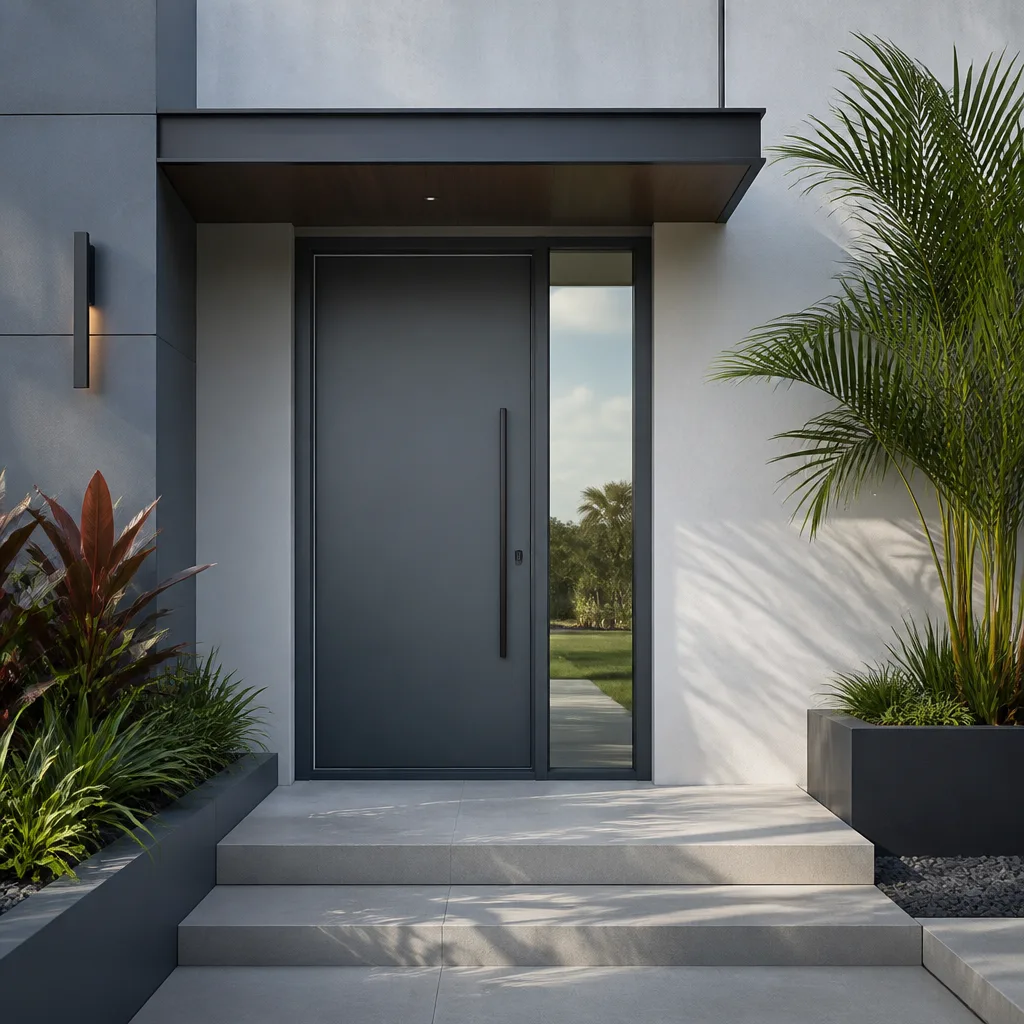
Sealant failure is not binary. Understanding the progression lets you intervene before water intrusion damages the wall assembly.
Stage 1: Surface crazing. Fine, random cracking visible only on the sealant surface, not penetrating to substrate. Common in silicone exposed to UV index above 10 for 18+ months. No action required; monitor quarterly.
Stage 2: Adhesive failure. The sealant separates from the frame or wall at one edge, creating a V-gap visible when traced with a fingernail. Width under 2 mm: clean and reseal at next scheduled maintenance. Width 2-3 mm: reseal within 30 days. Width exceeding 3 mm: immediate reseal; water is entering.
Stage 3: Cohesive failure. The sealant splits through its full thickness, creating a channel from exterior to interior. Always requires immediate replacement. In Sunrise installations, we see this most often at the head of west-facing windows where daily thermal cycling peaks, and at sills where foot traffic or cleaning contact abrades the bead.
Material specification for re-caulking. Not all sealants are compatible. Polyurethane (like Sikaflex or Vulkem) adheres well to vinyl and aluminum but requires primer on some substrates and is not paintable. Neutral-cure silicone (GE SCS2000, Dow 795) offers superior UV resistance and movement capability but poor paint adhesion. Hybrid sealants (OSI Quad, Sherwin-Williams 850A) attempt both. For window replacement in Sunrise completed by Sightline, we specify the sealant by substrate and exposure in the written scope; for maintenance, match the existing or consult the manufacturer. Applying incompatible sealant over residue causes immediate delamination.
Application criteria. Joint width should be 2:1 depth-to-width ratio, minimum 1/4 inch width. Backer rod (closed-cell polyethylene) prevents three-sided adhesion that restricts movement. Tooling with a wet finger or concave tool shapes the bead for water shedding. In Sunrise’s climate, avoid application when surface temperature exceeds 90°F; the solvent flashes too quickly and skin forms over uncured interior.
Hardware Lubrication Schedule for Impact Door Multipoint Locks
Multipoint locks on impact-rated doors - standard on Therma-Tru and required by code on all HVHZ exterior doors - contain more moving parts than standard single-point deadbolts, and those parts corrode faster in Sunrise’s coastal humidity than inland equivalents.
Mechanism function. A single handle lift operates a main latch, deadbolt, and two to four auxiliary locking points distributed along the door edge. The linkage runs through the door stile in channels that are not sealed against atmosphere. In 80% relative humidity with salt aerosol present, unprotected steel components show surface corrosion in 45-60 days.
Lubrication protocol every 90 days:
- Open the door. Wipe all visible metal with a clean cloth to remove salt film
- Apply dry PTFE lubricant (Blaster Dry Lube, Tri-Flow with PTFE) to all hinge pins, latch faces, and the multipoint linkage access points
- Cycle the handle through full lift and release ten times
- Apply a light film of silicone grease to the deadbolt face only - not the linkage
- Close and verify smooth engagement; binding indicates corrosion already present
What not to use. WD-40 is a solvent, not a lubricant; it displaces moisture temporarily then evaporates, leaving residue that attracts salt. Graphite powder lubricates well but stains adjacent finishes. Oil-based products (3-in-1, motor oil) form sticky films that collect airborne particulate and sand.
Replacement indicators. If handle lift requires increasing force, if auxiliary points fail to extend fully, or if the deadbolt drags in the strike plate, corrosion has progressed beyond lubrication remediation. Multipoint lock replacement requires door disassembly; on impact-rated units, this must be performed by a licensed contractor to maintain product approval. The door installation in Sunrise team at Sightline documents all hardware maintenance in the job record for warranty continuity.
The Documentation Habit: Photographing for Warranty Protection
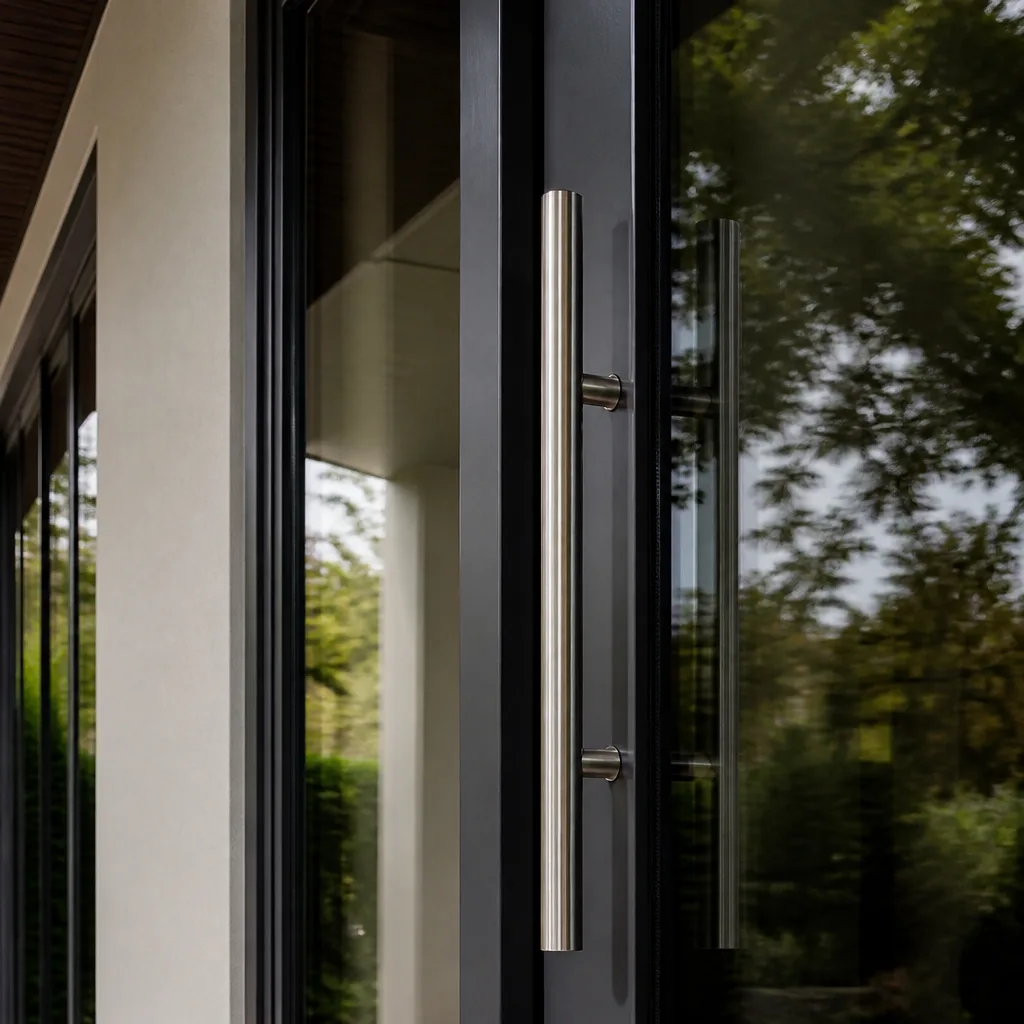
Every warranty dispute we’ve mediated between Sunrise homeowners and manufacturers or insurers has turned on one question: when did the condition first exist? For Windows & Doors Permits, Codes & Inspections in FL: What You Need to Know, proper documentation is equally critical. Without dated evidence, the homeowner bears the burden of proof.
The annual photograph set. Four images per window or door: exterior wide (showing full frame-to-wall interface), exterior detail (sealant bead close-up), interior wide, interior detail (hardware and sill). Include a date reference in each frame. Filename format: 2024-01-15_12345SunriseDr_BedroomNorth_ExteriorWide.jpg. Store in cloud service with version history (Google Drive, Dropbox, iCloud).
The maintenance log. Simple spreadsheet: date, task performed, findings, action taken, next due date. This transforms you from a passive warranty claimant to a documented maintainer. Manufacturer warranty language universally excludes “failure to maintain”; your log is the rebuttal.
Professional documentation from Sightline. Under Haven Clause 4 (Evidence on Every Job), every installation we complete includes a documented photo record: pre-existing conditions, rough opening state, installed unit with level/square verification, and finished condition. The customer receives this record. When we return for any service, we add to it. This creates an unbroken chain of documentation that has supported successful warranty claims on ES Windows and ECO Window Systems products where other homeowners were denied for “indeterminate causation.”
Insurance considerations. Florida insurers increasingly require maintenance documentation for window and door claims. After Hurricane Ian, several carriers denied claims where impact-rated windows failed due to deferred sealant maintenance, classifying the loss as maintenance neglect rather than storm damage. Your photograph archive is your coverage defense.
Common Mistakes to Avoid
- Sealing weep holes to stop insects. This guarantees frame rot and voids every warranty. Use proper baffled covers instead; they’re included with quality installations and available as replacement parts from Mr-Glass and other manufacturers.
- Pressure-washing windows directly. The 2,000+ PSI stream drives water past weatherstripping and into the glazing pocket. In Sunrise’s humidity, this water doesn’t evaporate before mold establishes. Use low-pressure rinse and soft brush instead.
- Applying automotive wax to vinyl frames. The petroleum distillates in carnauba and synthetic automotive waxes plasticize vinyl temporarily, then cause UV degradation acceleration. Use vinyl-specific protectants only.
- Ignoring hardware binding as “normal aging.” A window that required 8 pounds of force to open and now requires 20 has a measurable problem - track wear, sash racking, or frame distortion. Operating force will not improve; it will accelerate wear until the mechanism fails.
- Deferring sealant replacement until “next season.” In Sunrise’s climate, a 3 mm sealant gap in October becomes a water intrusion path by the first December frontal passage. The dry season is when you repair, not when you wait.
- Failing to verify contractor sealant compatibility. A handyman who applies standard latex caulk over silicone residue has created a joint guaranteed to fail. The repair costs more than original maintenance would have.
- Discarding original product labels and approvals. The Florida Product Approval number, NFRC label, and impact rating mark are required for insurance claims and resale disclosure. Photograph and file; the physical label may fade or be painted over.
When to Call a Professional
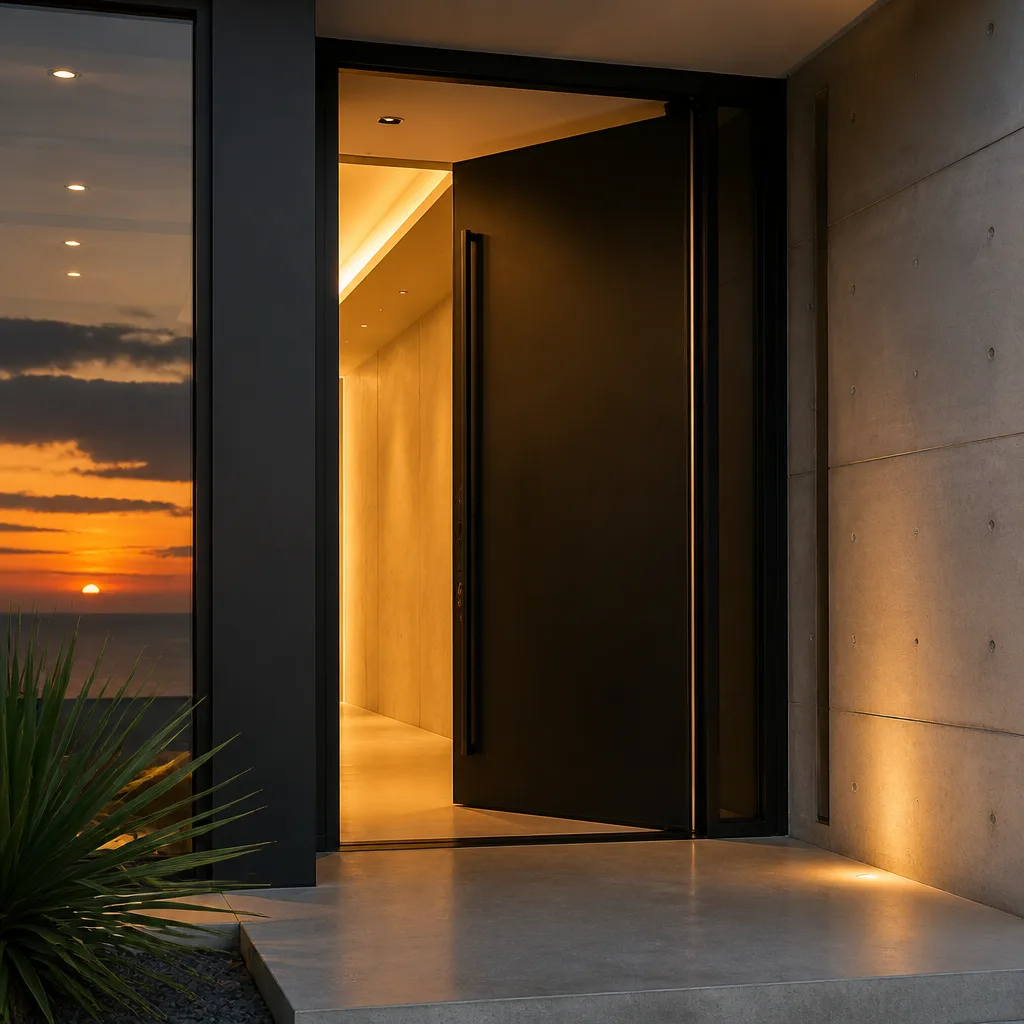
Some conditions exceed homeowner maintenance scope. Call for assessment when: condensation between IG panes indicates seal failure; frame racking causes sash misalignment exceeding 1/8 inch; multipoint lock linkage is seized or handle lift exceeds 25 pounds force; sealant failure is accompanied by interior drywall staining (indicating wall assembly damage); or the window is impact-rated and any modification might compromise HVHZ compliance.
Sightline Windows & Doors Sunrise offers free estimates in Sunrise - call (754) 254-5294 - and publishes more guides & resources on coastal window care. Every assessment includes the measured survey you keep, the written price before any work starts, and documentation of findings under the Haven Standard. We also provide free second opinions on any written estimate from another contractor; bring your scope and we’ll review it against what the opening actually requires.
Frequently Asked Questions
Quarterly inspections are the minimum for Sunrise’s climate, with additional checks within 48 hours of any tropical storm passage. The salt aerosol, UV exposure, and six-month rainy season create accelerated degradation compared to inland or northern climates. Call (754) 254-5294 for an exact quote on professional inspection - estimates are free.
Professional maintenance inspection and minor service (sealant touch-up, hardware lubrication, weep hole cleaning) typically runs $150-$350 per opening for standard sizes, with multipoint lock service on impact doors at $200-$450 depending on hardware complexity. Major sealant replacement or hardware replacement is quoted per the measured survey. Sightline provides the written price before any work starts - Haven Clause 1 - and offers free second opinions on competitor estimates.
No. Under the Haven Standard, the measured survey and the written quote are the same document. The scope and price established before work begins do not change unless the customer requests additional work. This has been Sightline’s practice since 2012 across 18,000+ installations.
The maintenance tasks are similar, but the consequences of neglect are more severe. Impact windows use laminated glass that remains in place when fractured; if the frame sealant fails and corrosion compromises the frame, the laminated lite can detach as a single heavy panel. Additionally, impact product warranties often require documented maintenance for validity. The inspection protocol is identical; the documentation standard is higher.
Correct installation in Sunrise meets Florida Building Code product approval, HVHZ fastening schedules, and manufacturer-specific details. Warning signs of deficient installation: sealant applied only at exterior with no backer rod; weep holes absent or sealed; shims visible and unsecured; frame not square within 1/8 inch in any direction; or fasteners not stainless steel or approved coated steel. Sightline’s documented photo record from installation provides verification; if your installer didn’t leave one, professional assessment can identify deficiencies.
Homeowners can perform visual inspection, cleaning, basic lubrication, and weep hole clearing. Sealant replacement on impact-rated units, multipoint lock service, and any frame modification require licensed contractor involvement to maintain product approval and warranty. When in doubt, the cost of professional assessment is lower than the cost of voided warranty or failed inspection at resale. Call (754) 254-5294 to schedule - estimates are free.
The Bottom Line
Window maintenance in Sunrise is not optional upkeep - it’s climate-specific preservation against salt, UV, and humidity that degrade components faster than manufacturer warranties assume. Organize your work by calendar quarter: Q1 for post-storm recovery, Q2 for pre-monsoon preparation, Q3 for active monitoring through peak stress, Q4 for documentation and repair scheduling. Measure sealant cracks in millimeters, time weep drainage in seconds, and photograph everything with dates. The homeowner who maintains this discipline protects not just the window, but the wall assembly behind it and the warranty that covers it.
Written by Sonia Raman, Owner at Sightline Windows & Doors Sunrise, serving Sunrise since 2012.