
Last updated September 24, 2026
Free in-home measure and quote - PGT, CGI and CWS impact lines compared on your actual openings, style by style
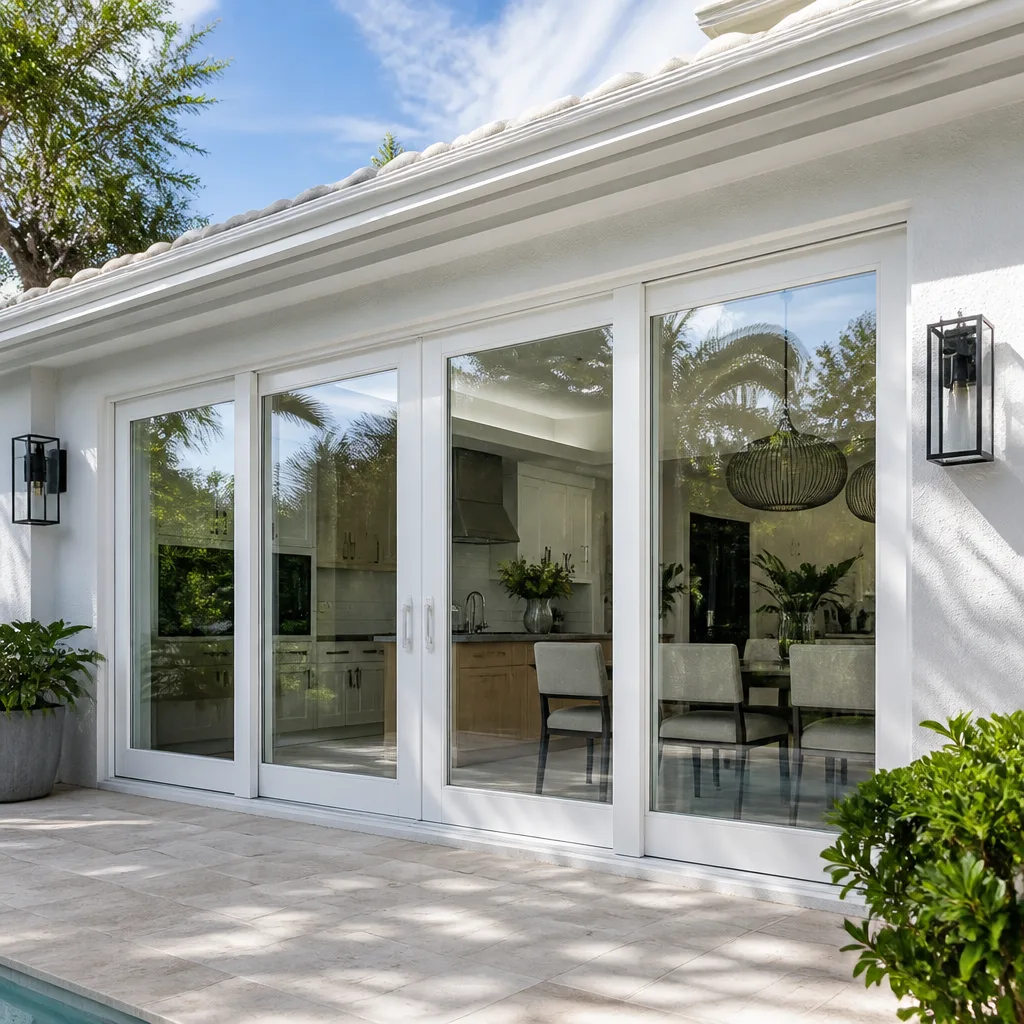
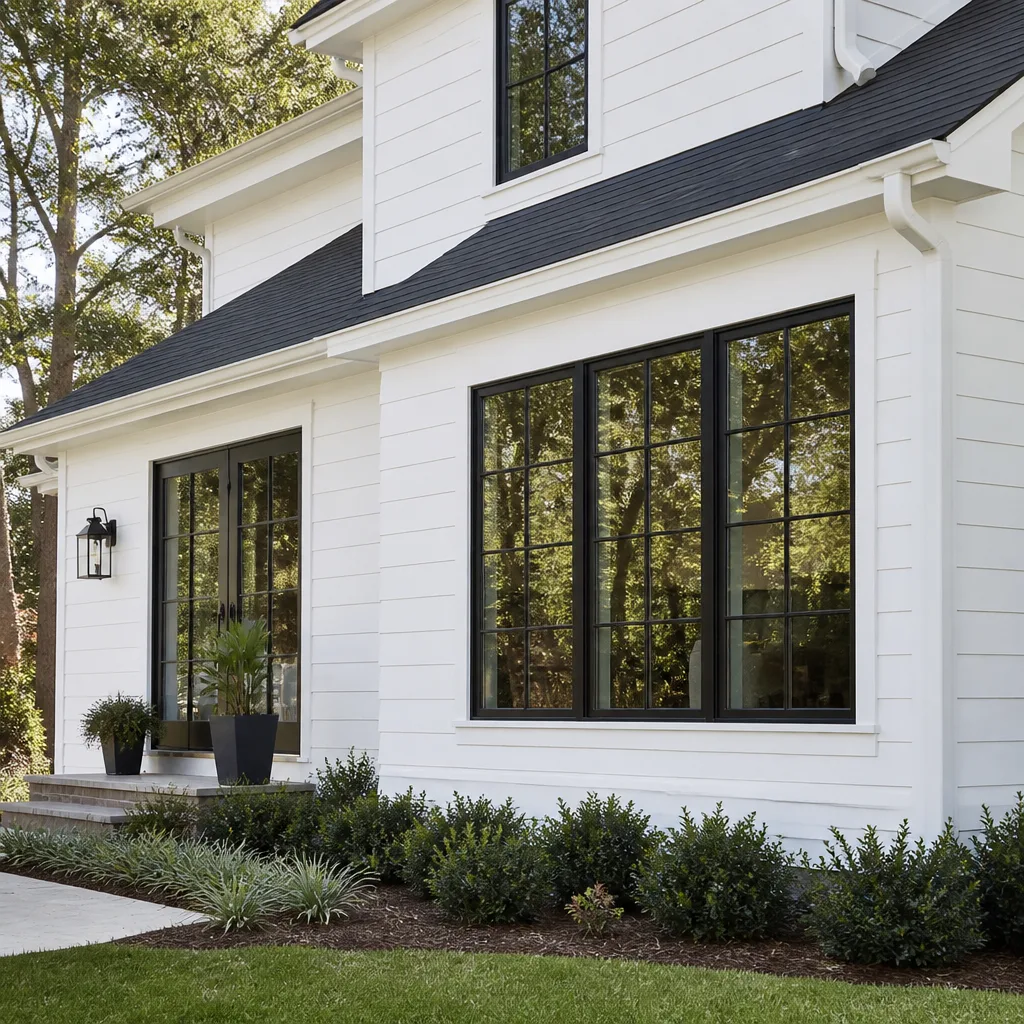
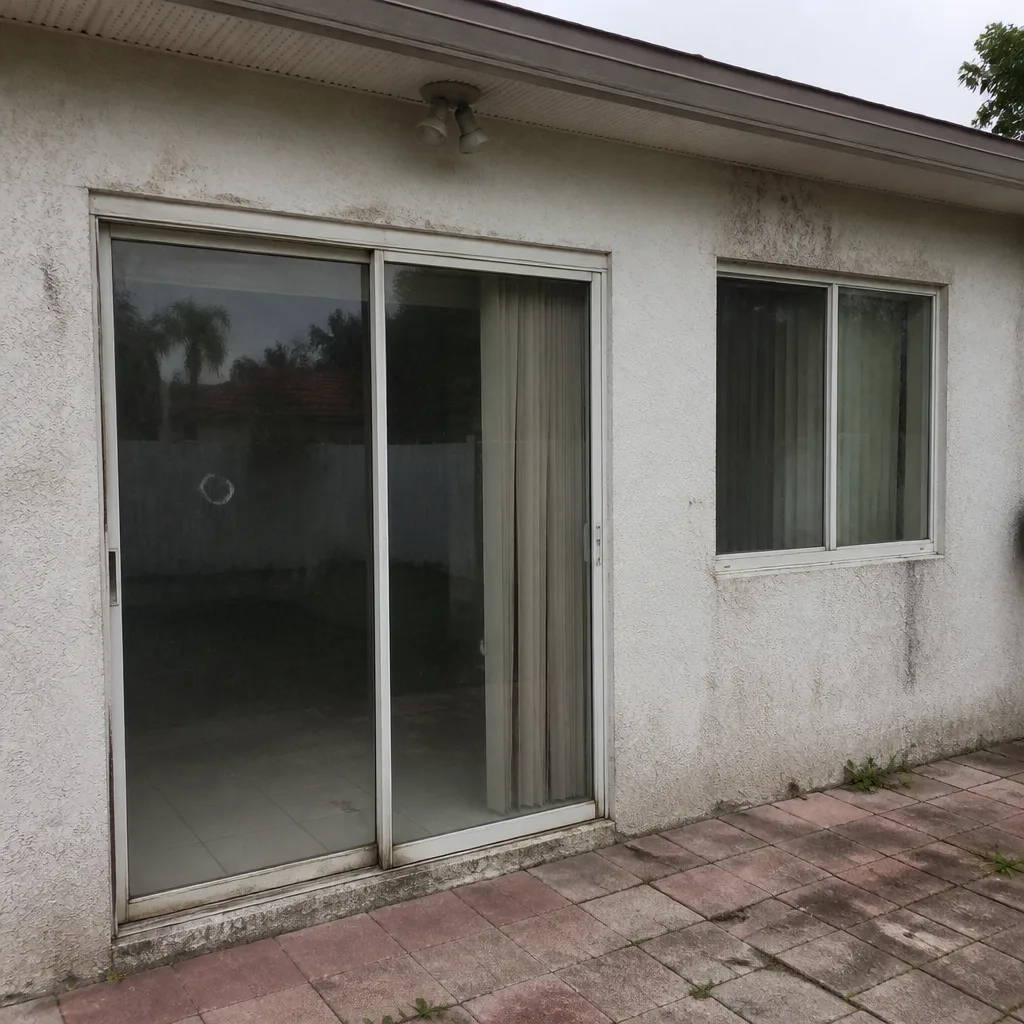 Before
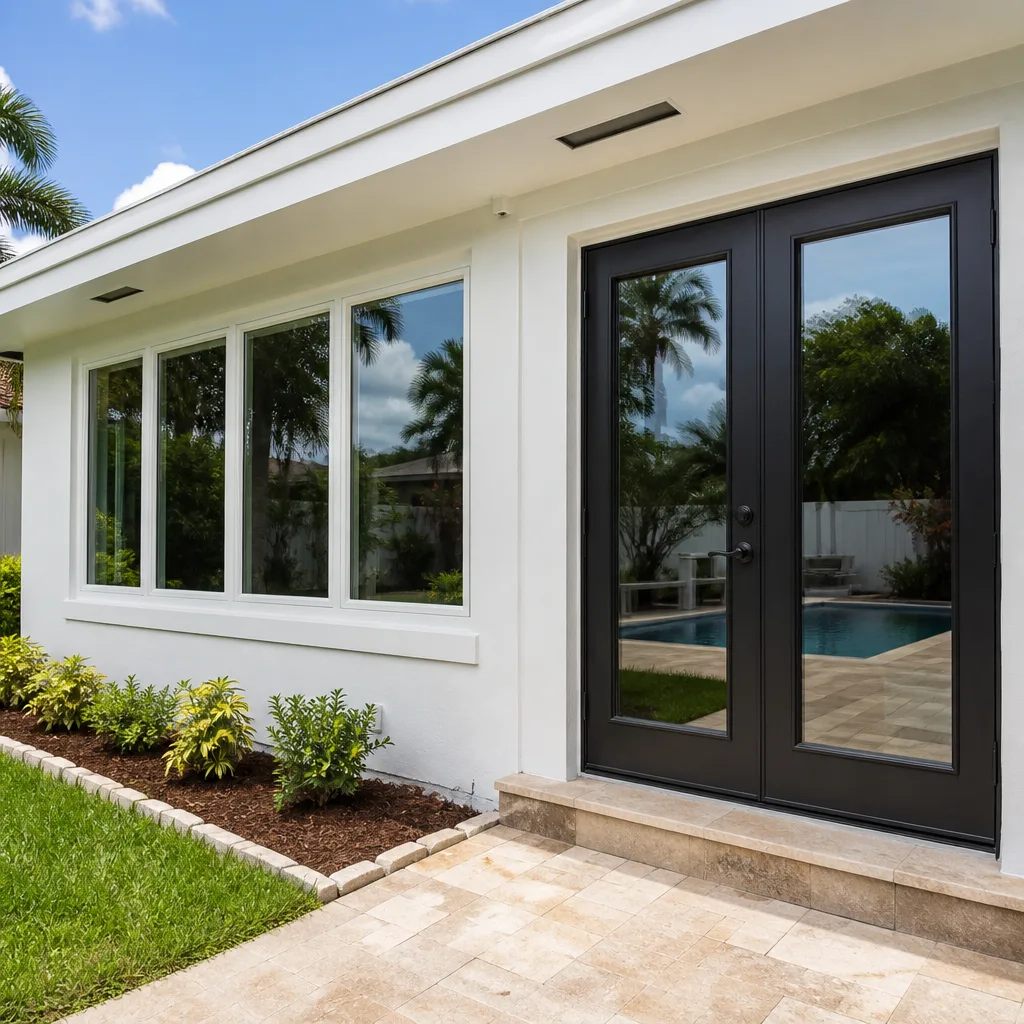 After
After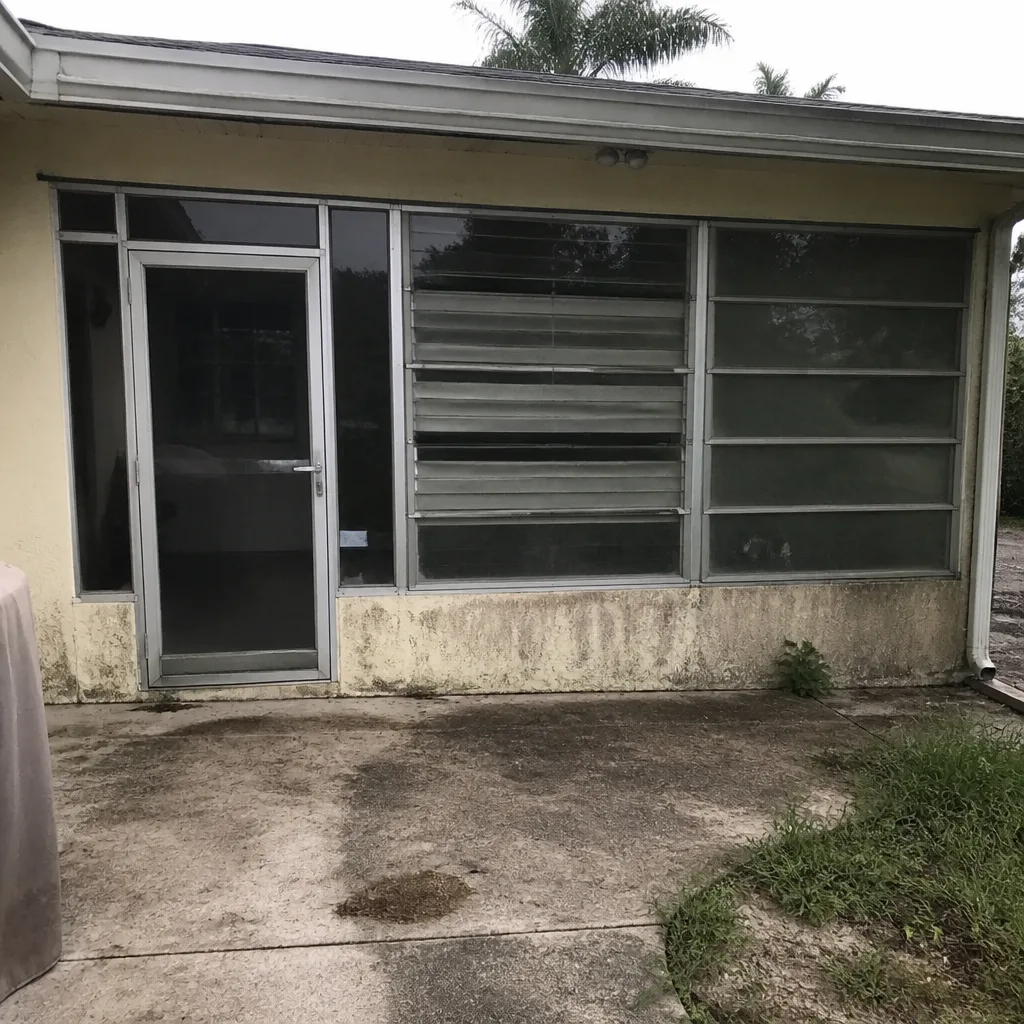 Before
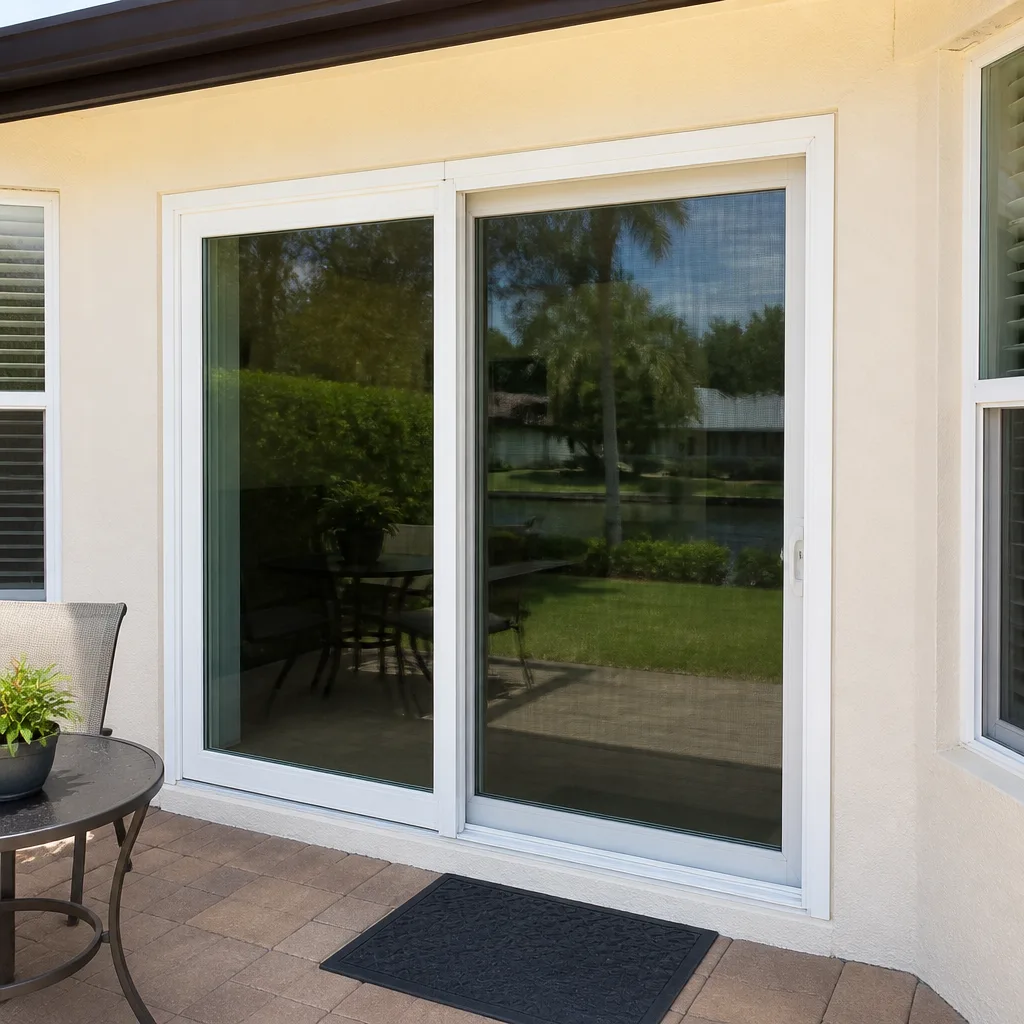 After
After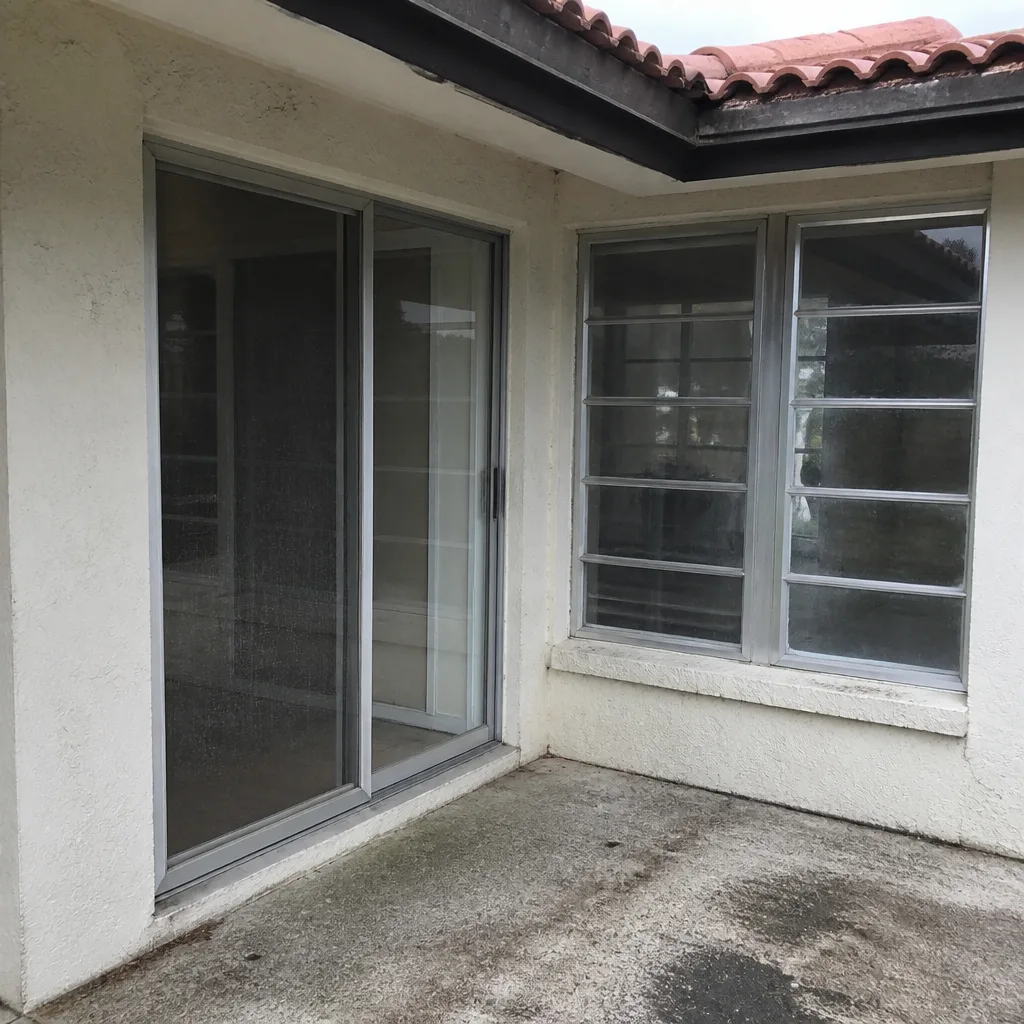 Before
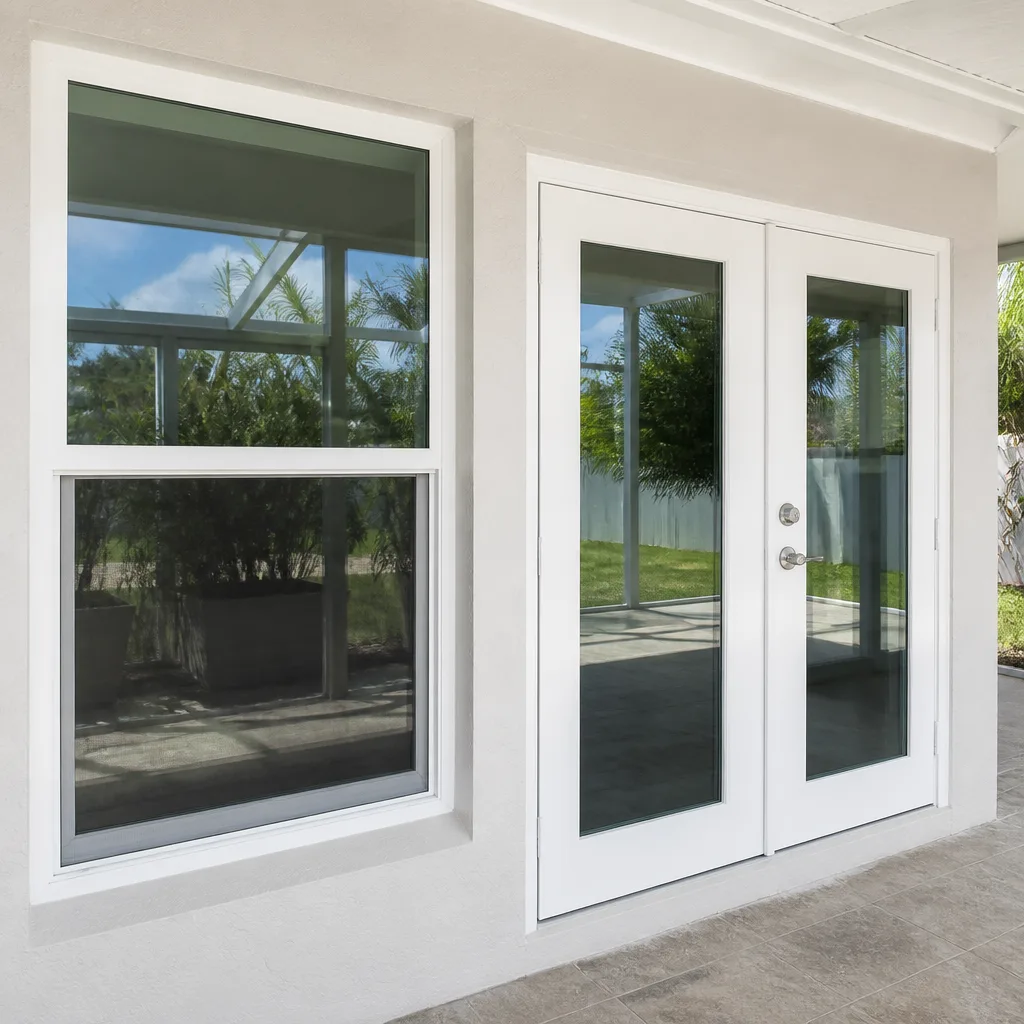 After
AfterHow to Hire a Windows & Doors Contractor in Sunrise: A Step-by-Step Guide
Florida’s contractor licensing database shows license status, insurance, and open complaints in under two minutes - yet most homeowners hiring window contractors in Broward County never look it up before signing. In Sunrise, where every window and door must meet High Velocity Hurricane Zone standards, that two-minute search is often the difference between a permitted installation with a valid warranty and a retrofit that voids your homeowners insurance. This guide walks you through the public records to check, the contract language to demand, and the quote structure that separates a measured survey from a ballpark guess. For more guides & resources on protecting your home, see our blog.
Quick Answer
Hiring a windows and doors contractor in Sunrise requires verifying active state licensure and HVHZ certification on myfloridalicense.com, demanding a written quote with product NOA numbers and separate line items for labor, materials, permits, and disposal, and confirming permit responsibility in writing before any deposit. Never accept a verbal estimate or permit pulled after work begins.
Table of Contents
- Step 1: Verify License, Insurance, and Complaint History
- Step 2: Confirm HVHZ Certification and Product Approvals
- Step 3: Demand a Measured Survey, Not a Ballpark Quote
- Step 4: Read the Quote Line by Line
- Step 5: The Six Clauses Your Contract Needs
- Red Flags Specific to the Sunrise Market
- Common Mistakes to Avoid
- When to Call a Professional
- Frequently Asked Questions
 Before
 After
AfterStep 1: Verify License, Insurance, and Complaint History
Every legitimate windows and doors contractor in Sunrise holds an active Certified Contractor license through the Florida Department of Business and Professional Regulation. The license type you want is either a General Contractor (CGC) or a Specialty Structure Contractor (CSC) with window and door endorsement. Here’s how to verify it yourself.
- Visit myfloridalicense.com and select “Verify a License.”
- Enter the contractor’s name or license number. The license status must read Active, not Delinquent, Pending, or Revoked.
- Click the license number to view the Business Information tab. Confirm the business name matches the name on the quote exactly. A mismatch often signals an unlicensed sub-installer using another company’s credentials.
- Scroll to Insurance and Bond. You should see general liability coverage and workers’ compensation. Note the policy effective dates. If the workers’ comp shows “Exempt,” the contractor has no employees - which means anyone who shows up to install your windows is either uninsured or misclassified.
- Check the Disciplinary Actions and Complaints sections. Even a single open complaint for unpermitted work should pause the conversation.
In our experience across Sunrise neighborhoods from Sawgrass Estates to Welleby, the contractors who resist this verification step are the same ones who later “discover” additional costs mid-project. Haven Clause 3 - Verified Crews - exists because we’ve replaced too many jobs where the person at the door did not match the license on file.
Ask for the contractor’s county registration number as well. Broward County requires all contractors to register annually. You can verify this through the Broward County Contractor Licensing Board. A state license without county registration means the contractor cannot legally pull permits in Sunrise.
One more check: request a certificate of insurance naming you as additional insured for the project duration. This is standard practice for any contractor installing impact-rated products in Broward County. If they hesitate, that hesitation is information.
Step 2: Confirm HVHZ Certification and Product Approvals
Sunrise sits in Miami-Dade County’s High Velocity Hurricane Zone, which means every window and door installed must carry a Notice of Acceptance (NOA) specific to that product and application. An NOA is not a generic “hurricane rated” label. It is a document - available on miamidade.gov/nosa - that specifies exact product dimensions, installation method, fastening pattern, and approved substrates. See our Seasonal Windows & Doors Care for Sunrise: Year-Round Homeowner’s Guide for maintenance steps that preserve NOA compliance.
Here’s what to verify:
- Product NOA number: Every window and door model has a unique NOA number (e.g., NOA 20-0903.04). The quote must list this number for each product. Without it, the building inspector can reject the installation and your insurance company can deny a future claim.
- Installation method: The NOA specifies whether the product installs with nailing fin, block frame, or retrofit method. A contractor who plans to “figure it out on site” is planning to deviate from the approved method.
- Glass package: The NOA lists approved glazing options. In Sunrise’s climate, look for laminated impact glass with a low-E coating. The NOA will specify the exact interlayer thickness and coating type.
We specify products from PGT, CGI, and Therma-Tru by NOA number on every quote. A window installation in Sunrise using a non-NOA product, or an NOA applied to an unapproved wall type, fails inspection. We’ve seen this in Sunrise’s older Welleby subdivisions where block construction with stucco demands different fastening patterns than frame construction with siding.
The Florida Building Code requires HVHZ products for all new installations and most replacements in Broward County. A contractor who suggests “non-impact with shutters” for a full-frame replacement is either uninformed or proposing a code violation. Either way, the permit will not issue.
Ask to see the physical NOA document for your specific products, not a manufacturer’s general catalog. Then cross-reference the NOA number on miamidade.gov/nosa to confirm it is current and has not been superseded.
Step 3: Demand a Measured Survey, Not a Ballpark Quote
This is where most cost overruns originate. A ballpark quote - “probably around $8,000 for the whole house” - has no measured relationship to your actual openings. A measured survey documents every frame dimension, wall type, sill condition, and sightline obstruction. At Sightline, the measured survey and the written quote are the same document. Haven Clause 1: Have it in writing.
A legitimate measured survey includes:
- Opening-by-opening dimensions: Width, height, and depth of each rough opening, measured in three places (top, middle, bottom for width; left, center, right for height).
- Wall construction type: Concrete block with stucco, frame with siding, or mixed. This determines the installation method and fastening pattern.
- Sill and frame condition: Rot, termite damage, or water intrusion documented with photos. In Sunrise’s wet season, we regularly find compromised sills in homes built before 1995.
- Sightline measurements: The visible glass area after frame installation, critical for rooms where window placement affects furniture layout or code-required egress.
- Glazing specifications: U-factor, SHGC (Solar Heat Gain Coefficient), and visible transmittance for each opening’s exposure. East-facing Sunrise bedrooms need different SHGC values than west-facing living rooms.
- Product designation: Manufacturer, series, and NOA number for each opening.
The customer keeps the measured survey. This matters because it becomes the reference document if products arrive incorrectly sized. We’ve corrected jobs in Sunrise’s Sawgrass Mills area where a competitor’s “measurement” was actually a guess based on standard sizes, and the custom geometric windows arrived two inches too narrow.
A ballpark quote becomes a change order factory. The measured survey prevents that. If a contractor will not put opening-specific dimensions and product specifications in writing before requesting a deposit, they are not planning to honor the initial price.
Step 4: Read the Quote Line by Line

A legitimate quote for windows and doors in Sunrise separates every cost category. Lump-sum pricing - “complete installation: $12,500” - conceals markup and prevents comparison. Here’s the structure we use on every job, and what you should demand from any contractor.
| Line Item | What It Covers | Red Flag |
|---|---|---|
| Product | Specific window/door units by manufacturer, series, size, and NOA number | “Or equivalent” language that permits substitution without approval |
| Labor | Removal, installation, trim work, and cleanup per opening | Hourly rates without hour estimates; “time and materials” open-ended pricing |
| Permit & Inspection | Broward County permit fee, inspection scheduling, and final approval | Permit listed as “owner responsibility” or “to be determined” |
| Disposal | Removal and legal disposal of old windows, doors, and debris | Absence entirely; implies debris left on site or dumped illegally |
| Additional Materials | Fasteners, sealants, flashing, and trim specific to the NOA installation method | “Miscellaneous” or “as needed” without quantity limits |
Notice what this structure prevents. If a contractor’s quote lacks a permit line item, they may be planning to skip permitting entirely - common in Sunrise’s unincorporated pockets where enforcement historically lagged. If disposal is absent, your old windows may end up in a vacant lot off Sunset Strip.
The product line must specify manufacturer and series, not just “impact window.” We quote PGT WinGuard or CGI Estate Series by name because the NOA, performance values, and warranty terms differ significantly. A window replacement in Sunrise using generic “impact-rated” language could mean anything from a tested product to a film-applied retrofit that fails inspection.
Ask for the quote in writing, with each line item priced. Then compare quotes by matching line item to line item, not total to total. A lower total with omitted permit fees and “or equivalent” product language is not a lower price. It is a deferred cost, usually discovered after work begins.
Step 5: The Six Clauses Your Contract Needs
Never transfer money without a written contract containing these six clauses. Verbal assurances, even from personable contractors, are not enforceable under Florida’s contractor recovery fund.
- Scope of Work: Exact opening count, product designation by manufacturer and NOA number, installation method, and completion criteria. “Install new windows” is not a scope. “Remove and replace twelve window units with PGT WinGuard aluminum single-hung, NOA 18-0421.06, using nailing-fin installation per NOA section 4.2” is a scope.
- Product NOA Number: Each product identified by its Miami-Dade NOA number. This prevents the “equivalent product” substitution that drops your installation from code-compliant to uninsurable.
- Permit Responsibility: Explicit statement that the contractor pulls all required permits before work begins, schedules inspections, and obtains final approval. In Sunrise, this includes Broward County building permit and potentially HOA architectural review if your neighborhood has active covenants.
- Payment Schedule: Specific amounts tied to verifiable milestones - typically deposit at contract, progress payment at delivery, final payment after final inspection and documented photo record. Never pay in full before final inspection. Florida law limits deposits to 10% or $1,000, whichever is less, for home improvement contracts.
- Photo Documentation: Requirement that the contractor photographs pre-existing conditions, installation progress, and completed work. This is not an upsell. It is evidence that protects both parties if water intrusion or structural issues emerge later. Haven Clause 4: Evidence on every job.
- Warranty Assignment: Clear statement of workmanship warranty duration and scope, plus manufacturer warranty registration. Our 365-Day Done Right Promise is written into the Haven Standard, not offered as a courtesy - but whatever warranty your contractor offers, it must be in writing with specific remedies.
Read the contract’s dispute resolution clause. Some Sunrise-area contractors include binding arbitration requirements that waive your right to file a complaint with the Florida Construction Industry Licensing Board. This is not standard practice and should be negotiable.
We provide the measured survey, written scope, and contract as a single document set before any deposit request. The customer initials each page. This prevents the “I didn’t agree to that” conversation that derails too many door installations in Sunrise and across Broward County.
Red Flags Specific to the Sunrise Market
Sunrise’s housing stock - ranging from 1970s Welleby ranch homes to 2000s Sawgrass Mills-area townhomes to newer construction near the FLA Live Arena - attracts contractors with varying legitimacy. These red flags appear repeatedly in complaints filed with the Broward County Contractor Licensing Board.
Unlicensed sub-installers. A licensed contractor signs your contract, then sends an unlicensed crew without the license holder ever visiting the site. Verify this will not happen: ask if the license holder personally inspects each job, and require that inspection in writing.
Verbal product substitutions. “The PGT is back-ordered, so we’re using the same thing from another manufacturer.” In HVHZ work, there is no “same thing.” Every product has a unique NOA. A substitution without updated permit documents is an unpermitted installation.
Permits pulled after work begins. In Florida, work without a permit is a code violation that can trigger fines and require removal. Some contractors start demolition, then “discover” permit needs and bill you for the rush. The permit must be posted before any removal begins.
Pressure for full upfront payment. Florida’s Homeowner Recovery Fund exists because contractors took deposits and disappeared. In Sunrise’s competitive market, legitimate contractors do not demand full payment before delivery. Our structure: minimal deposit, progress payment, final payment after inspection and photo documentation.
Missing disposal documentation. Old windows and doors contain regulated materials. A contractor who cannot tell you where debris goes - by name of licensed disposal facility - may be dumping illegally. This liability can return to the homeowner.
Generic “impact-rated” claims without NOA. In Sunrise’s HVHZ zone, “impact-rated” on a brochure means nothing without a current Miami-Dade NOA. We’ve replaced failed installations in Sunrise where the product was “rated for Florida” but not approved for Broward County’s specific wind-borne debris requirements.
Common Mistakes to Avoid
- Comparing total prices without matching scopes. One quote at $11,000 with PGT WinGuard and permit included beats a $9,500 quote with “or equivalent” language and permit excluded. The lower number is not comparable until you normalize for product, method, and compliance.
- Skipping the license check because the contractor “seems professional.” Professional presentation and active licensure are independent variables. The DBPR database takes two minutes. Use it.
- Accepting verbal promises about timing. “We’ll pull the permit next week” is not a schedule. The contract should specify permit application date, inspection scheduling, and completion deadline with remedies for delay.
- Ignoring wall type in product selection. Sunrise’s older block homes need different installation methods than frame construction. A product perfect for a Sawgrass Isles remodel may be unapproved for your Welleby block walls. The measured survey catches this; a phone estimate cannot.
- Neglecting HOA requirements. Many Sunrise neighborhoods, including portions of Welleby and Sawgrass, have active HOAs with architectural review boards. Permit approval from Broward County does not override HOA covenant violations. Check your declarations before signing.
- Assuming all impact windows are equal. U-factor and SHGC values vary significantly between manufacturers and series. A west-facing living room in Sunrise needs lower SHGC than a north-facing bedroom. Product selection by opening, not by house, optimizes comfort and energy cost.
When to Call a Professional
Call a licensed windows and doors contractor when you notice frame rot, fogging between glass panes, difficulty operating sashes, or water intrusion around openings. In Sunrise’s climate, these symptoms progress faster than in drier regions - humidity accelerates frame degradation, and salt air corrodes hardware on east-facing elevations.
Also call before any insurance inspection or home sale. Unpermitted window replacements discovered during a 4-point inspection can delay closing or trigger coverage exclusions. We’ve documented retroactive permitting in Sunrise where the previous owner’s unpermitted installation required full removal and replacement to satisfy the buyer’s lender.
Sightline Windows & Doors Sunrise offers free estimates in Sunrise - call (754) 254-5294. Every estimate includes a measured survey you keep, written pricing by line item, and product specification by NOA number. We also provide free second opinions on any written estimate from another contractor.
Frequently Asked Questions
Window replacement in Sunrise typically ranges from $650 to $1,400 per opening for impact-rated products installed to HVHZ standards, with variation based on size, wall type, and glass package. For detailed pricing factors, see our Windows & Doors Cost Breakdown: The Sunrise Homeowner’s Reference for 2026. A typical 12-opening home runs $8,500 to $16,000 including permit, installation, and disposal. Call (754) 254-5294 for an exact quote - estimates are free, and we review competitor quotes at no charge.
Yes. Broward County requires permits for all window and door replacements in Sunrise, with inspections for rough opening, installation, and final approval. Work without a permit is a code violation that voids manufacturer warranties and can trigger insurance coverage disputes. Your contract should explicitly assign permit responsibility to the contractor, with application before any work begins.
Verify any Florida contractor at myfloridalicense.com by name or license number. Confirm Active status, matching business name, current general liability and workers’ compensation insurance, and no open disciplinary actions. Then verify Broward County registration through the county contractor licensing board. Both checks take under five minutes and are the most important steps in hiring.
NOA stands for Notice of Acceptance, a Miami-Dade County document that approves a specific window or door product for High Velocity Hurricane Zone installation. The NOA number identifies exact product dimensions, installation method, and approved applications. Without a current NOA, your installation fails inspection and your insurance company may deny claims for wind damage.
With a proper measured survey and fixed-price contract, the price should not change. Price changes indicate either an incomplete initial survey or deliberate underbidding. At Sightline, the measured survey and written quote are the same document - Haven Clause 1 and Haven Clause 5 (No surprises). If a contractor cites “unforeseen conditions” routinely, their survey process is inadequate.
A typical full-home replacement of 12-15 openings requires 2-3 days of installation after permit approval and product delivery, plus inspection scheduling. Single-opening replacements often complete in one day. Timeline varies with product availability, wall type, and Broward County inspection scheduling. Your contract should specify start date and completion deadline, not vague duration estimates.
The Bottom Line
Hiring a windows and doors contractor in Sunrise is a process of verification, not persuasion. Check the license. Confirm the NOA. Demand a measured survey with opening-specific dimensions. Read the quote line by line. Insist on six contract clauses before any deposit. These steps take approximately one hour total and separate legitimate contractors from the operators who generate most Broward County complaints. The contractor who resists documentation is telling you something important. The one who provides it without request has already done this work correctly, many times.
Written by Sonia Raman, Owner at Sightline Windows & Doors Sunrise, serving Sunrise since 2012.