
Last updated September 24, 2026
Free in-home measure and quote - PGT, CGI and CWS impact lines compared on your actual openings, style by style
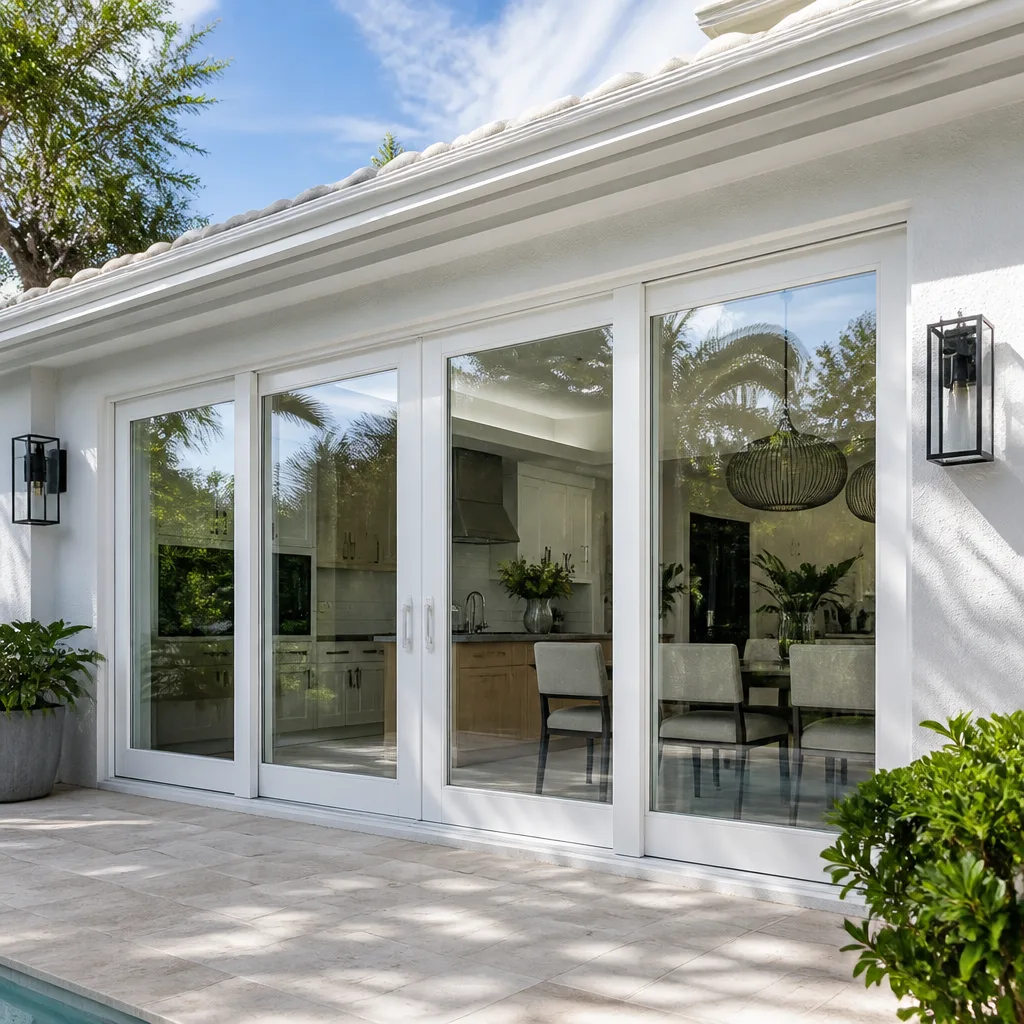
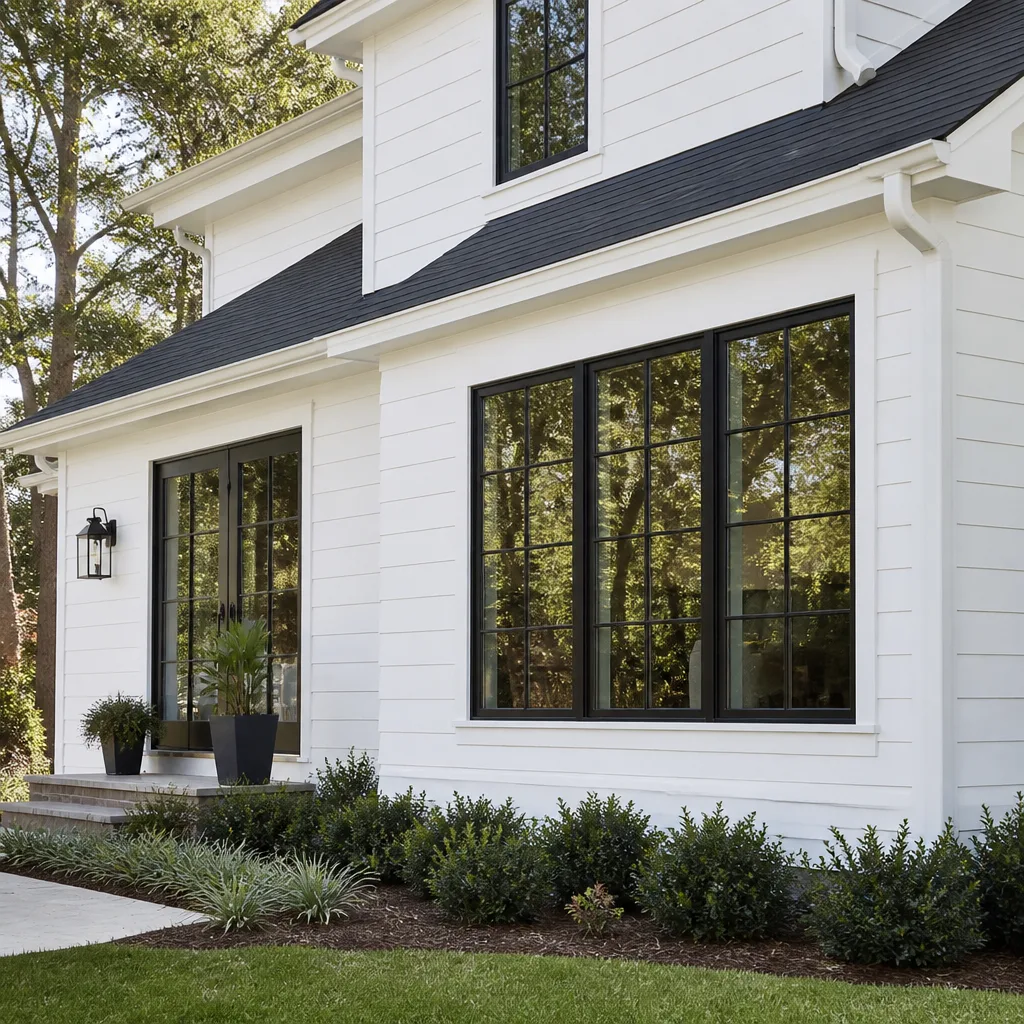
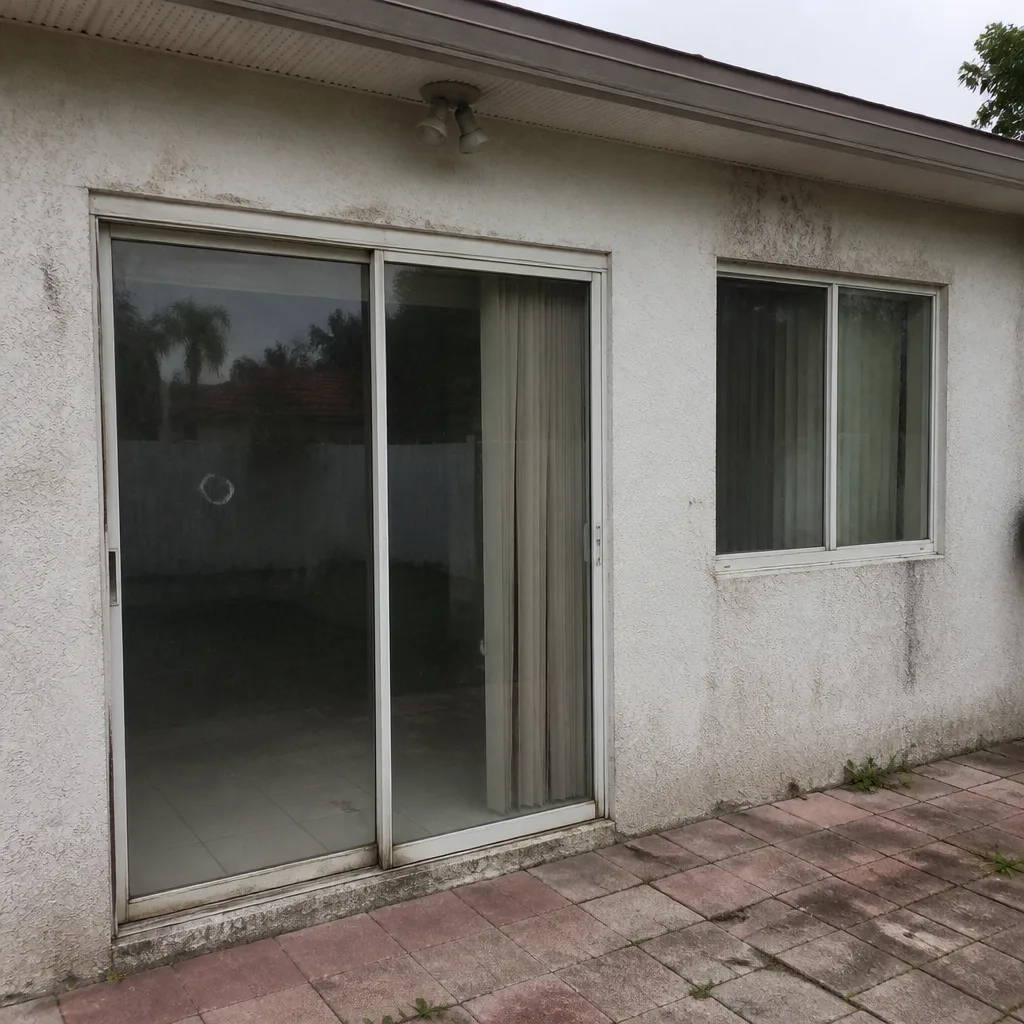 Before
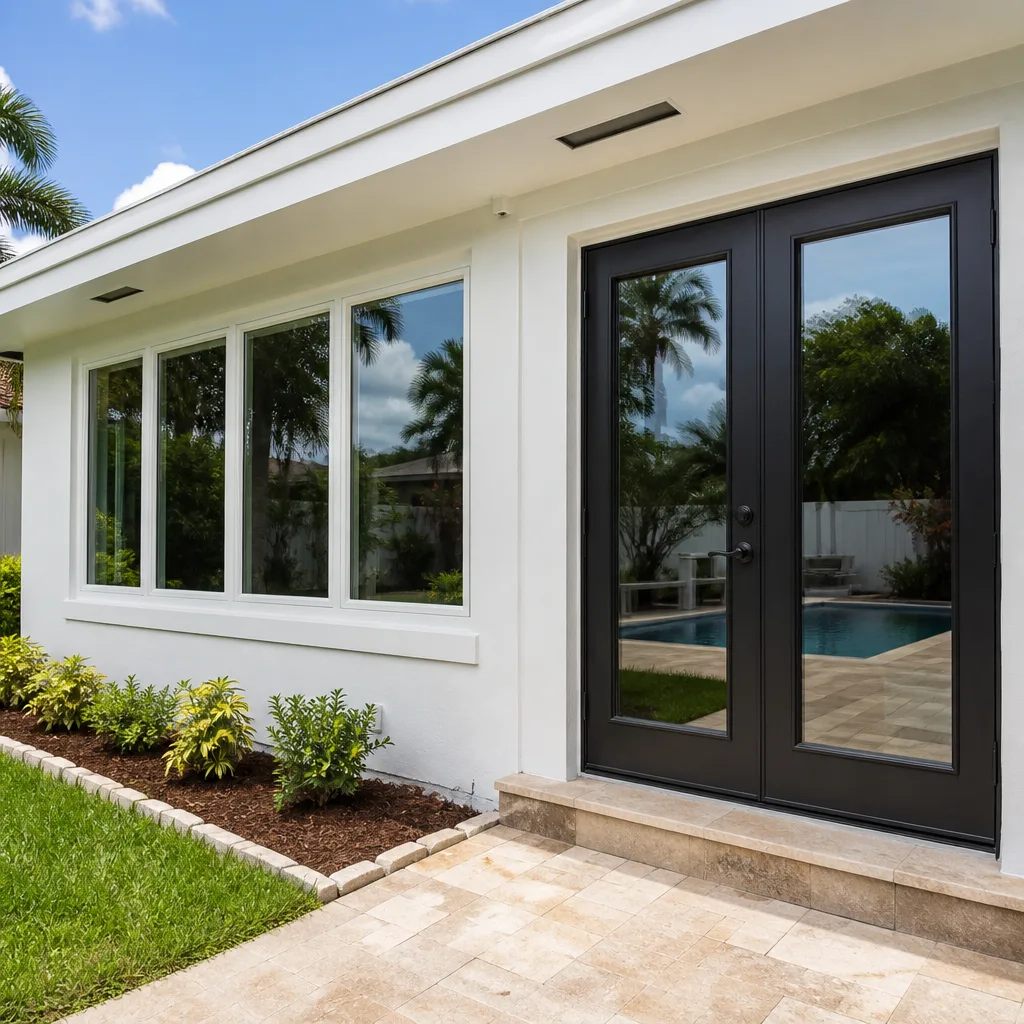 After
After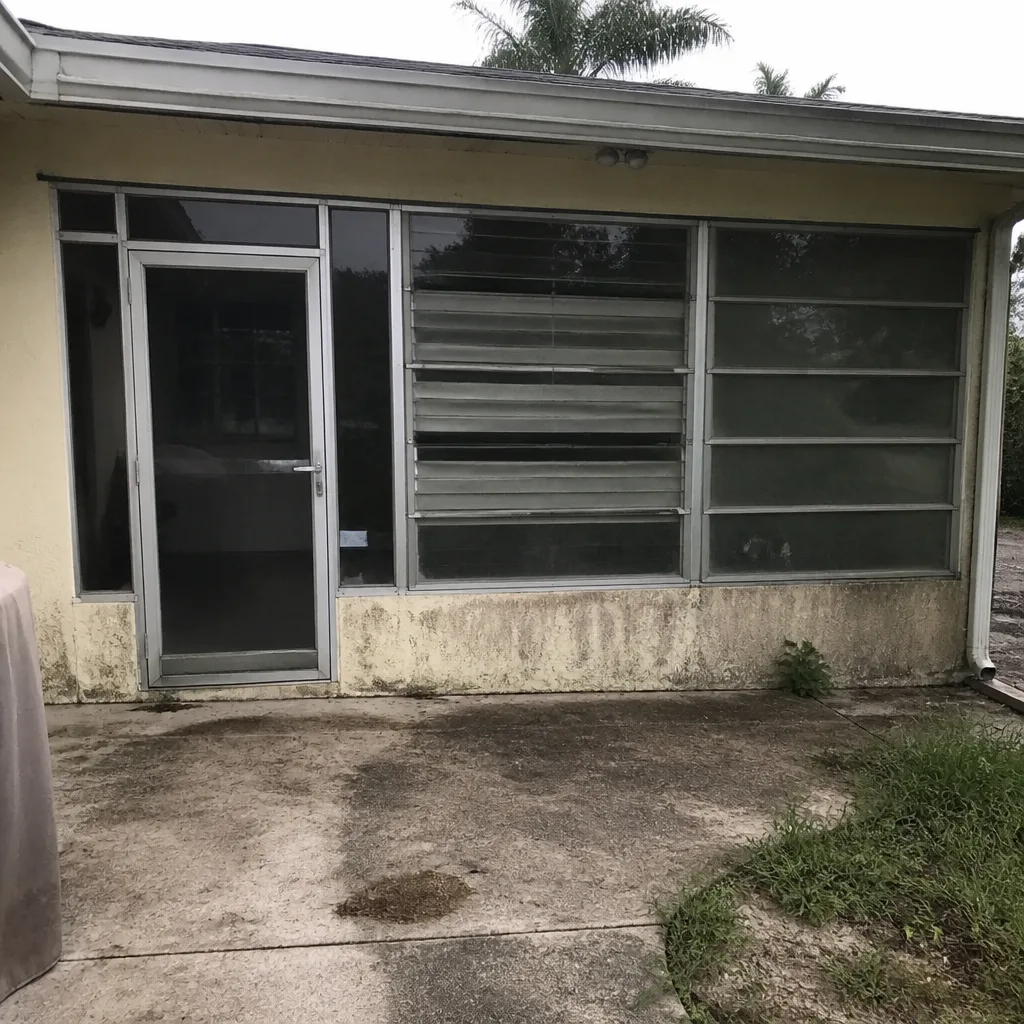 Before
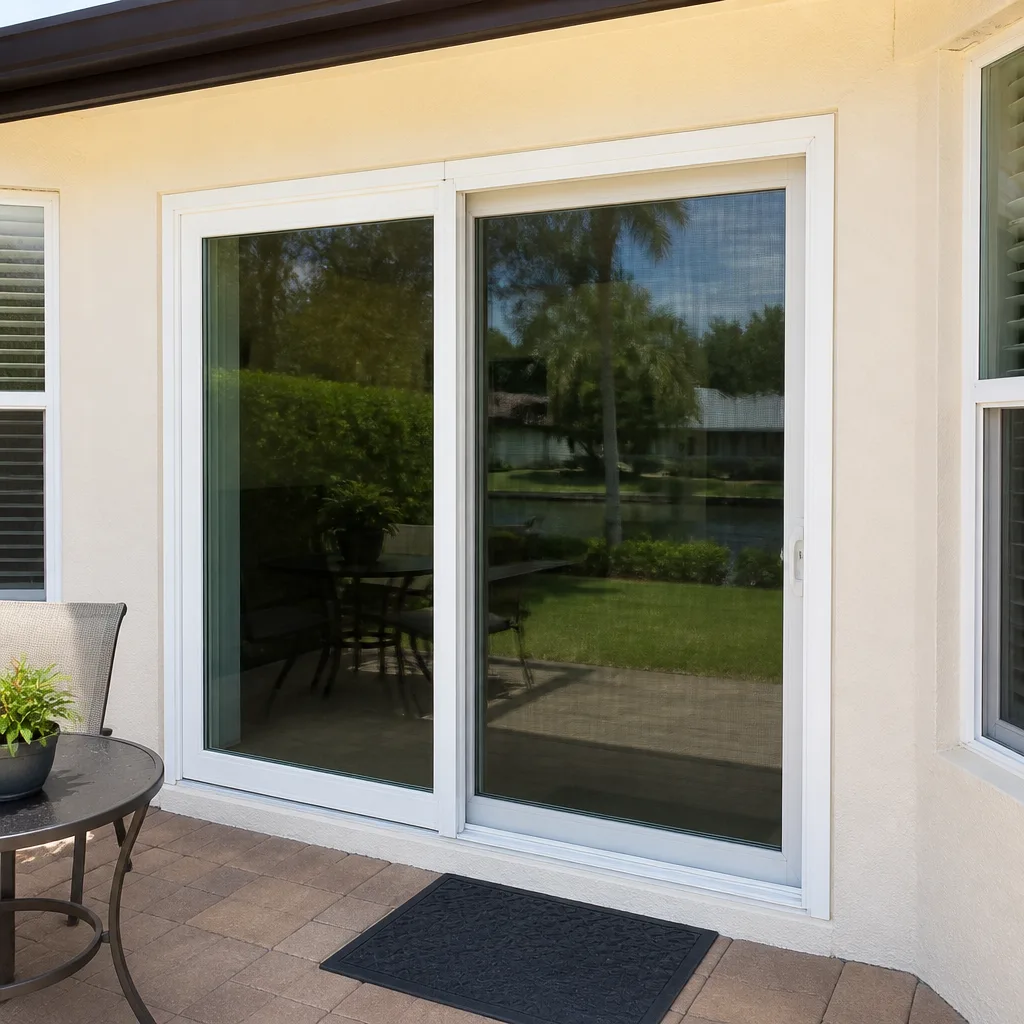 After
After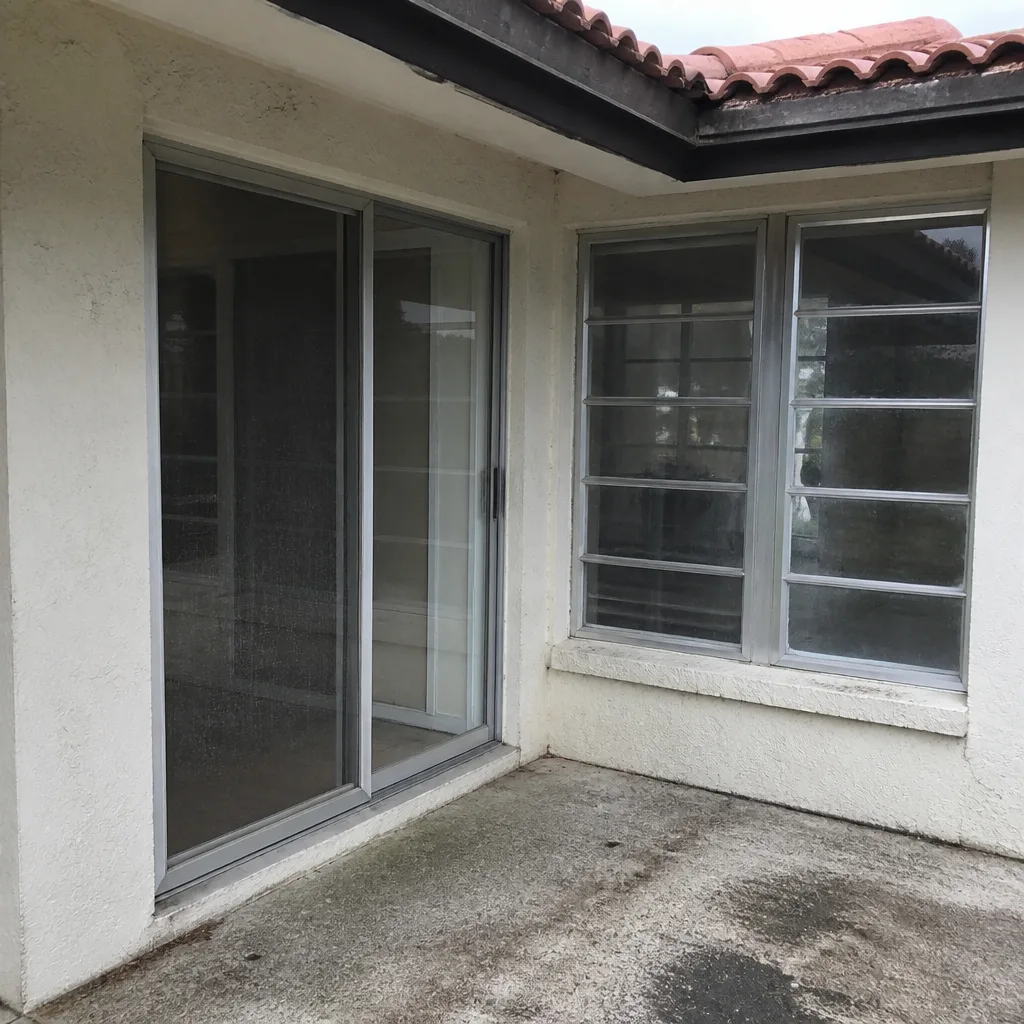 Before
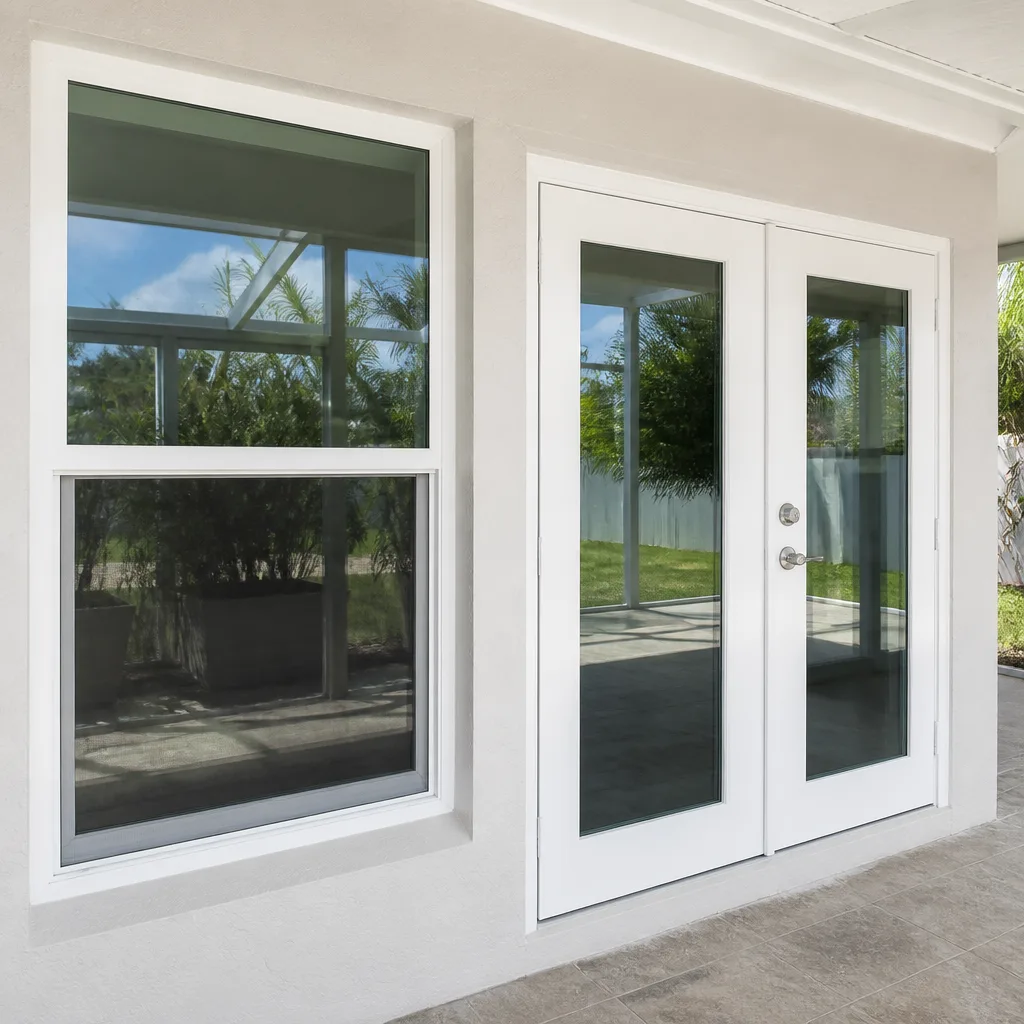 After
AfterDIY vs Professional Windows & Doors: The Sunrise Homeowner’s Decision Guide
Florida’s owner-builder exemption allows a homeowner to pull their own permit and install their own windows - but it also requires them to sign a disclosure acknowledging they cannot hire unlicensed workers, must personally supervise all work, and may not sell the home within one year without disclosing the owner-built work to the buyer. In Sunrise’s High-Velocity Hurricane Zone, that exemption runs headfirst into the Florida Building Code’s Notice of Acceptance requirements for impact-rated products, where anchoring patterns and substrate specifications are engineering documents with no tolerance for interpretation. This guide maps exactly where the legal line sits, what the hidden costs look like, and how to decide whether to pick up the permit yourself or hand it to a licensed contractor who carries the compliance burden start to finish. For a deeper look at the selection process, see our How to Hire a Windows & Doors Contractor in Sunrise: A Step-by-Step Guide.
Quick Answer
Most Sunrise homeowners find that DIY window installation is technically possible for non-impact replacement windows in interior rooms, but legally and practically unworkable for exterior impact-rated products due to owner-builder permit requirements, mandatory NOA compliance, and inspection liability. For the typical Sunrise home built 1985-2010, professional installation covers permit pulling, inspection coordination, documented photo records, and warranty assignment that a DIY install cannot replicate - with total project costs often landing within 15% of a DIY attempt once permit fees, re-inspection costs, and tool rentals are accounted for.
Table of Contents
- Florida’s Owner-Builder Exemption: What It Actually Permits
- The NOA Problem: Why Impact Windows Aren’t a DIY Product
- Task-by-Task Feasibility: What a Skilled DIYer Can Actually Do
- Hidden Costs of DIY: Permits, Inspections, and Failed Re-Inspections
- What Professional Installation Buys Beyond Labor
- Sunrise-Specific Considerations: Climate, Code, and Market Realities
- A Decision Framework for Sunrise Homeowners
- Common Mistakes to Avoid
- When to Call a Professional
- Frequently Asked Questions
- The Bottom Line
 Before
 After
AfterFlorida’s Owner-Builder Exemption: What It Actually Permits
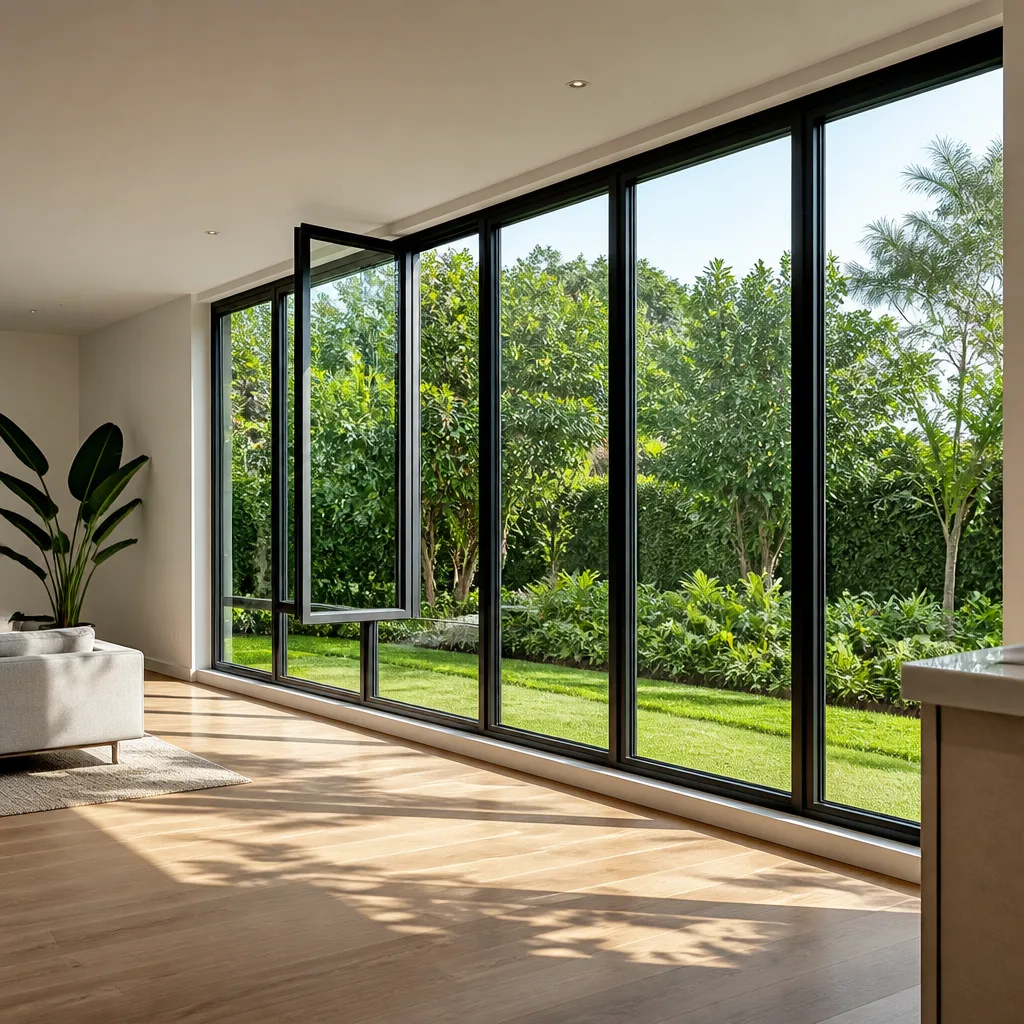
The owner-builder exemption in Florida Statute 489.103(7) lets a homeowner act as their own general contractor on their primary residence. On paper, this means you can pull a permit, buy materials, and install your own windows and doors without hiring a licensed contractor. What the statute actually requires, and what most online DIY guides omit, is where the practical burden begins.
First, the disclosure form. When you pull an owner-builder permit in Broward County, you sign a sworn affidavit stating that you will personally supervise all work, that you understand workers’ compensation and liability insurance requirements for anyone you hire, and that you cannot employ unlicensed persons to perform work requiring a license. In Sunrise, this means you can handle the installation yourself, but the moment you bring in someone to help with structural framing, electrical work on integrated door systems, or stucco repair after the opening is modified, that person must carry the appropriate Florida license or be your direct employee with proper coverage.
The one-year resale disclosure is the clause that stops most Sunrise homeowners cold. If you sell within twelve months of completing owner-builder work, you must disclose that fact to the buyer, who then inherits any unresolved code violations or permit closeout issues. In Sunrise’s active resale market, where homes in neighborhoods like Sawgrass Estates and Sunrise Golf Village turn over regularly, this creates a title complication that can delay closing or trigger buyer concessions.
There is also the insurance dimension. Your homeowner’s policy may not cover water intrusion or wind damage traced to owner-installed windows if the installation cannot demonstrate compliance with the manufacturer’s published installation instructions. In our experience reviewing competitor installations across Sunrise, this gap between “installed” and “compliant” is where most DIY projects founder.
The exemption is a legal pathway, not a practical shortcut. For a simple interior door replacement with no structural modification, it functions smoothly. For exterior window replacement in an HVHZ, the compliance layers stack quickly.
The NOA Problem: Why Impact Windows Aren’t a DIY Product
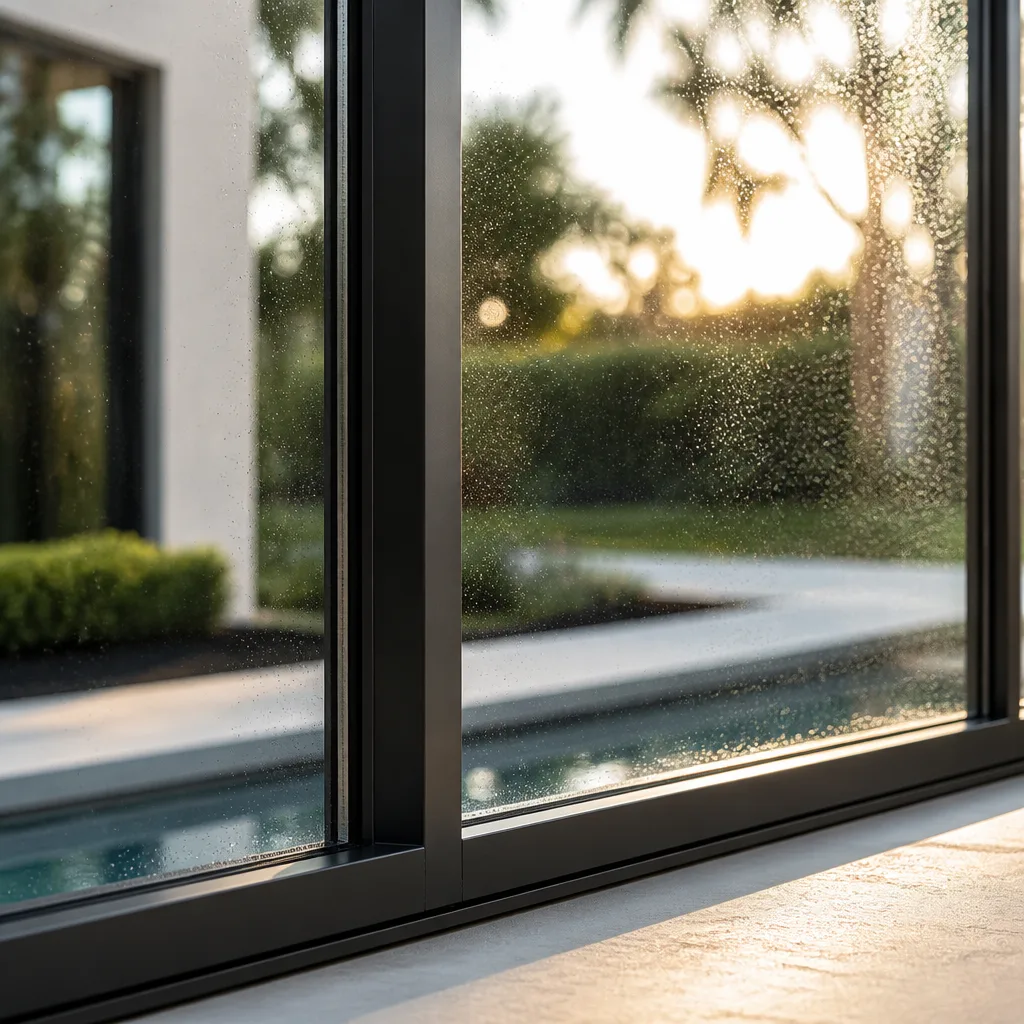
Every impact-rated window and door installed in Sunrise must carry a Florida Product Approval or Miami-Dade County Notice of Acceptance. The NOA is not a product brochure. It is an engineering document that specifies exact anchoring patterns, fastener types, substrate preparation, and sealant requirements for that specific product in that specific application.
Here is what this means in practice. A PGT WinGuard vinyl window has an NOA that specifies:
- Fastener diameter, length, and embedment depth into concrete, wood, or steel framing
- Maximum and minimum spacing between fasteners at the jambs, head, and sill
- Required substrate thickness and compression strength
- Approved sealant backer rod and joint dimensions
- Integration with water-resistive barriers and flashing systems
Deviation from any of these specifications voids the product approval. Not the warranty - the approval. An inspector who finds fasteners spaced at 8 inches where the NOA requires 6 inches can fail the installation. A windstorm inspector performing a post-installation verification for your wind mitigation report can flag the deviation, which affects your insurance discount. And if the product fails in a named storm, the manufacturer has no liability for an installation that did not follow the NOA.
The NOA documents are public, available through the Florida Building Commission website. Reading one requires comfort with engineering notation, fastener torque specifications, and substrate compression tables. In our measured surveys across Sunrise, we regularly find that the existing framing does not match the NOA’s assumed substrate - a 1970s CBS block wall with corroded rebar does not present the same anchoring surface as new construction, and the NOA does not contain a “close enough” clause.
For non-impact windows, the compliance burden is lighter. A standard vinyl replacement window in a bedroom interior wall still requires permit and inspection, but the installation instructions are simpler and the inspection criteria are visual and operational rather than engineered. The DIY feasibility line sits between these two product categories, and in Sunrise, most exterior openings require impact rating.
Task-by-Task Feasibility: What a Skilled DIYer Can Actually Do
Not every task in a window or door project carries the same technical or legal weight. We break this down by what Florida statute and the Florida Building Code actually require, versus what a competent homeowner with standard tools can perform.
Tasks a Skilled DIYer Can Typically Perform Without License Issues
- Interior door replacement - Swapping a pre-hung interior door within an existing rough opening, with no structural modification, does not require a licensed contractor under most municipal interpretations. The permit is still required in Sunrise, but the inspection is straightforward.
- Interior window replacement in non-bearing walls - Replacing a standard vinyl window in a gable-end bedroom where no impact rating is required. The DIYer must still pull the permit and schedule inspection.
- Trim and finish carpentry - Interior casing, extension jambs, and sill extensions after the window is installed and inspected. This is cosmetic work with no code compliance dimension.
- Demolition of existing units - Removing the old window or door, provided no structural support is compromised. Most homeowners can handle this with pry bars and reciprocating saws, though lead paint testing is required on pre-1978 homes.
Tasks Requiring Licensed Trade Work Under Florida Statute
- Structural modification of openings - Widening a window opening, converting a window to a door, or modifying headers requires a licensed contractor and often an engineer’s letter. This is not owner-builder work.
- Stucco and exterior cladding repair - In Sunrise, exterior work on CBS construction requires proper lath, moisture barrier, and weep screed installation per FBC R703.6. Unlicensed stucco work is a common violation.
- Integrated electrical in door systems - Multi-point locking systems, smart door hardware, and integrated lighting require a licensed electrician.
- Impact window and door installation - While legally possible under owner-builder, the NOA compliance burden makes this functionally a licensed contractor’s domain. The inspection failure rate for owner-builder impact installations in Broward County runs higher than contractor-performed work, based on our review of permit records.
The critical distinction is between “can do” and “can prove.” A skilled DIYer can physically install an impact window. Proving that installation matches the NOA fastener pattern, substrate preparation, and sealant specification is a documentation task that most homeowners have not performed before.
Hidden Costs of DIY: Permits, Inspections, and Failed Re-Inspections

The advertised cost of a DIY window replacement - materials plus your time - omits several line items that appear only after the project starts. In Sunrise, we see these most often.
Permit fees. Broward County’s building permit fee schedule for window and door replacement runs on a valuation basis. For a typical single-family home replacing eight windows, the permit fee including plan review and inspection allocation falls in the $400-$700 range. Owner-builder permits carry the same fee as contractor permits. The fee is not waived because you are doing the work yourself.
Inspection scheduling and re-inspection. Broward County Building Code Division schedules rough and final inspections for window and door work. The first inspection is included in the permit fee. A failed inspection triggers a re-inspection fee, currently $75-$150 depending on inspection type. In our experience, the most common failure points for DIY installations are:
- Improper fastener spacing or type relative to the NOA
- Missing or incomplete flashing integration with the water-resistive barrier
- Sealant joint dimensions outside the NOA specification
- Damage to the window frame during installation that affects operation
A single failed inspection adds the re-inspection fee plus the cost of correction labor. If you have already returned your tool rental, that is another trip. If the correction requires removing and reinstalling the window, you have doubled your material risk - impact-rated glass cannot be re-cut in the field, and a scratched or cracked unit is a full replacement.
Tool and equipment rental. Proper installation of large format sliding glass doors, common in Sunrise homes from the 1990s and 2000s, requires suction cup lifts, level-setting shims, and often temporary support framing. A weekend rental of glass handling equipment runs $200-$400. This is not equipment most homeowners own.
Wind mitigation inspection. After installation, you will want a wind mitigation report for your insurance carrier. A licensed inspector charges $75-$150 for this service. If the installation cannot demonstrate NOA compliance, the impact-rated protection discount may be denied, which affects your annual premium for as long as you own the home.
When we price professional installation against a fully loaded DIY cost estimate for a typical Sunrise home, the gap narrows to 10-20% in many cases. The professional quote includes permit, inspection coordination, documented photo record, and warranty assignment. The DIY estimate rarely accounts for all of these until they appear as line items.
What Professional Installation Buys Beyond Labor
The difference between hiring Sightline Windows & Doors Sunrise and performing owner-builder work is not primarily the physical installation. It is the transfer of compliance risk and documentation burden from the homeowner to the contractor.
Permit responsibility. We pull the permit, coordinate plan review, and schedule all inspections. If an inspector has a question, we answer it. If a correction is required, we perform it. The homeowner’s involvement is providing access, not managing the process.
NOA verification and product specification. Our measured survey documents the existing opening dimensions, substrate condition, and structural context. We then specify the product from our verified manufacturer lines - PGT, CGI, CWS, ES Windows, ECO Window Systems, Mr-Glass, Therma-Tru, or ViewLux - based on what the opening requires, not what is in stock. The NOA for the specified product is matched to the substrate before ordering.
Documented photo record. Haven Clause 4, Evidence on Every Job, requires a photo record of substrate condition, fastener placement, sealant application, and final operation. The customer receives this documentation. In a future insurance claim or resale inspection, this evidence travels with the installation. For a complete breakdown of what to track, review our Window Installation Maintenance Checklist for Sunrise Homeowners.
Warranty assignment. Manufacturer warranties on impact windows require installation by a licensed contractor following the published instructions. A DIY install typically voids the manufacturer’s warranty, leaving only the product itself covered - and then only if the failure is not installation-related. Our installations carry the 365-Day Done Right Promise under the Haven Standard: if it’s not done right, we make it right.
Written price before any work starts. Haven Clause 1 requires that the measured survey and the written quote be the same document. The price you receive before any work starts is the price on the final invoice. There is no change order for “unforeseen conditions” that were visible at the time of survey.
For homeowners who value documentation over discount, this package is the reason to hire professionally. The question is not whether you can install a window. It is whether you want to carry the compliance burden for the next decade. For ongoing upkeep guidance, explore our Seasonal Windows & Doors Care for Sunrise: Year-Round Homeowner’s Guide.
Sunrise-Specific Considerations: Climate, Code, and Market Realities
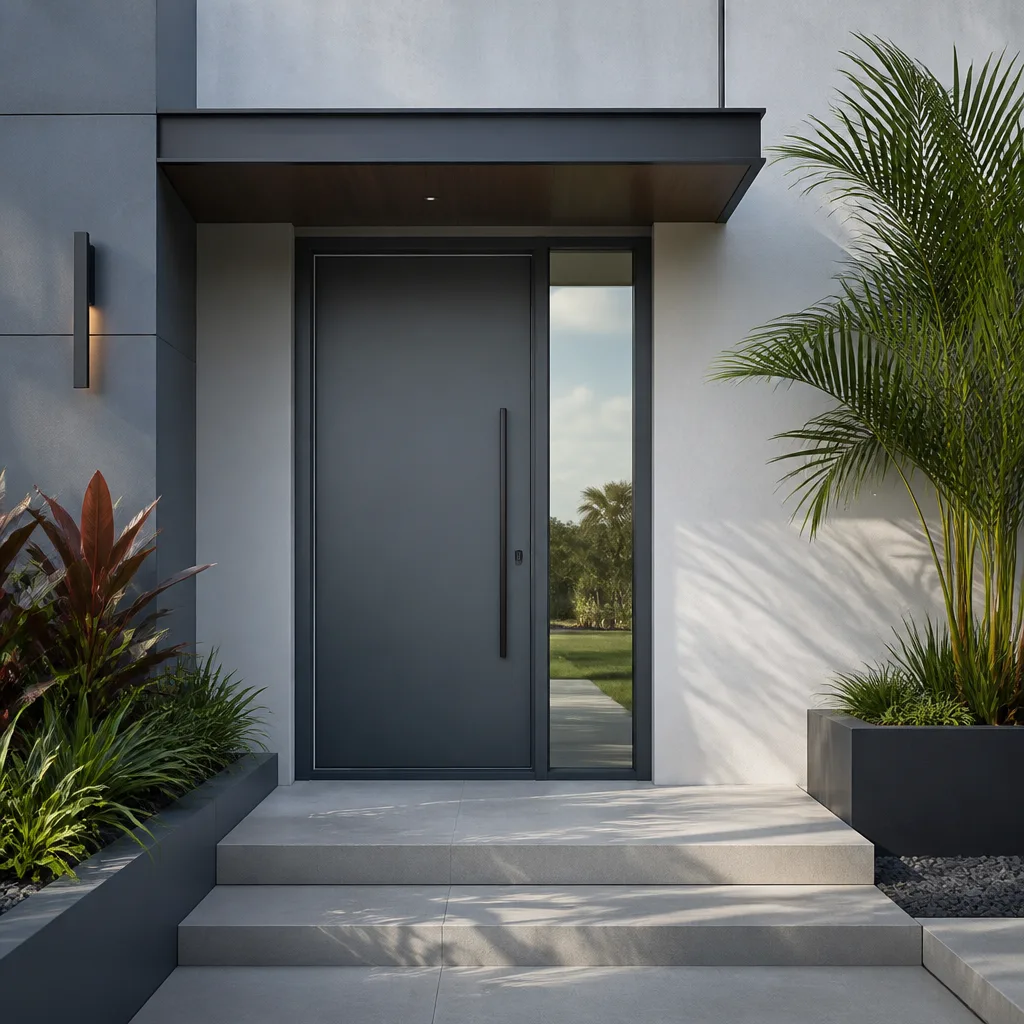
Sunrise sits in Broward County’s High-Velocity Hurricane Zone, where the design wind speed is 175 mph in the most recent Florida Building Code cycle. This is not a theoretical number. It is the wind speed that the code requires every exterior window and door to withstand, and it is why impact-rated products are mandatory for most replacements.
The housing stock in Sunrise presents specific challenges. Homes built between 1970 and 1995, common in neighborhoods like Welleby and Sunrise Golf Village, often have original aluminum single-pane windows with integrated jalousies. These openings were not designed for modern impact-rated units. The rough opening dimensions, the substrate condition, and the wall thickness all differ from current construction standards. A measured survey in these homes frequently reveals that the NOA-specified fastener embedment cannot be achieved without structural modification - which triggers the licensed contractor requirement.
Newer construction, particularly in developments like Sawgrass Lakes and the areas west of the Sawgrass Expressway, was built to post-Andrew standards. The openings are closer to current specifications, and replacement is more straightforward. Even here, however, the NOA compliance burden remains. A 2005 home with PGT original windows replacing with current PGT products still requires verification that the new NOA matches the existing substrate.
The climate factor beyond hurricanes is solar heat gain. Sunrise’s latitude and exposure mean that east- and west-facing windows absorb significant thermal load. Professional specification includes SHGC and U-factor analysis that most homeowners do not perform. A DIY installation that meets code for impact resistance may still perform poorly for energy efficiency if the glazing specification is not matched to orientation.
Finally, the resale market. Sunrise homes turn over regularly, and buyers in this market research permits and inspections. An owner-builder installation with incomplete documentation becomes a negotiating point. A professional installation with permit closure, inspection pass, and documented photo record does not.
A Decision Framework for Sunrise Homeowners
Use this sequence to decide whether DIY or professional installation fits your specific project. You can also browse more guides & resources for additional homeowner support.
- Identify the product category. Is this an impact-rated exterior product or a standard interior unit? If impact-rated, proceed to step 2. If standard interior, DIY is legally and technically feasible with permit.
- Assess the substrate condition. Is the existing framing new construction standard, or older CBS with potential corrosion, wood rot, or dimensional variance? If the substrate is not obviously compliant with a standard NOA, professional assessment is warranted.
- Determine your documentation capacity. Are you prepared to maintain the NOA, installation photographs, permit records, and inspection passes for the duration of home ownership? If not, professional installation transfers this burden.
- Calculate fully loaded DIY cost. Include permit, inspection, re-inspection risk, tool rental, wind mitigation inspection, and your time at a realistic hourly value. Compare to a written professional quote that includes these items.
- Evaluate resale timeline. Do you plan to sell within five years? If so, the documentation and warranty transferability of professional installation has measurable value.
- Request a free second opinion. Sightline Windows & Doors Sunrise home offers a free review of any competitor’s written estimate. Bring us your DIY cost estimate or a contractor’s quote, and we will review the scope, specification, and pricing at no charge.
This framework prioritizes information over impulse. The correct answer varies by project, but it should be reached deliberately, not by default.
Common Mistakes to Avoid
- Assuming the big-box associate’s advice substitutes for the NOA. Retail staff can describe product features. They cannot verify that your specific substrate matches the engineering document. The NOA is the authority, not the shelf tag.
- Skipping the permit to save time. Unpermitted window replacement in Sunrise is discoverable through satellite imagery comparison and permit history gaps. It complicates resale, voids insurance coverage for related damage, and exposes you to municipal enforcement.
- Hiring unlicensed day labor for “assistance.” Florida’s owner-builder exemption explicitly prohibits hiring unlicensed workers for work requiring a license. If your helper is not your direct employee with proper coverage, you are out of compliance.
- Installing impact windows without verifying the NOA fastener pattern for your substrate type. The same window model has different anchoring requirements for wood frame, CBS block, and steel stud. Using the wrong pattern is an automatic inspection failure.
- Neglecting the wind mitigation inspection after DIY installation. Without this inspection, your insurance carrier will not apply the impact protection discount. The cost of the inspection is minor compared to years of higher premiums.
- Assuming all windows in a single home use the same specification. In Sunrise, a home with mixed construction phases or additions may have different substrate conditions from room to room. Each opening requires individual verification.
- Treating the 365-day resale disclosure as a minor formality. In Sunrise’s active market, this disclosure triggers buyer scrutiny and can delay closing. It is not a footnote.
When to Call a Professional
Call a licensed contractor when the project involves impact-rated products, structural modification, or any opening where the substrate condition is uncertain. Call when you need the permit pulled, inspections coordinated, and documentation maintained without your direct management. Call when the cost of a failed inspection - in dollars, time, and material risk - exceeds the premium of professional installation. Window Installation in Sunrise and Door Installation in Sunrise through Sightline Windows & Doors Sunrise includes the measured survey you keep, the written price before any work starts, and the documented photo record on every job. We are independently owned and operated under the Haven Standard, and we offer free estimates in Sunrise. Call (754) 254-5294 to schedule yours.
Frequently Asked Questions
Yes, under Florida’s owner-builder exemption, but you must pull a permit, personally supervise all work, comply with the Florida Building Code including NOA specifications for impact-rated products, and sign a disclosure that limits your ability to hire unlicensed help and requires one-year resale disclosure. Call (754) 254-5294 for an exact quote on professional installation - estimates are free.
Professional installation for a typical Sunrise home with 8-10 impact windows ranges from $8,500-$14,000 including product, permit, and installation, while a fully loaded DIY attempt with comparable materials, permit fees, tool rental, and risk-adjusted re-inspection costs often lands at $7,000-$11,000. The narrower gap than most homeowners expect comes from permit and inspection costs that apply equally, plus the material risk of damaging field-ordered impact glass. Call (754) 254-5294 for a written quote on your specific openings - estimates are free.
Your homeowner’s policy may deny claims for water intrusion or wind damage traced to installation that cannot demonstrate compliance with the manufacturer’s published instructions and NOA specifications. Professional installation with documented photo record and permit closure provides the evidence chain that supports coverage. Call (754) 254-5294 to discuss documentation standards - estimates are free.
Yes, to receive insurance discounts for impact-rated protection, you need a licensed wind mitigation inspector to verify the installation. The inspection costs $75-$150 in the Sunrise market. Professional installation includes coordination of this inspection; DIY installation requires you to schedule and pass it independently. Call (754) 254-5294 for an estimate that includes inspection coordination - estimates are free.
You pay a re-inspection fee of $75-$150, correct the deficiency, and reschedule. Common failures include fastener spacing, flashing integration, and sealant dimensions. If correction requires removing the window, you risk damaging the unit and ordering replacement glass. Professional installation includes correction without additional charge under the 365-Day Done Right Promise. Call (754) 254-5294 for a quote with guaranteed compliance - estimates are free.
This is often the most practical hybrid approach. Standard interior or non-impact windows in non-bearing walls are within the technical and legal capacity of most skilled homeowners. Impact doors, with their multi-point locking systems, structural anchoring requirements, and integration with threshold drainage, benefit from professional installation. Window Replacement in Sunrise through Sightline can be scoped to cover only the high-complexity openings. Call (754) 254-5294 to discuss hybrid scope - estimates are free.
The Bottom Line
The DIY versus professional question in Sunrise is answered first by product category, then by substrate condition, then by your tolerance for compliance documentation. Impact-rated exterior products in the HVHZ carry a compliance burden that the owner-builder exemption does not lighten. Non-impact interior work is technically and legally accessible to skilled homeowners willing to permit and inspect properly. The cost gap between DIY and professional installation narrows significantly when all line items are counted. What professional installation buys is the transfer of compliance risk, the documentation that supports insurance and resale, and the warranty assignment that protects your investment. For most Sunrise homeowners with exterior openings to address, that transfer is worth the premium.
Written by Sonia Raman, Owner at Sightline Windows & Doors Sunrise, serving Sunrise since 2012.