
Last updated September 24, 2026
Free in-home measure and quote - PGT, CGI and CWS impact lines compared on your actual openings, style by style
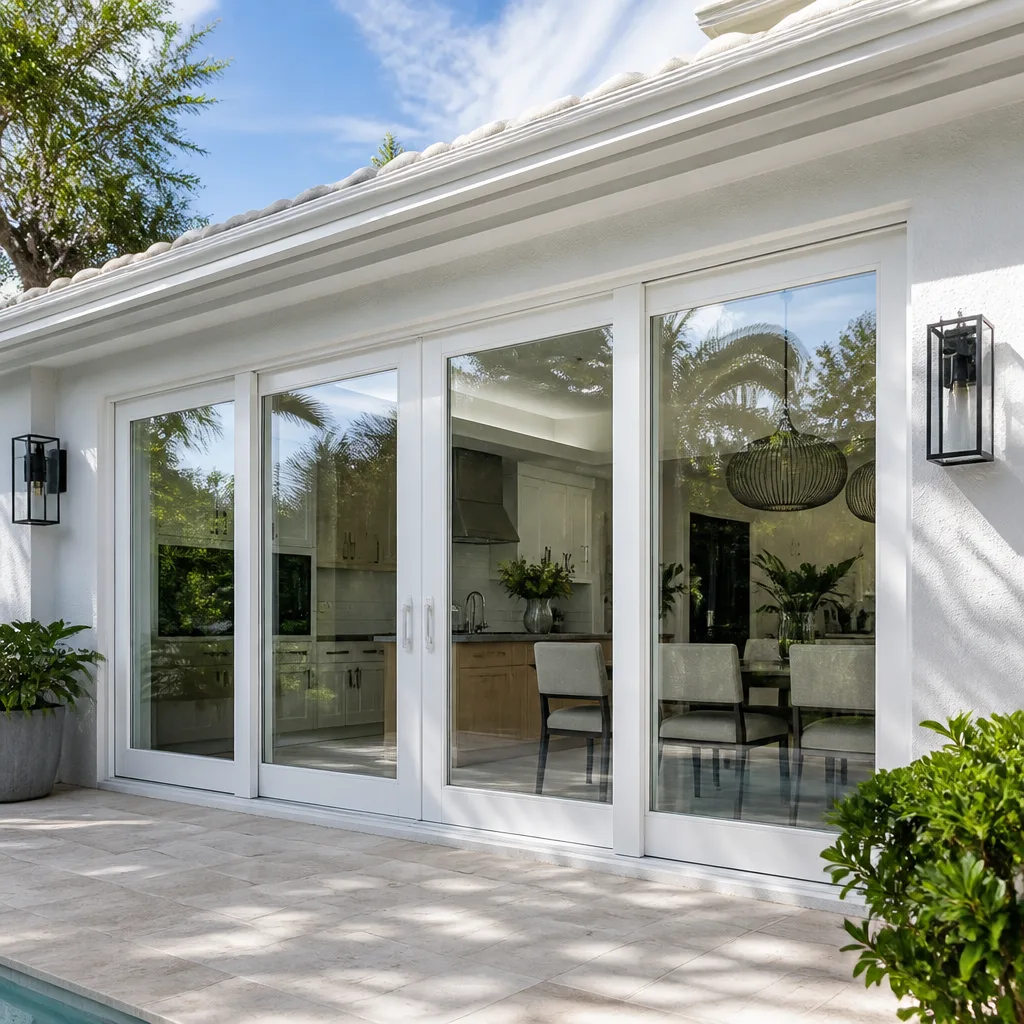
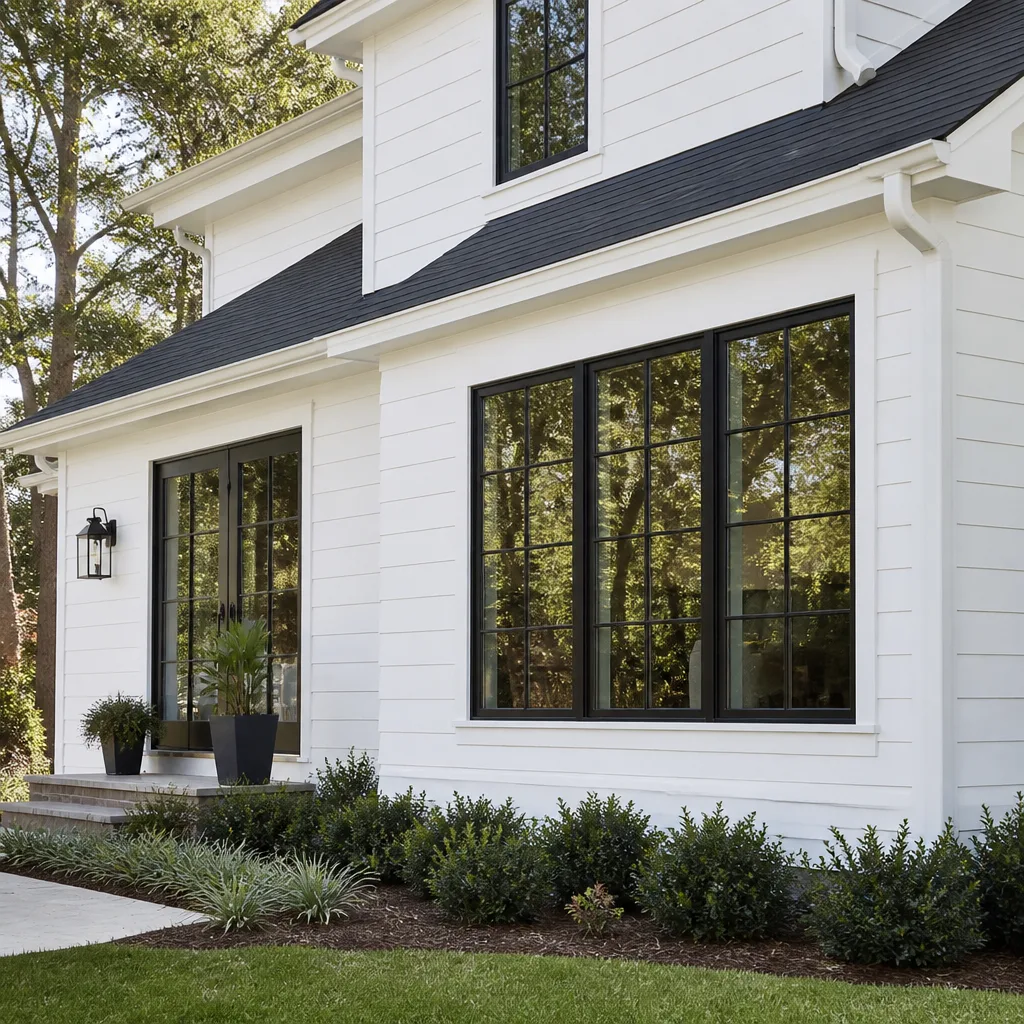
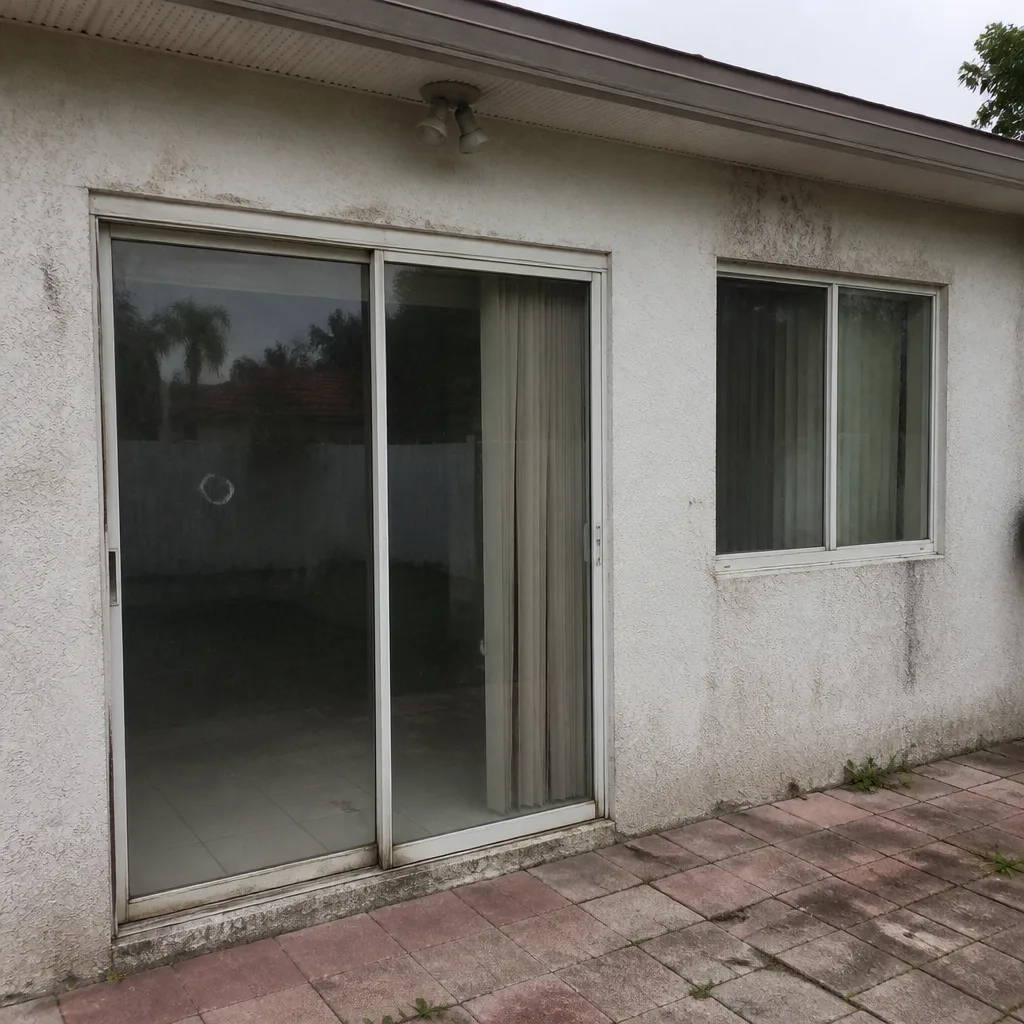 Before
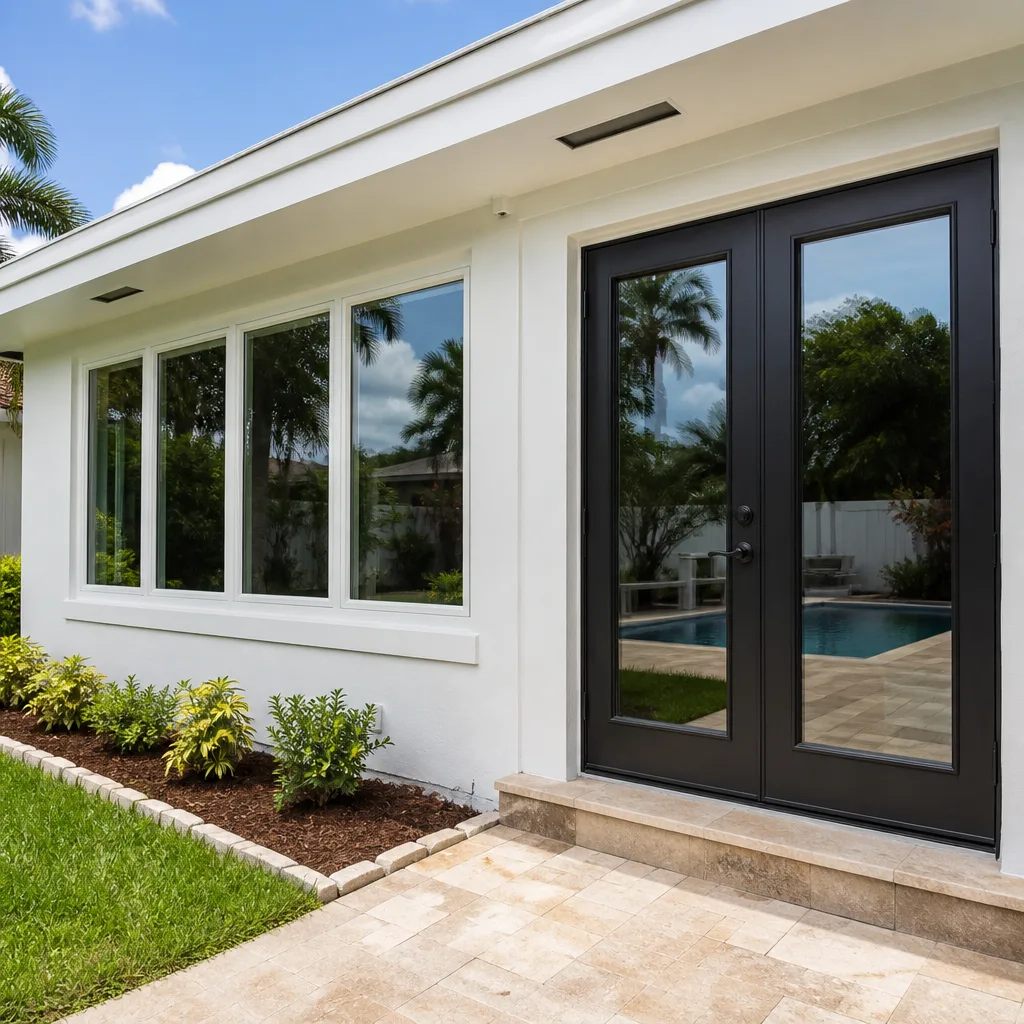 After
After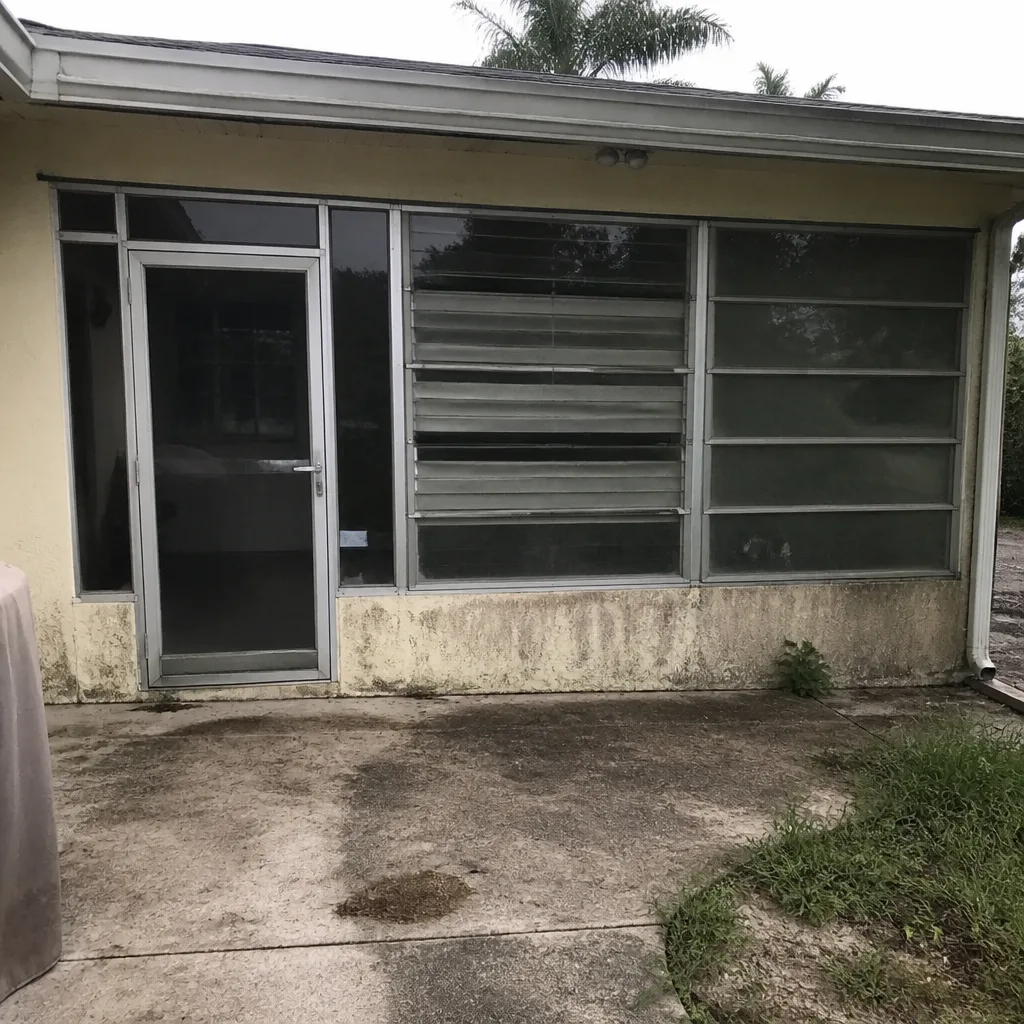 Before
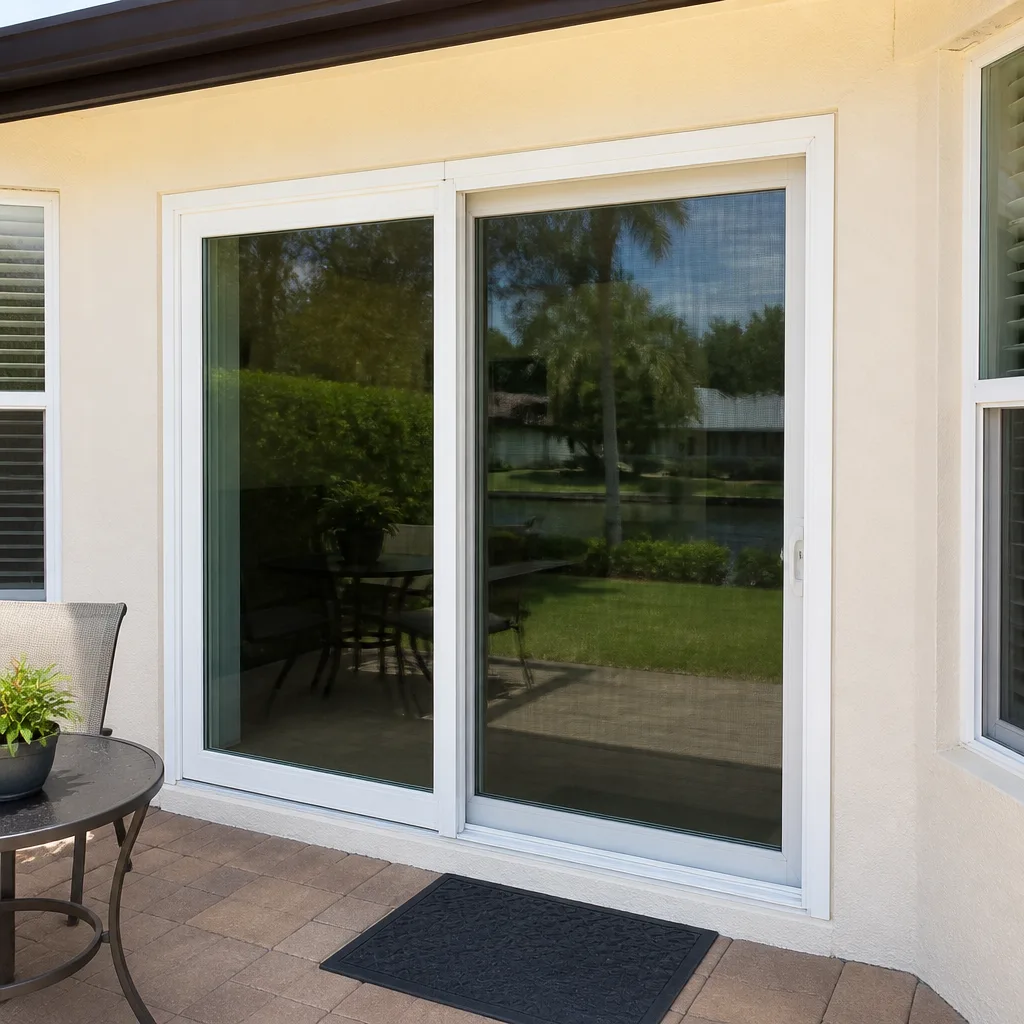 After
After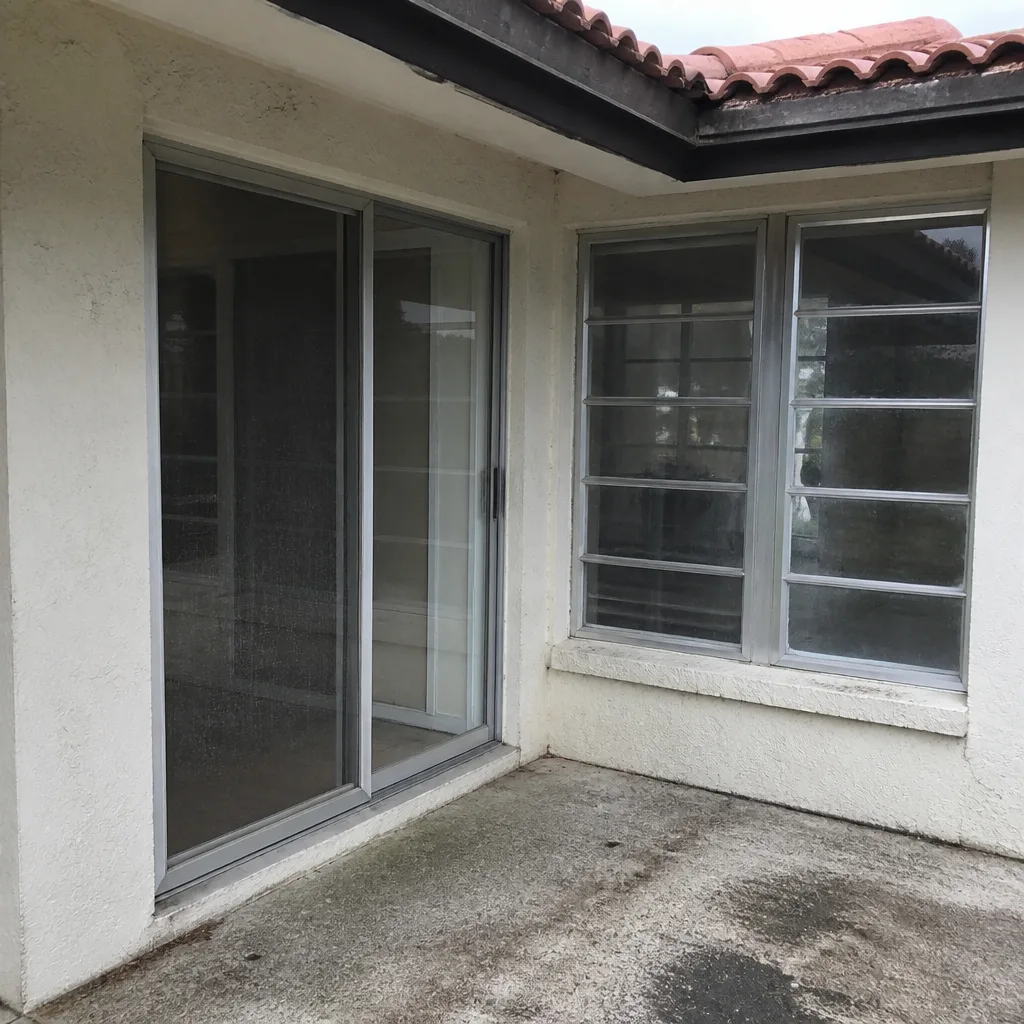 Before
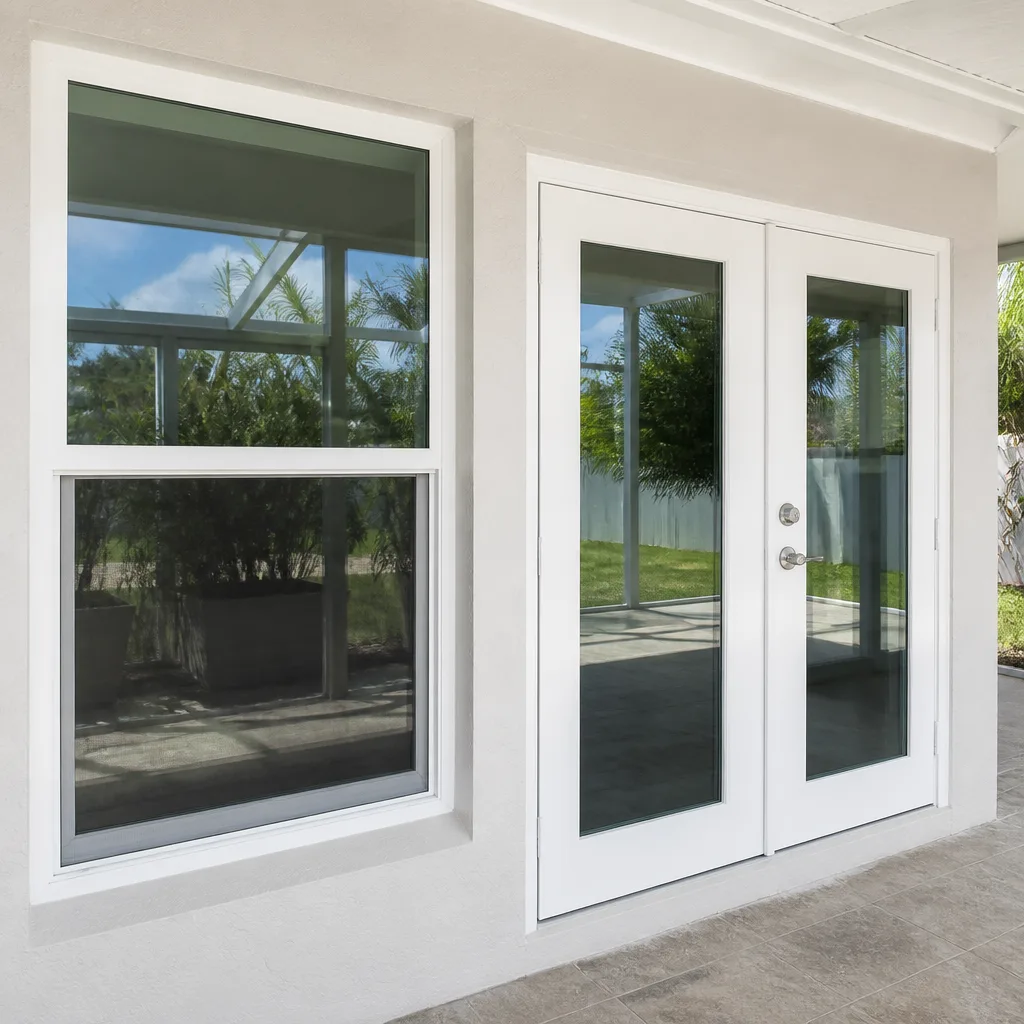 After
AfterWindows & Doors Permits, Codes & Inspections in FL: What You Need to Know
An unpermitted window replacement in Florida doesn’t just risk a code violation notice - it can void a homeowner’s insurance policy and surface as a material defect during a title search when the home is sold, even if the work was done years earlier. We’ve reviewed competitor quotes in Sunrise where the permit line item was simply absent, and the homeowner didn’t know to ask. This guide traces the full permit lifecycle for window and door work in Florida, from application through the Certificate of Completion, with specific attention to Broward County’s current process and the High Velocity Hurricane Zone (HVHZ) requirements that govern every installation we perform in Sunrise and surrounding areas. For The Complete Guide to Windows & Doors in Sunrise and related resources, see our blog.
Quick Answer
In Florida, most window and door replacements require a building permit pulled by a licensed contractor, with products bearing a Florida Product Approval or Miami-Dade NOA number for HVHZ compliance. The process involves plan review, two inspections (rough-in and final), and issuance of a Certificate of Completion - typically 10-15 business days from application to final in Broward County, assuming no product approval gaps.
Table of Contents
- Why Permits Matter More Than Most Homeowners Realize
- The Three Overlapping Layers of Florida Window and Door Regulation
- The Permit Lifecycle: From Application to Certificate of Completion
- HVHZ Product Approval: How to Read an NOA Document
- Rough-In vs. Final Inspection: What Actually Happens on Site
- Your Rights as a Homeowner: Accessing Records Independently
- After the Final Inspection: The Certificate of Completion
- Permit Costs and Timelines in Broward County
 Before
 After
AfterWhy Permits Matter More Than Most Homeowners Realize
Florida’s disclosure laws for real estate transactions have tightened significantly. A property disclosure form now specifically asks whether structural modifications, including window and door replacements, were performed with proper permits. Answering “don’t know” triggers a title search that pulls building department records. An unpermitted installation discovered this way can delay closing, require retroactive permitting at higher fees, or in some cases, force removal and replacement to achieve compliance.
Insurance carries equal weight. After Hurricane Irma in 2017, several Florida carriers denied claims where unpermitted window installations failed, arguing the work fell outside policy terms. The Florida Office of Insurance Regulation has since clarified that unpermitted structural work can constitute material misrepresentation. We’ve had Sunrise homeowners call us after receiving a non-renewal notice specifically citing “unpermitted fenestration modifications” identified during a routine inspection.
The financial exposure extends beyond the immediate repair. Broward County’s code enforcement division can issue notices of violation with escalating fines - currently $250 per day for unpermitted work after notice, capped at $15,000 per violation. In Sunrise neighborhoods like Sawgrass Estates and Welleby, where HOA architectural review committees cross-reference county records, an unpermitted installation can trigger separate covenant enforcement proceedings.
Permits also protect workmanship quality. The inspection process requires an independent third party to verify that products match approved specifications, that installation follows manufacturer instructions, and that structural connections meet engineered standards. We’ve corrected installations where the previous contractor used standard anchors in an HVHZ zone - the wrong product for the wind load, discovered only when the permit inspection failed and the homeowner called us for a window replacement in Sunrise.
The Three Overlapping Layers of Florida Window and Door Regulation
Every window and door installation in Sunrise operates under three regulatory frameworks simultaneously. A failure at any layer produces a failed inspection, and the homeowner bears responsibility for correction even when a contractor performed the work.
Layer 1: The Florida Building Code (FBC)
The statewide code sets baseline requirements for product performance, installation methods, and structural attachment. For windows and doors, Chapter 24 governs glass and glazing, while Chapter 16 establishes wind load requirements by geographic zone. The 7th Edition (2020) FBC, effective December 31, 2020, increased design pressure requirements for Broward County from 50 psf to 55 psf for most residential applications - a change that rendered some older product approvals insufficient.
Key FBC requirements include:
- All exterior windows and doors must be impact-resistant or protected by an approved opening protection system in wind-borne debris regions
- U-factor maximum of 0.40 and SHGC maximum of 0.25 for replacement windows in Climate Zone 1
- Flashing integration with weather-resistant barriers per ASTM E2112
- Structural attachment to resist positive and negative wind pressures
Layer 2: Broward County Local Amendments
Broward County adopts the FBC with specific modifications. The Broward County Amendments to the FBC include additional requirements for:
- Permit application documentation, including notarized owner authorization when the contractor pulls the permit
- Minimum contractor licensing: Certified General Contractor, Residential Contractor, or Glazing Contractor with active Broward County registration
- Mandatory wind-borne debris protection for all openings in the High Velocity Hurricane Zone, with no exemptions for inland locations
- Enhanced documentation for historic district properties, including portions of Sunrise near the city’s original plat
Broward’s amendment package also specifies inspection scheduling protocols and documentation requirements that differ from Miami-Dade’s process, even though both counties share HVHZ status.
Layer 3: HVHZ Product Approval
The High Velocity Hurricane Zone - Miami-Dade and Broward counties - imposes the strictest product approval requirements in the United States. Products must demonstrate performance through missile impact testing (large and small), cyclic wind pressure loading, and water infiltration resistance under extreme conditions.
Two approval paths exist:
- Florida Product Approval: State-level certification valid statewide, with specific application limitations noted on the approval document
- Miami-Dade Notice of Acceptance (NOA): County-level approval with detailed installation conditions, often more restrictive and specific than Florida Product Approval
In practice, most contractors working in Sunrise use products with Miami-Dade NOAs because Broward County inspectors are trained to verify NOA conditions explicitly. A Florida Product Approval without corresponding NOA documentation can trigger additional review, extending permit timelines by 5-10 business days.
The Permit Lifecycle: From Application to Certificate of Completion
Understanding the sequence protects homeowners from contractors who skip steps or obscure the process. Here’s how a properly permitted window or door project proceeds in Broward County, based on our experience with hundreds of window installations in Sunrise:
Step 1: Pre-Application Documentation
Before any permit application, the contractor must assemble:
- Property survey or site plan showing existing and proposed openings
- Window and door schedule listing each product by manufacturer, model, size, and approval number
- Manufacturer installation instructions with HVHZ-specific details highlighted
- Contractor’s active license verification and insurance certificate
- Notarized owner authorization form (Broward County specific)
At Sightline, Haven Clause 1 requires that the measured survey the customer keeps becomes the basis for the permit application - the same document, unchanged, that generates the written price. We’ve seen competitors submit permit drawings that don’t match the actual products installed, a discrepancy that surfaces at inspection and requires costly revision.
Step 2: Online Application Submission
Broward County uses the ePermitsOne system for residential applications. The contractor submits electronic documents, pays the plan review fee, and receives a tracking number. Current plan review time for residential fenestration permits: 5-7 business days for straightforward replacements, 10-14 days for projects involving structural modification or historic properties.
Step 3: Plan Review and Correction Cycle
County plan reviewers verify that submitted products carry valid approvals for the specific application, that structural calculations match the substrate type (concrete block, wood frame, or steel), and that energy code compliance is documented. Common corrections we see in Sunrise applications:
- NOA expiration dates passed (NOAs must be current at time of installation, not just application)
- Anchor spacing specified for concrete block applied to wood frame construction
- Missing Florida Energy Code compliance documentation (NFRC label certificates)
- Product size variations outside NOA-approved tolerances
Each correction cycle adds 3-5 business days. We build this contingency into our project timelines rather than promising expedited completion.
Step 4: Permit Issuance and Job Scheduling
Once approved, the permit must be posted on site before work begins. The permit card includes inspection codes that trigger specific review items. In Broward County, window and door permits typically carry:
- 101 – Building rough-in inspection
- 102 – Building final inspection
- 105 – Energy inspection (when applicable)
Step 5: Inspection Sequence
We’ll detail this separately below, but the critical point: both rough-in and final inspections must pass before the permit receives final status. Scheduling requires 24-hour advance notice through the ePermitsOne system, with inspection windows currently 8:00 AM to 3:00 PM weekdays.
Step 6: Certificate of Completion
After final inspection approval, Broward County issues a Certificate of Completion (CC) that formally closes the permit. This document is filed with the county and becomes part of the property’s permanent record. We’ll address why this matters in a dedicated section below.
HVHZ Product Approval: How to Read an NOA Document

The Notice of Acceptance is the most misunderstood document in Florida window and door work. Homeowners rarely see it. Contractors sometimes can’t interpret it. Inspectors use it as the final authority. Understanding its structure protects you from product substitution and installation errors.
An NOA contains several critical sections:
Product Description and Dimensions
Lists approved product configurations, size ranges, and options. A CGI Sentinel impact window might carry an NOA covering sizes from 24″ x 36″ to 60″ x 96″ in specific increments. Installing outside these dimensions - say, a custom 72″ x 108″ not listed - voids the approval for that opening.
Design Pressure Ratings
Expressed in pounds per square foot (psf), with separate values for positive pressure (wind pushing in) and negative pressure (wind suction). For Sunrise installations, typical residential requirements are +55/-55 psf for single-story, +60/-60 psf for two-story. The NOA must show ratings meeting or exceeding the project’s structural calculations.
Missile Impact Classification
HVHZ requires “Large Missile D” rating for openings below 30 feet elevation - capable of withstanding a 9-pound 2×4 lumber missile at 50 feet per second. Above 30 feet, “Small Missile” may apply. The NOA explicitly states which classification each product configuration carries.
Installation Conditions
This section determines whether the product can actually be used on your home. Critical variables include:
- Substrate type: Concrete masonry unit (CMU), wood frame, or steel stud - with different anchor requirements for each
- Anchor type and spacing: Specific fastener diameter, embedment depth, and spacing pattern
- Flashing integration: Approved methods for integrating with weather-resistant barriers
- Sealant requirements: Specific product and joint dimensions
We’ve encountered situations where a competitor’s quote specified CWS impact windows with an NOA valid only for wood frame construction, applied to a concrete block home in Sunrise’s Nob Hill area. The installation would have failed inspection. Our Free Second Opinion on Any Written Estimate includes NOA verification - bring us a competitor’s quote and we’ll review the product approval match at no charge. For help deciding whether to tackle issues yourself or hire out, see our DIY vs Professional Windows & Doors: The Sunrise Homeowner’s Decision Guide.
ES Windows and ECO Window Systems both publish NOAs with detailed installation condition matrices that we review with customers during product selection. The specification process at Sightline Windows & Doors Sunrise home includes confirming substrate type during the measured survey, so the written price reflects products actually approvable for the opening.
Expiration and Renewal
NOAs expire and require renewal testing. An expired NOA at time of inspection causes automatic failure. We verify current status before ordering products and maintain a database of expiration dates for the eight manufacturer lines we specify.
Rough-In vs. Final Inspection: What Actually Happens on Site
Most homeowners know inspections occur. Few understand the distinction between rough-in and final, or why skipping rough-in creates latent violations that can surface years later.
The Rough-In Inspection (101)
Conducted with openings prepared but before final sealing and interior trim. The inspector verifies:
- Product labels match permit documents (manufacturer, model, dimensions, NOA number)
- Anchor type, spacing, and embedment match NOA specifications
- Flashing installation follows approved detail and integrates with weather barrier
- Structural attachment is complete and accessible for visual verification
- No field modifications that alter product performance (cut-downs, unapproved hardware substitutions)
The rough-in inspection is where most code violations are caught and corrected at manageable cost. We’ve had rough-ins fail because a previous contractor used tapcon anchors at 24-inch spacing where the NOA required 12-inch spacing with expansion anchors - a $2,400 correction on a six-opening job in Sunrise’s Sunrise Golf Village area, discovered because we don’t skip this step.
Some contractors avoid rough-in inspection entirely, proceeding directly to final with everything concealed. This practice, sometimes called “trim and run,” hides defects that become expensive to expose later. If your contractor tells you rough-in “isn’t needed for replacements,” this is incorrect for any project requiring structural attachment modification in Broward County.
The Final Inspection (102)
Conducted with work complete, interior trim installed, and site cleaned. The inspector verifies:
- Rough-in corrections completed (if applicable)
- Interior finish does not conceal required fire-blocking or structural elements
- Operational testing of windows and doors (opening, closing, locking)
- Final product label visibility for future identification
- Site conditions match approved plans
Final inspection failure typically results from rough-in issues that weren’t corrected, or from damage to products or installation during trim work. We document the rough-in condition with our standard photo record, so any final inspection question can be resolved with visual evidence.
The Energy Inspection (105)
Required for projects triggering Florida Energy Code compliance documentation. Verifies NFRC label presence, proper installation of energy-efficient components, and absence of field modifications that compromise thermal performance. Most replacement window projects in Sunrise trigger this inspection.
Your Rights as a Homeowner: Accessing Records Independently
Florida’s public records laws and Broward County’s online systems give homeowners direct access to permit and inspection history without contractor involvement. This matters when buying a home, verifying contractor claims, or checking whether previous work was properly closed.
Broward County Permit Search
The ePermitsOne public search allows lookup by property address. Results show:
- All permits issued for the property, active and closed, back to approximately 1995
- Permit status: applied, under review, issued, inspections scheduled, corrections required, closed
- Inspection results for each permit: scheduled, passed, failed, re-inspection required
- Contractor information and license numbers
- Permit documents (plans, product schedules) for most recent permits
We teach Sunrise homeowners to check this database before purchasing a home. Unclosed permits - those with final inspection never completed - appear as active indefinitely and can block new permit issuance for related work.
Requesting Specific Documents
Beyond the online search, homeowners can request:
- Copies of inspection reports with specific failure notes
- Certificate of Completion for closed permits
- Correction notices and contractor responses
These requests require no contractor authorization. The Building Code Appeals Board can also review disputed inspection results independently.
Verifying Contractor License Status
The Florida Department of Business and Professional Regulation (DBPR) maintains an online license verification system. Check that your contractor’s license is active, in good standing, and carries the correct classification for window and door work. A “Certified Residential Contractor” or “Certified General Contractor” can perform this work; a “Registered Roof Contractor” cannot legally pull permits for window replacement.
Haven Clause 3 (Verified Crews) means our technicians arrive with license numbers visible on their uniforms and vehicles, and we encourage customers to verify independently. Background checks and uniformed crews are standard; the license number is the proof point.
After the Final Inspection: The Certificate of Completion
The Certificate of Completion (CC) is the document that formally closes the permit and certifies code-compliant work. It is not automatic - it requires explicit issuance after final inspection approval.
What the CC Contains
- Permit number and property identification
- Description of work performed
- Date of final inspection approval
- Inspector identification number
- Statement that work complies with applicable codes
Where It Is Filed
Broward County maintains the original in the permanent property file. The contractor receives a copy. The homeowner should receive a copy but often doesn’t unless they request it.
Why You Need a Physical Copy
Insurance claims, real estate transactions, and future permitting all reference the CC. We’ve assisted Sunrise homeowners where:
- An insurance adjuster requested CC documentation for impact window claims after Hurricane Ian
- A title company required CCs for all structural modifications within 10 years of sale
- A subsequent contractor couldn’t pull a related permit because an earlier permit remained open in the system
Our documented photo record on every job includes a photograph of the posted permit and, upon completion, the Certificate of Completion. This becomes part of the evidence package the customer keeps, alongside the measured survey and written scope.
In Sunrise’s active resale market, particularly in neighborhoods like Sunrise Lakes and Plantation Acres-adjacent areas, unpermitted work discovered during pre-sale inspection has cost sellers between $5,000 and $25,000 in delayed closings, retroactive permitting, and repair work. The CC is inexpensive prevention.
Permit Costs and Timelines in Broward County
Direct cost information helps homeowners evaluate contractor quotes and identify when permit fees are being inflated or, more commonly, omitted entirely to present a lower apparent price.
Current Permit Fees (Broward County, Residential Fenestration)
| Fee Component | Cost Range |
|---|---|
| Plan review fee | $85 – $150 |
| Permit issuance fee (base) | $65 – $95 |
| Per-opening fee | $12 – $18 per window/door |
| HVHZ surcharge | $25 flat |
| Re-inspection fee (if failed) | $75 per occurrence |
| Certificate of Completion | $15 – $25 |
Typical total for a 10-opening replacement project: $350 – $550. Contractors who quote $150 or “included at no charge” are either absorbing costs elsewhere or, more likely, not pulling the permit.
Timeline Summary
| Phase | Typical Duration |
|---|---|
| Documentation and application preparation | 2-3 business days |
| Plan review (initial) | 5-7 business days |
| Correction cycle (if needed) | 3-5 business days per cycle |
| Permit issuance after approval | 1 business day |
| Inspection scheduling (after work complete) | 1-2 business days |
| Total, no corrections needed | 10-13 business days |
| Total, with one correction cycle | 15-20 business days |
These timelines assume normal county workload. After major storm events, Broward County permit volumes increase 300-400%, extending timelines by 2-3 weeks. We advise Sunrise homeowners to plan accordingly and not to accept contractor promises that don’t account for actual county capacity.
Our written price includes permit fees as a line item, with the note that county fee changes between quote and application are passed at cost. Haven Clause 5 (No Surprises) governs: the measurement and the quote are the same document, and permit costs are named, not hidden.
Common Mistakes to Avoid
- Accepting “permit optional” for replacement work. In Broward County, replacement of windows or doors in existing openings still requires permitting if the product changes (impact-rated replacing non-impact, different dimensions, or different structural attachment). Only like-for-like replacement of identical products in identical openings may qualify for minor work exemption, and even then, documentation is required.
- Trusting product approval numbers without verification. A contractor shows you a Florida Product Approval number. You don’t check whether it covers your specific installation conditions. The inspector does, and the permit fails. Always verify the NOA or Product Approval matches your substrate type, wind zone, and opening dimensions.
- Skipping the rough-in inspection. This is the most common corner-cutting practice we see in Sunrise. Contractors complete full installation, call for final only, and hope the inspector doesn’t ask to see concealed structural attachments. When problems surface later - water intrusion, anchor failure, code enforcement review - the cost to expose and correct exceeds original installation pricing.
- Not requesting the Certificate of Completion. Many homeowners assume “the inspector passed it” means the permit is closed. Without the CC, the permit remains open in county records, creating obstacles for future work and insurance claims.
- Failing to verify contractor license classification. A handyman or unlicensed individual cannot legally pull permits in Broward County. Work performed by unlicensed contractors carries no warranty enforceability under Florida law and may void manufacturer product warranties.
- Ignoring NOA expiration dates. Product approvals expire. A contractor installs windows from inventory with an NOA valid at purchase but expired at installation. The inspection fails, and the manufacturer may not renew the specific product configuration, forcing complete replacement.
- Assuming all impact windows are equal. “Impact-rated” describes a test result, not a specific performance level. A product rated for +35/-35 psf is “impact-rated” but insufficient for a two-story Sunrise home requiring +60/-60 psf. The NOA specifies; the permit inspection verifies; the homeowner suffers if either step is wrong.
When to Call a Professional
Permit complexity increases with project scope. Consider professional guidance when your project involves structural opening modification, product selection across multiple performance tiers, or coordination with HOA architectural review in Sunrise’s deed-restricted communities.
Specific scenarios warranting professional involvement: converting a window to a sliding door (structural header modification requiring engineering); installing impact garage doors with integrated side-entry doors (multiple product approvals and fire separation requirements); replacing windows in a home with previous unpermitted work (permit history review and potential remediation); or selecting between door installation in Sunrise options where energy code compliance affects HVAC sizing.
Sightline Windows & Doors Sunrise offers free estimates in Sunrise - call (754) 254-5294. Every estimate includes permit requirement identification, product approval verification for your specific openings, and a written scope that becomes the permit application documentation. The measured survey you keep, the written price before any work starts, and the documented photo record on completion are standard on every job, governed by the Haven Standard since 2012.
Frequently Asked Questions
Yes, if you are changing the product type, dimensions, or structural attachment method. Like-for-like replacement of identical products in identical openings may qualify for a minor work exemption in some Florida jurisdictions, but Broward County generally requires permitting for all exterior window and door replacements to verify HVHZ compliance and energy code adherence. Call (754) 254-5294 and we’ll review your specific situation at no charge - estimates are free.
Residential fenestration permits typically range from $350 to $550 for a 10-opening project, including plan review, issuance, per-opening fees, and HVHZ surcharge. Larger projects or those requiring structural modification cost more. We itemize permit fees in every written quote so you know exactly what the county charges versus what the project requires. Call (754) 254-5294 for an exact quote - estimates are free.
An NOA, or Notice of Acceptance, is Miami-Dade County’s product approval document certifying that a window or door has passed missile impact testing, cyclic wind pressure loading, and water infiltration testing for High Velocity Hurricane Zone conditions. Broward County accepts Miami-Dade NOAs as proof of HVHZ compliance. The NOA specifies exact installation conditions - anchor type, spacing, substrate - that must be followed for the approval to remain valid. Without a current NOA matching your installation, the inspection fails.
Florida law allows homeowners to act as their own contractors on single-family residences they occupy, but this carries significant risk. You assume full responsibility for code compliance, inspection scheduling, and correction of failures. You cannot delegate permit pulling to an unlicensed individual while retaining homeowner exemption. Most window and door manufacturers also void product warranties for owner-installed products. Our recommendation: the permit should be pulled by the licensed contractor performing the work, with their license and insurance backing the installation.
The inspector issues a correction notice specifying deficiencies. The contractor must correct and schedule re-inspection, typically at additional fee ($75 per re-inspection in Broward County). Common failures include improper anchor spacing, expired or mismatched product approvals, missing flashing details, or energy label documentation gaps. At Sightline, our rough-in inspection practice catches most issues before they become formal failures, and our 365-Day Done Right Promise covers correction of any installation-related deficiency. Call (754) 254-5294 if you’ve received a failed inspection notice on another contractor’s work - we provide free second opinions on any written estimate.
Typically 10-15 business days for straightforward residential window or door replacement in Sunrise, assuming no plan review corrections. One correction cycle adds 3-5 business days. Post-storm periods extend timelines significantly. We provide written project schedules that include realistic permit timelines based on current county workload, not optimistic assumptions. The permit cannot be rushed - county review proceeds in sequence - but proper documentation preparation prevents the delays that most commonly extend projects.
Yes, potentially significantly. Florida’s property disclosure forms specifically ask about permitted status of structural modifications. Title searches now routinely pull building department records. Unpermitted work discovered during transaction due diligence can delay closing, require retroactive permitting at higher fees, force disclosure to buyers, or in some cases, require removal and compliant replacement. We’ve assisted Sunrise homeowners with pre-sale permit verification and remediation of previous unpermitted installations. The Certificate of Completion for properly permitted work eliminates this exposure entirely.
The Bottom Line
Florida’s window and door permitting system operates in three layers - state code, local amendment, and HVHZ product approval - with inspection checkpoints that verify compliance at each stage. The homeowner bears ultimate responsibility for permit status, not the contractor, making independent verification essential. Key protections include: verifying your contractor’s license classification matches the work; demanding rough-in and final inspections for every project; confirming product approvals match your specific installation conditions; and securing the Certificate of Completion for your records. In Sunrise’s active real estate and insurance markets, proper permitting is not administrative overhead - it is financial protection against claims denial, sale complications, and code enforcement action. The documentation you keep, starting with the measured survey and written price, becomes evidence when you need it.
Written by Sonia Raman, Owner at Sightline Windows & Doors Sunrise, serving Sunrise since 2012.