
Last updated September 24, 2026
Free in-home measure and quote - PGT, CGI and CWS impact lines compared on your actual openings, style by style
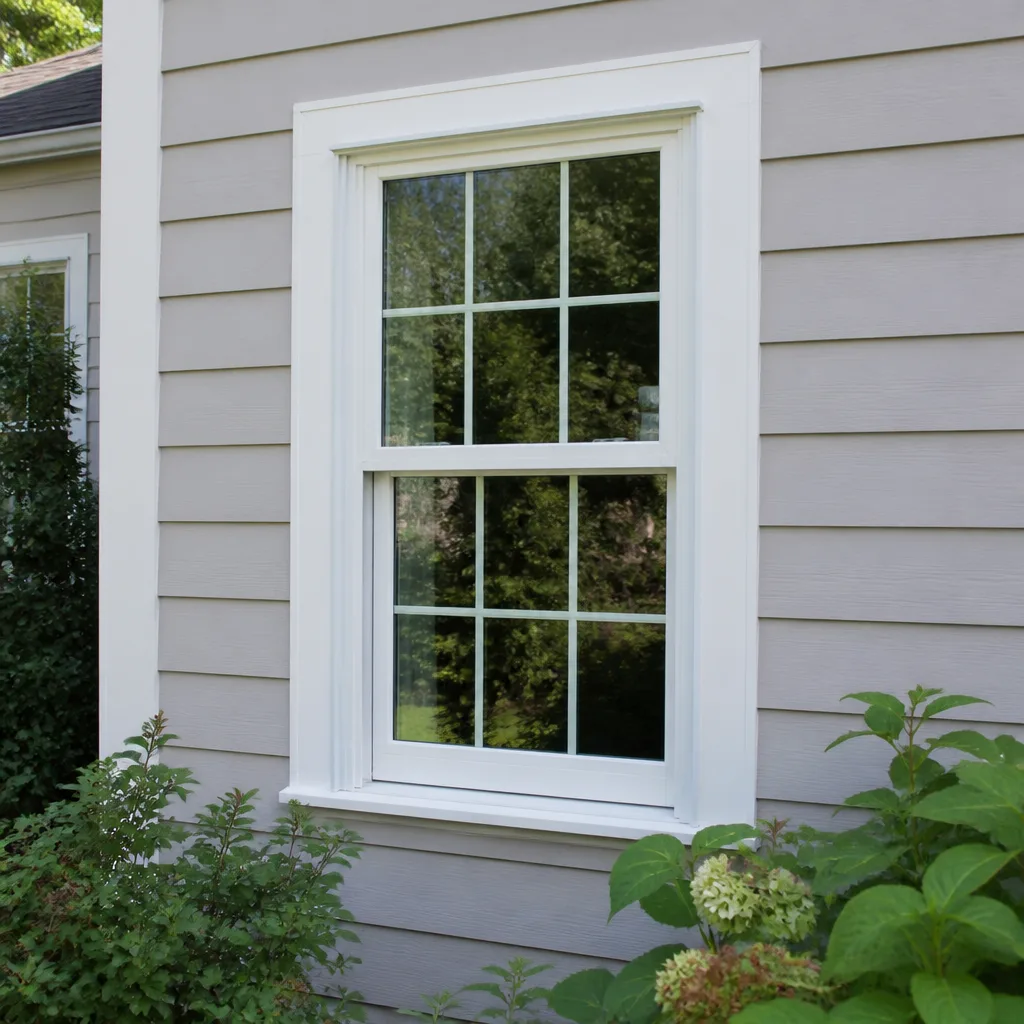
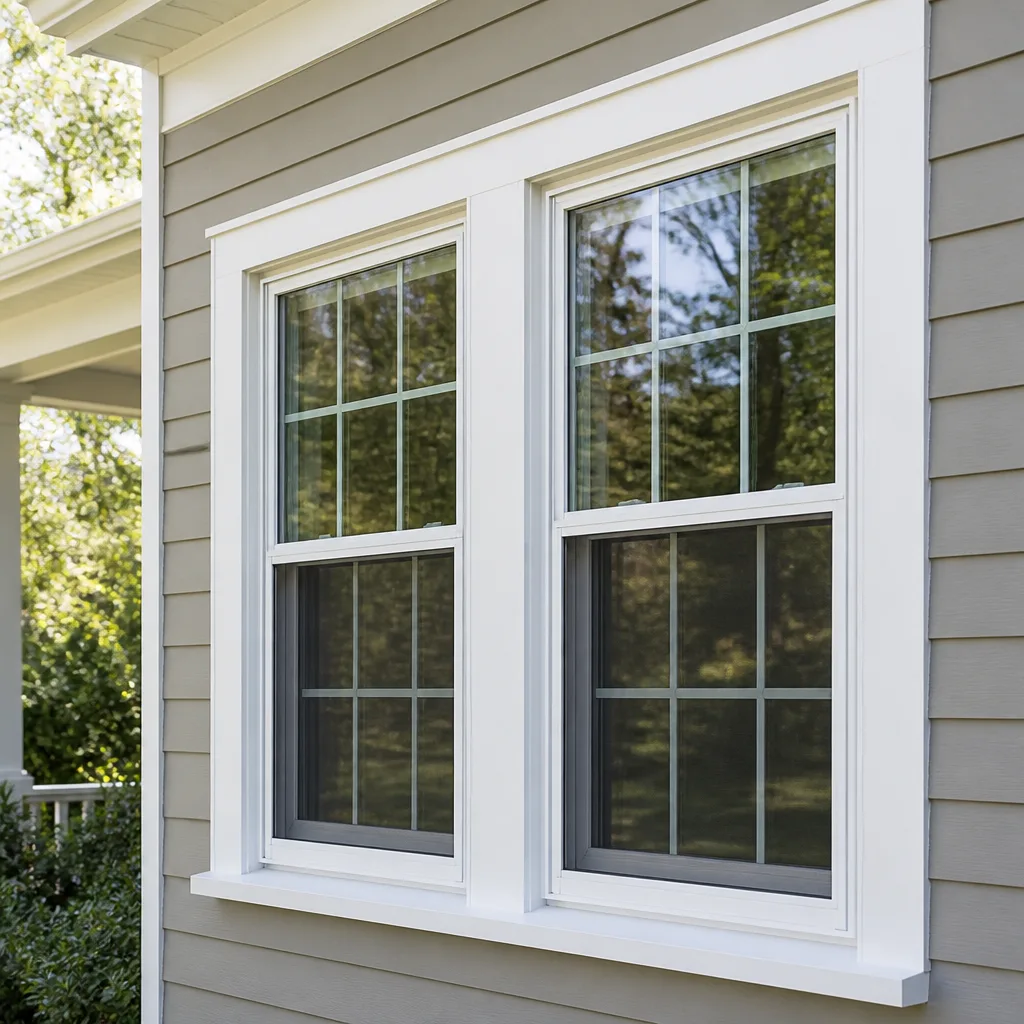
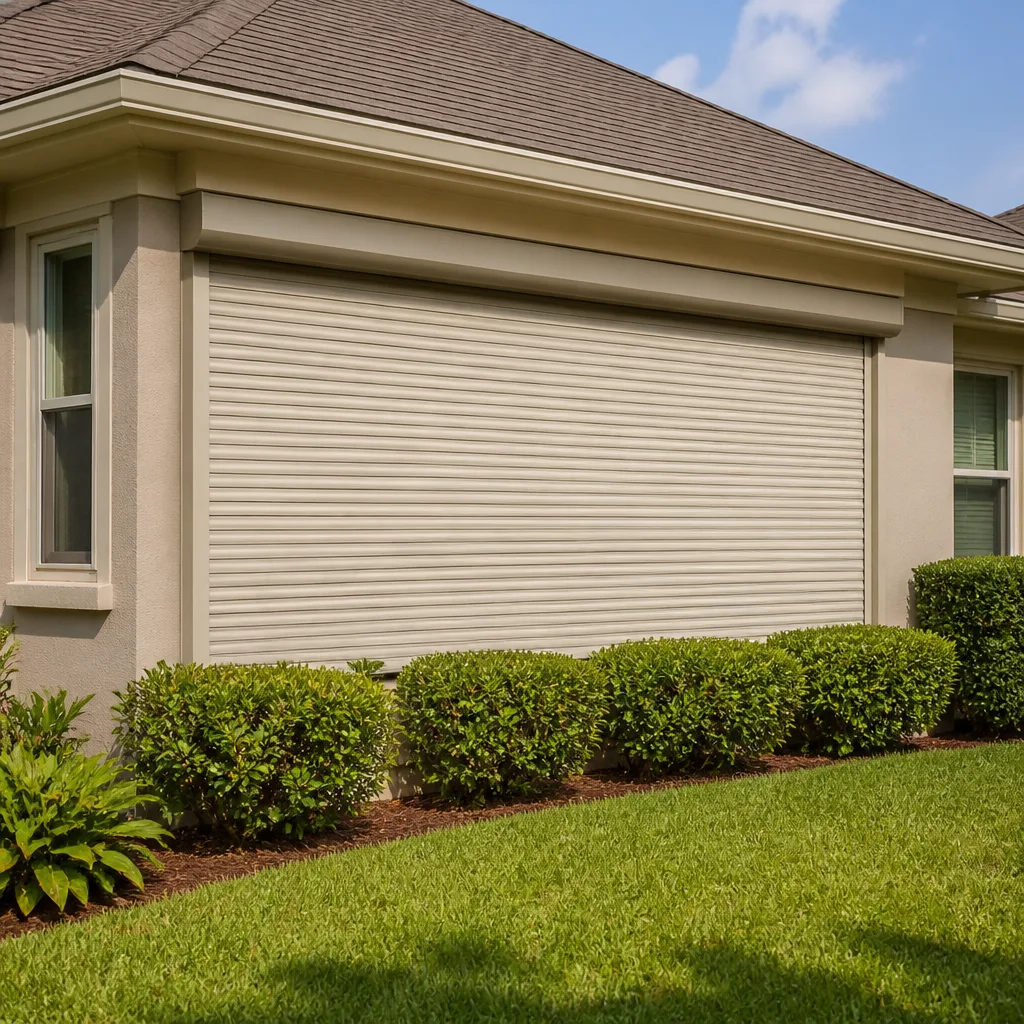
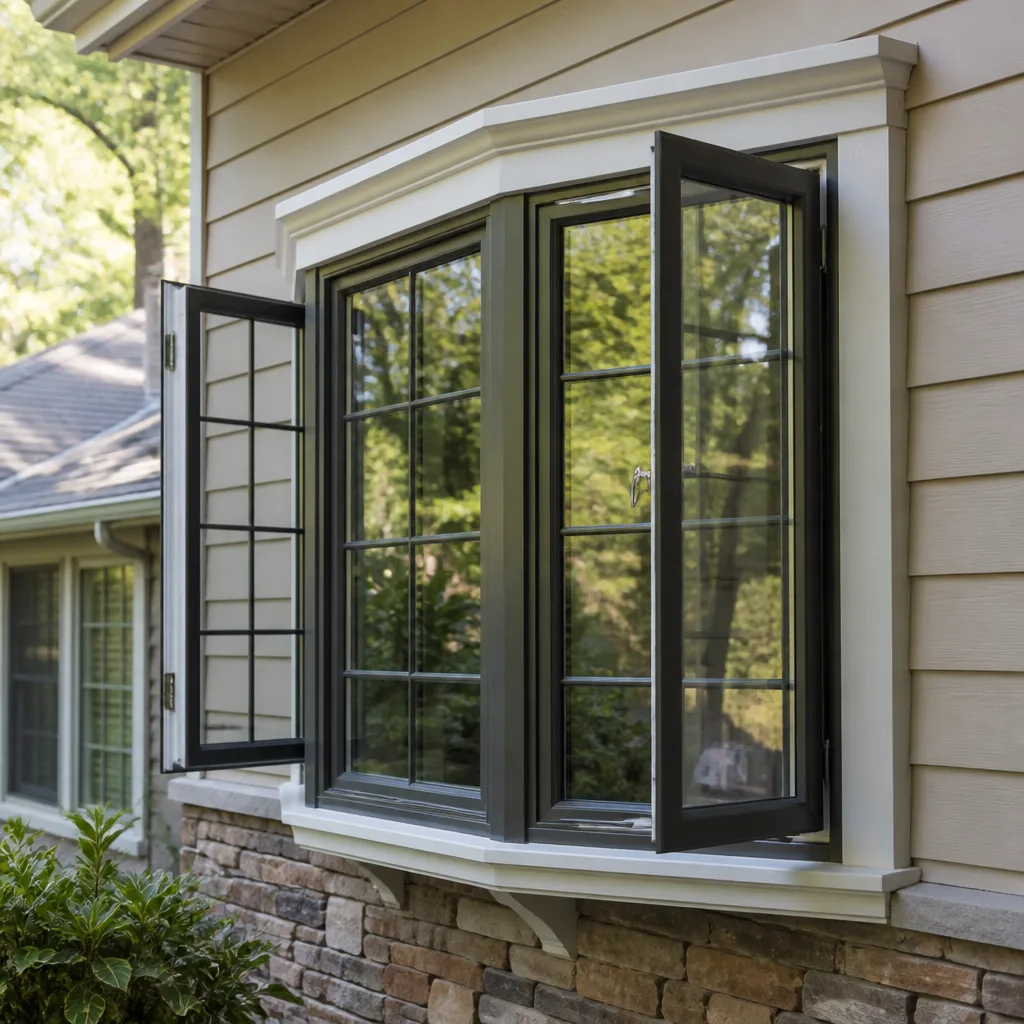
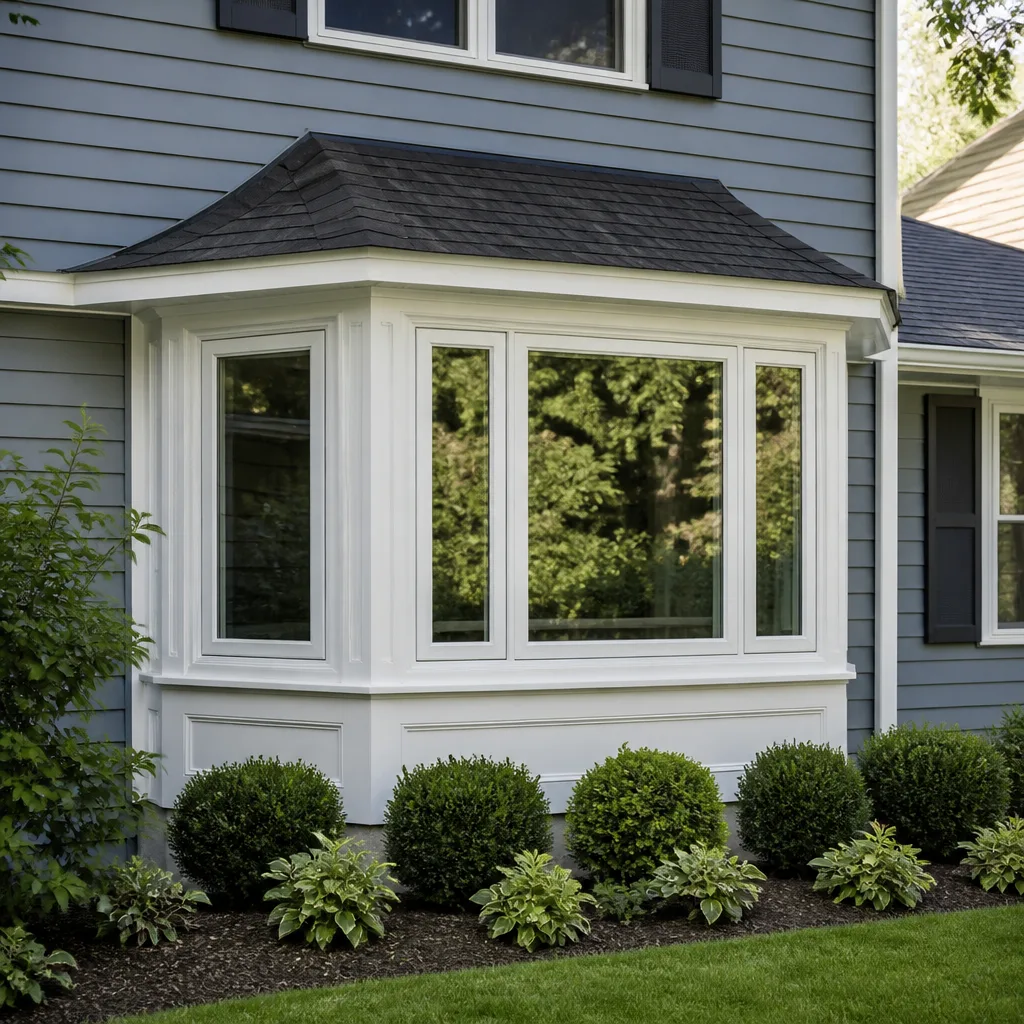
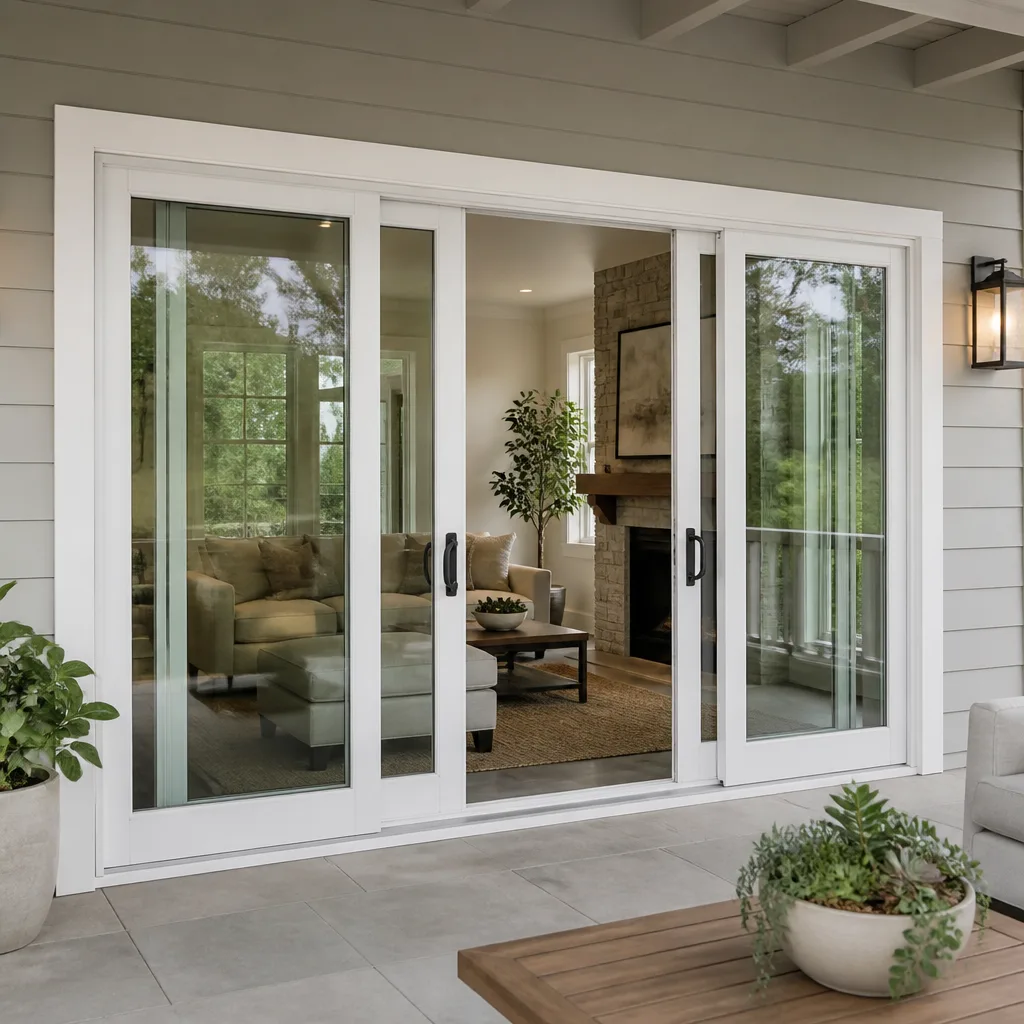
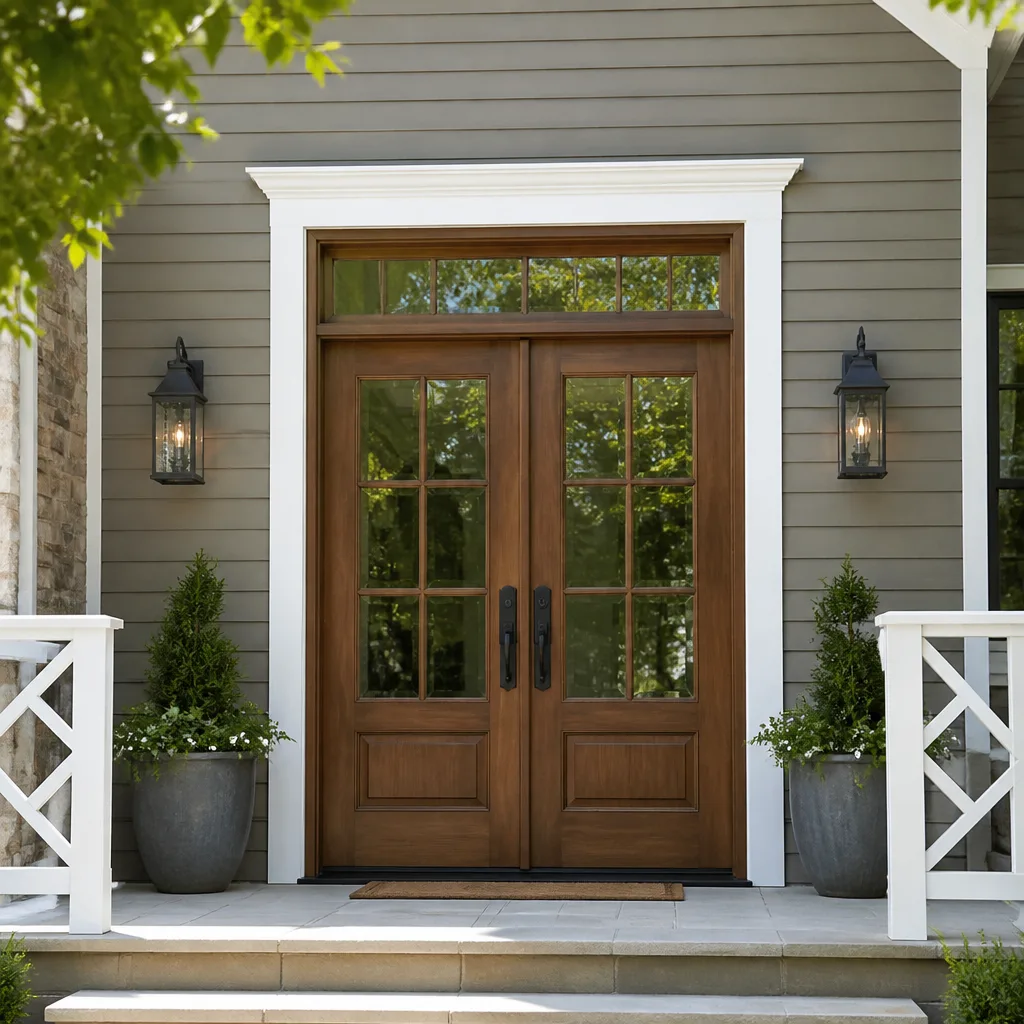
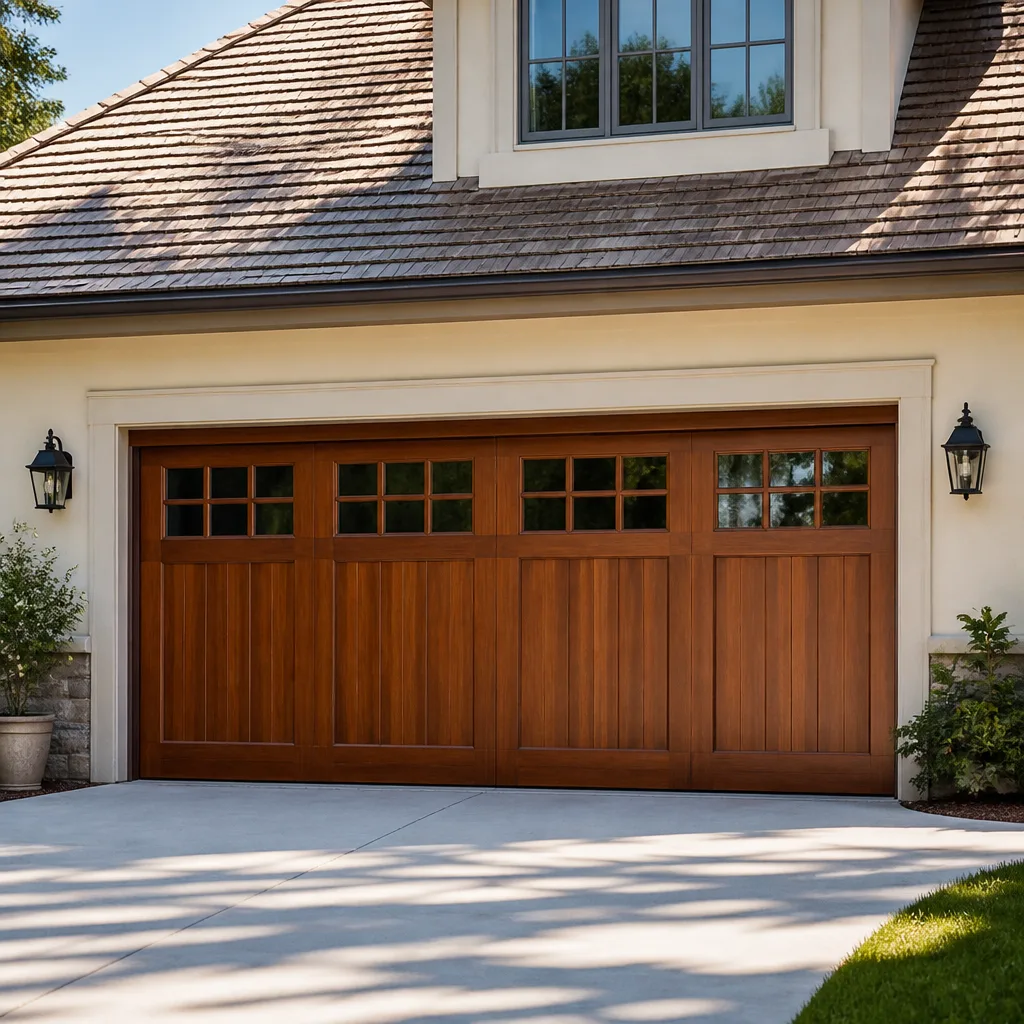
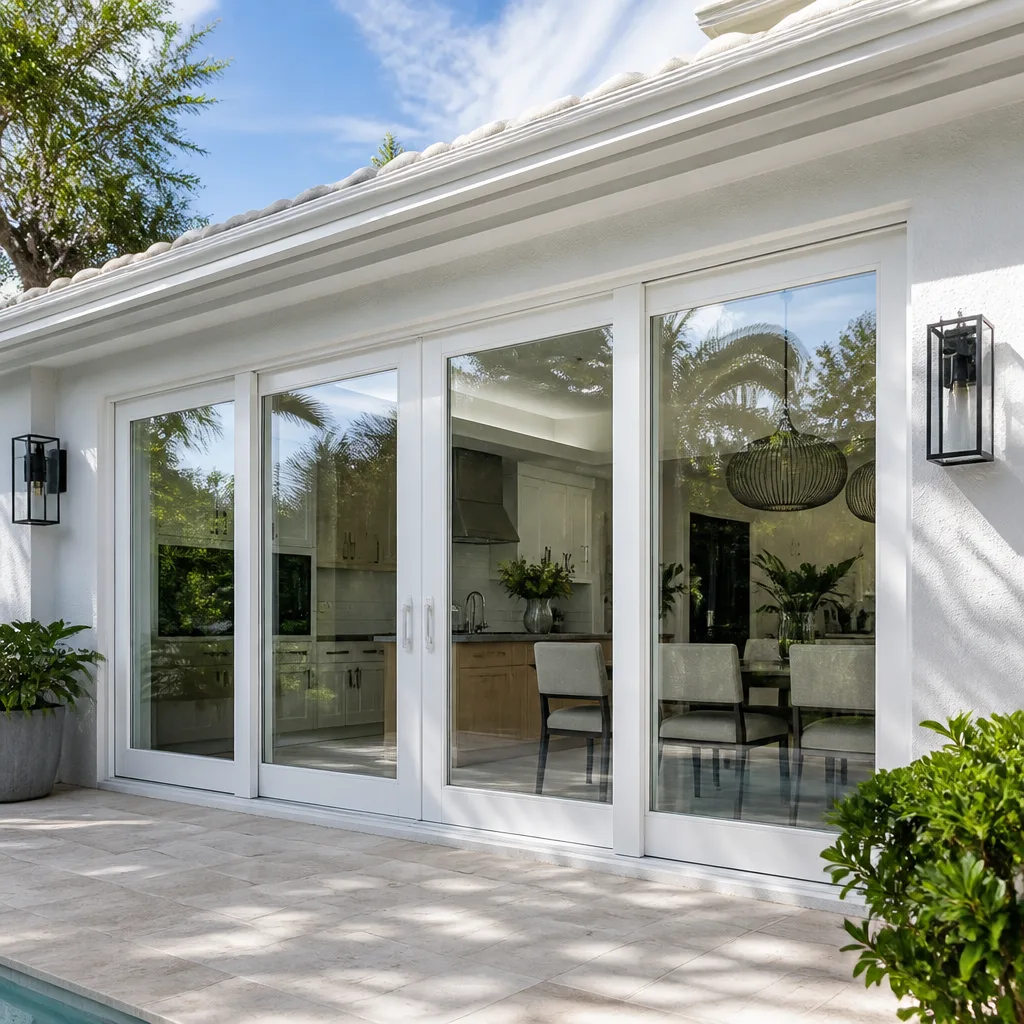
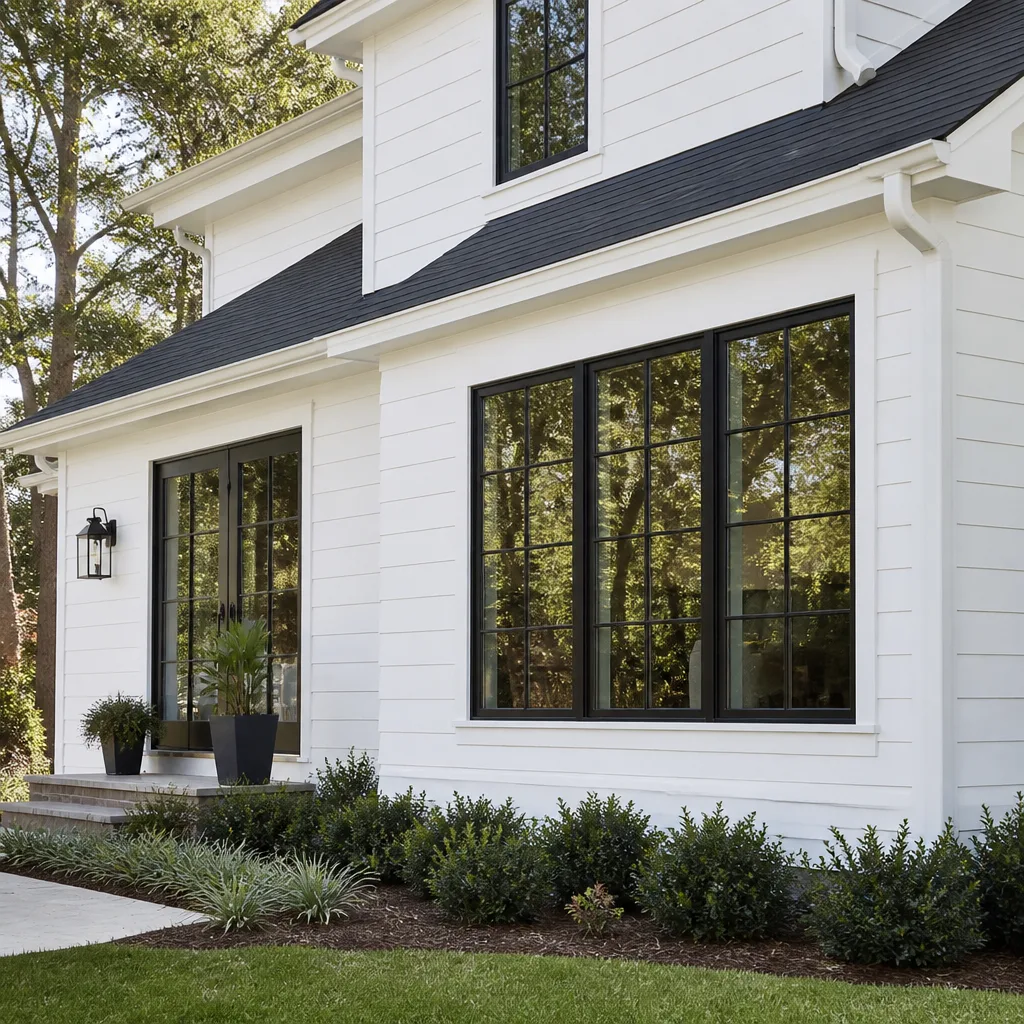
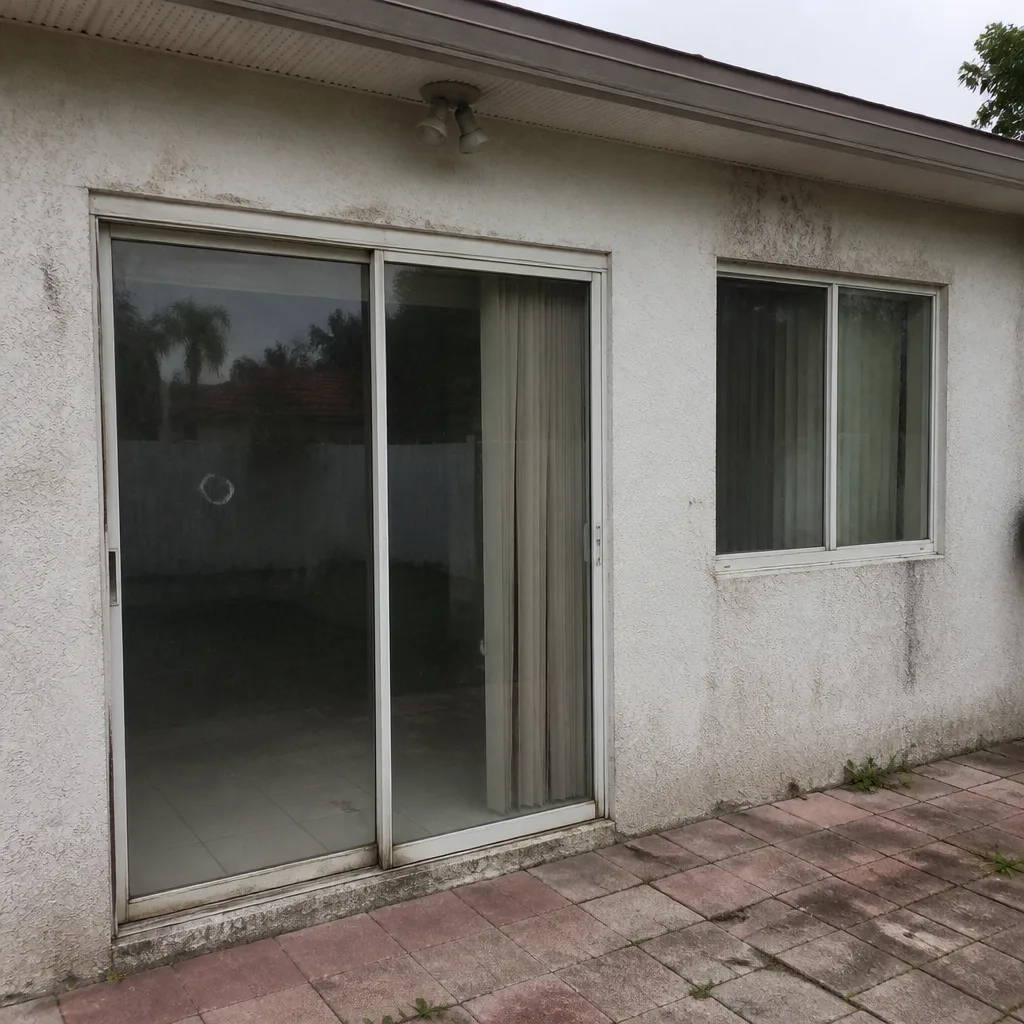 Before
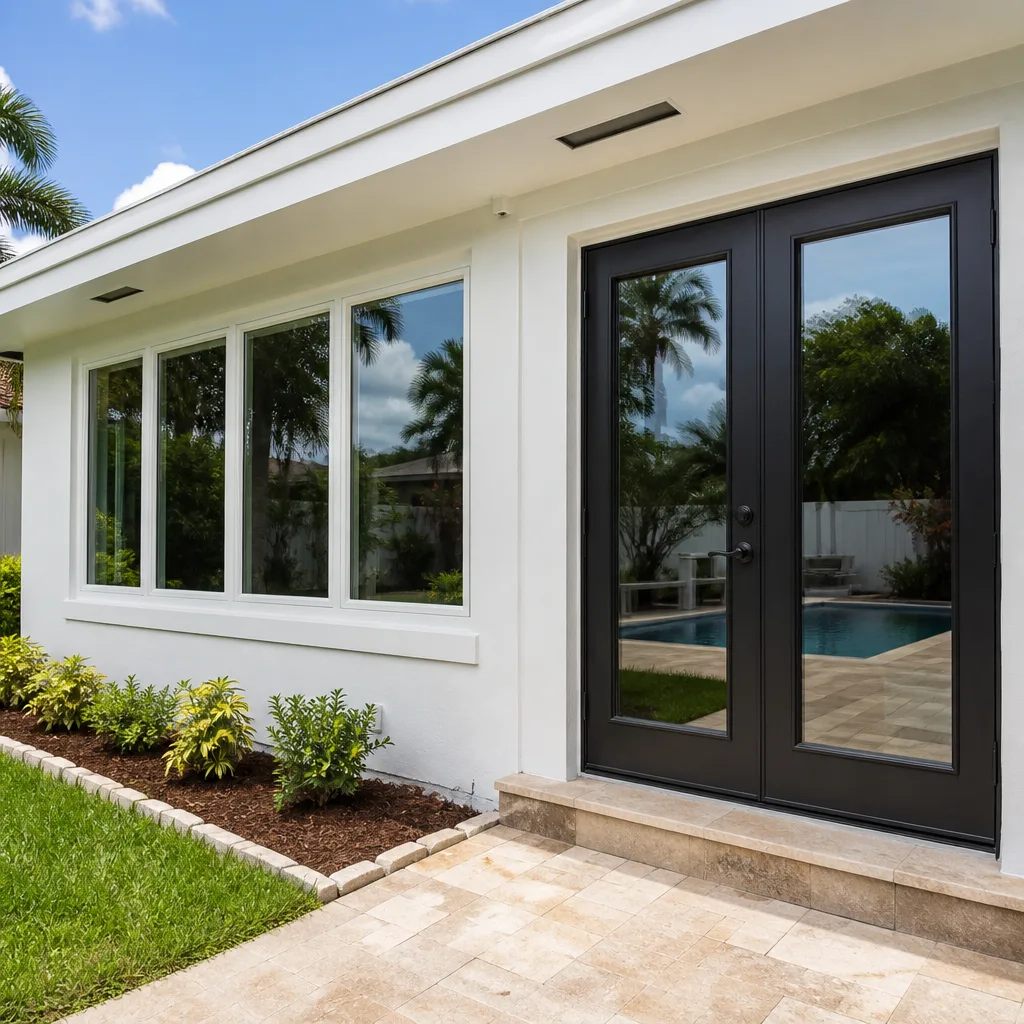 After
After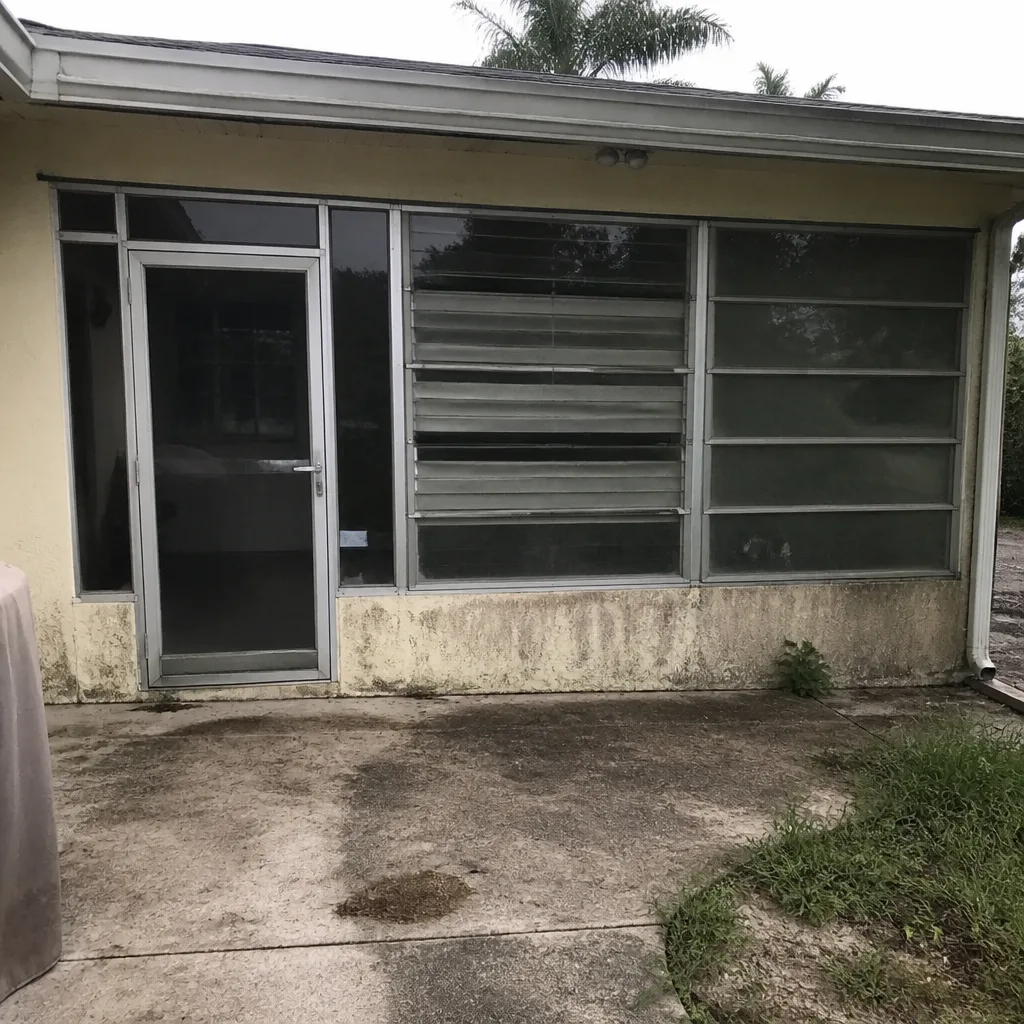 Before
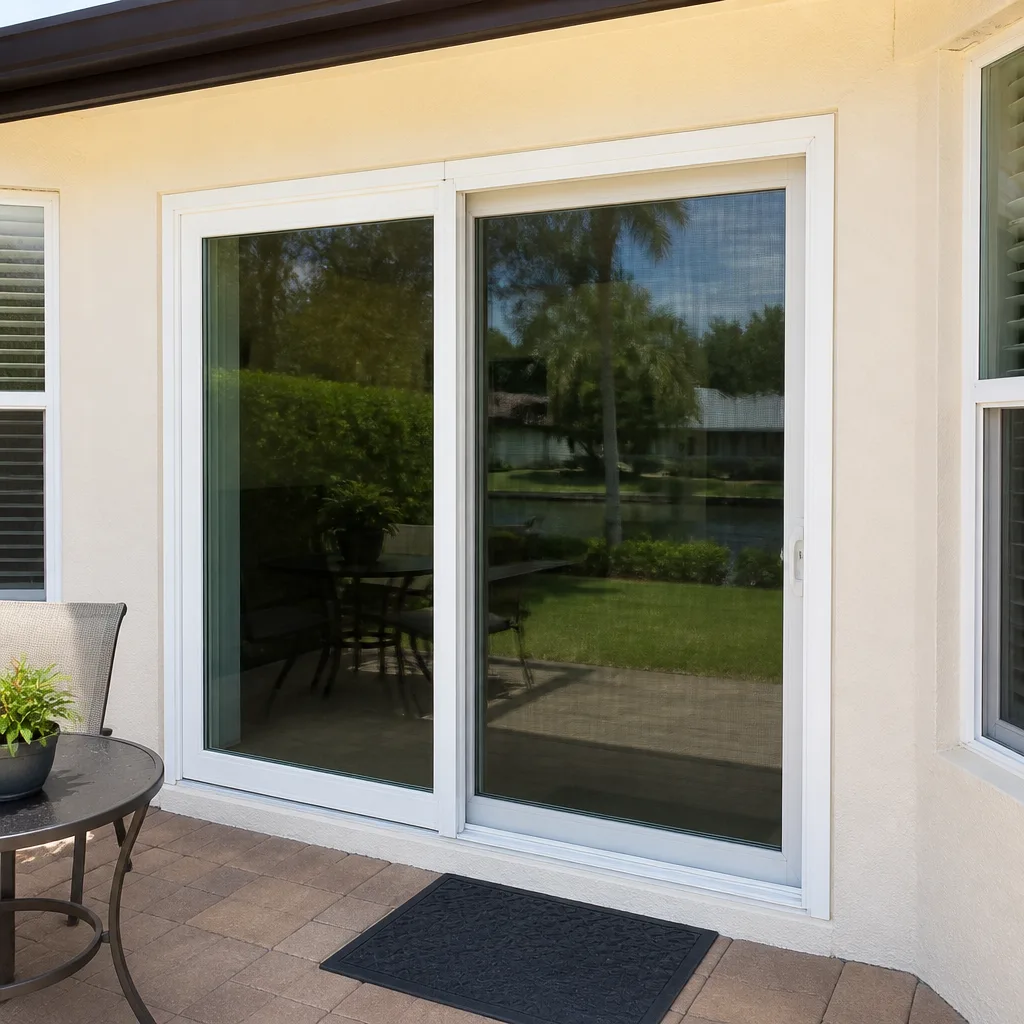 After
After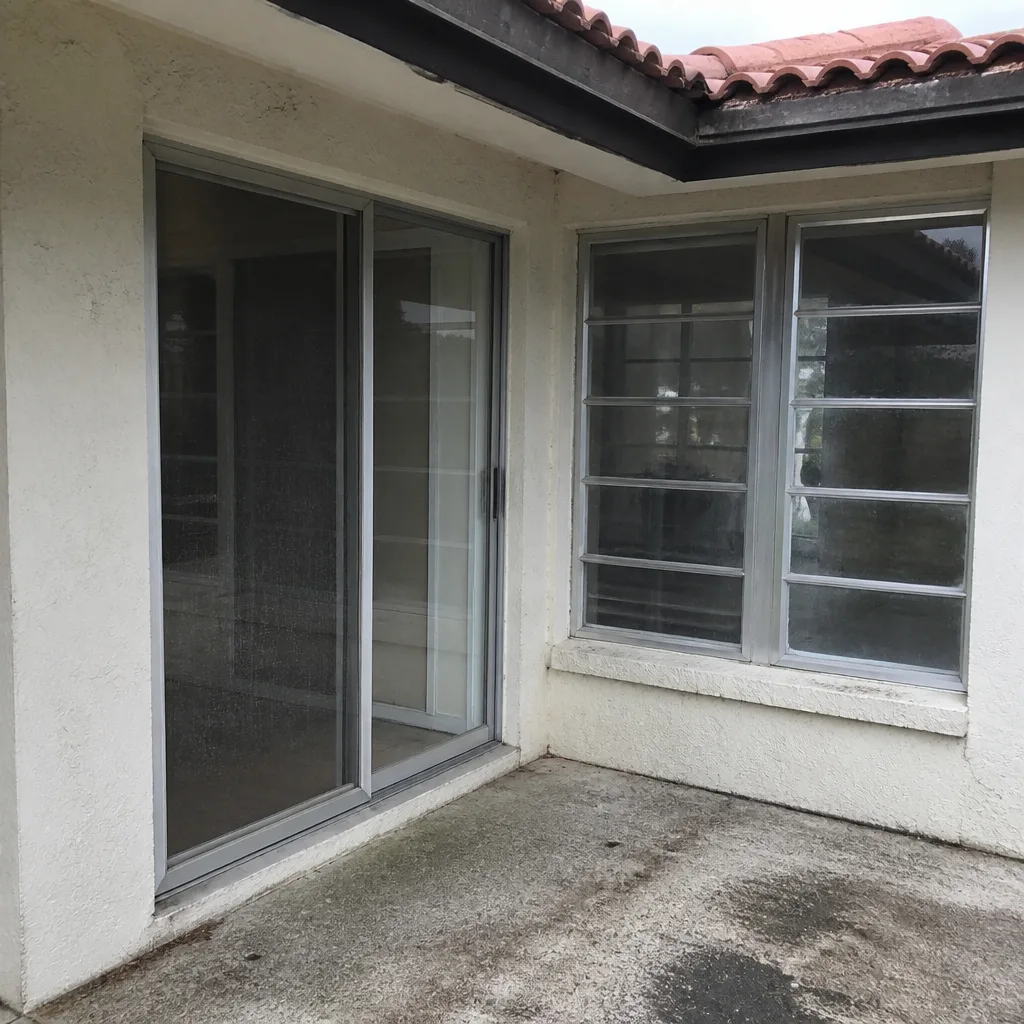 Before
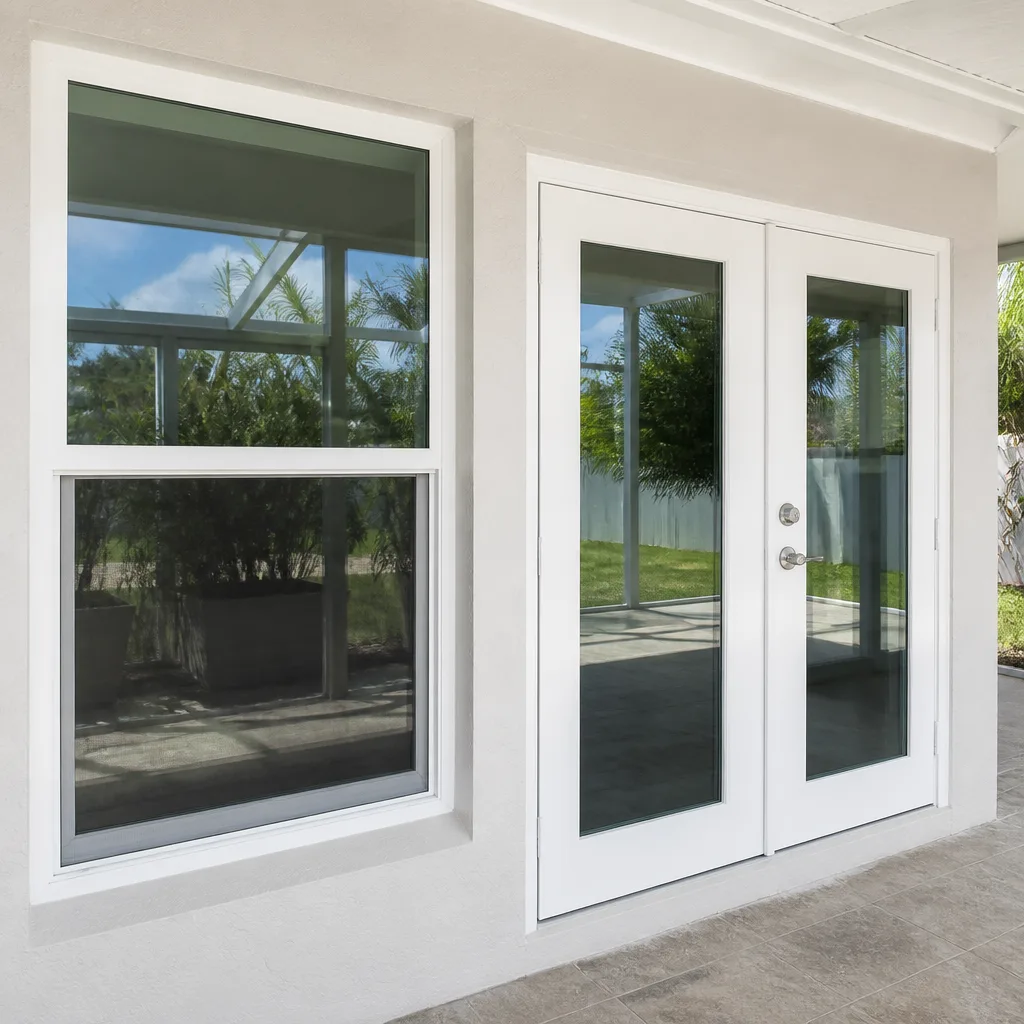 After
AfterThe Complete Guide to Windows & Doors in Sunrise
Broward County sits inside HVHZ, the High-Velocity Hurricane Zone. That means a window that passes Florida’s standard impact test is still code-illegal in Sunrise if it lacks a Miami-Dade NOA product approval number. Most homeowners discover this after the product is ordered, not before. This guide maps every decision you’ll make, product to permit to inspection, to the specific regulatory layer that governs it in Sunrise. You’ll learn how to verify a product’s NOA before signing, what three documents you must hold at project close, and why your HOA submittal timeline may delay your permit by weeks.
Quick Answer
DIY vs Professional Windows & Doors: The Sunrise Homeowner’s Decision Guide starts with a basic truth: windows and doors in Sunrise must carry Miami-Dade NOA approval to be code-legal, even though the city sits in Broward County, not Miami-Dade. Expect to pay $650-$1,400 for a standard impact-rated single hung, $2,800-$5,200 for a sliding glass door, and $1,200-$2,400 for an impact casement, with permits, HOA approval, and inspection sign-off required before and after installation.
Table of Contents
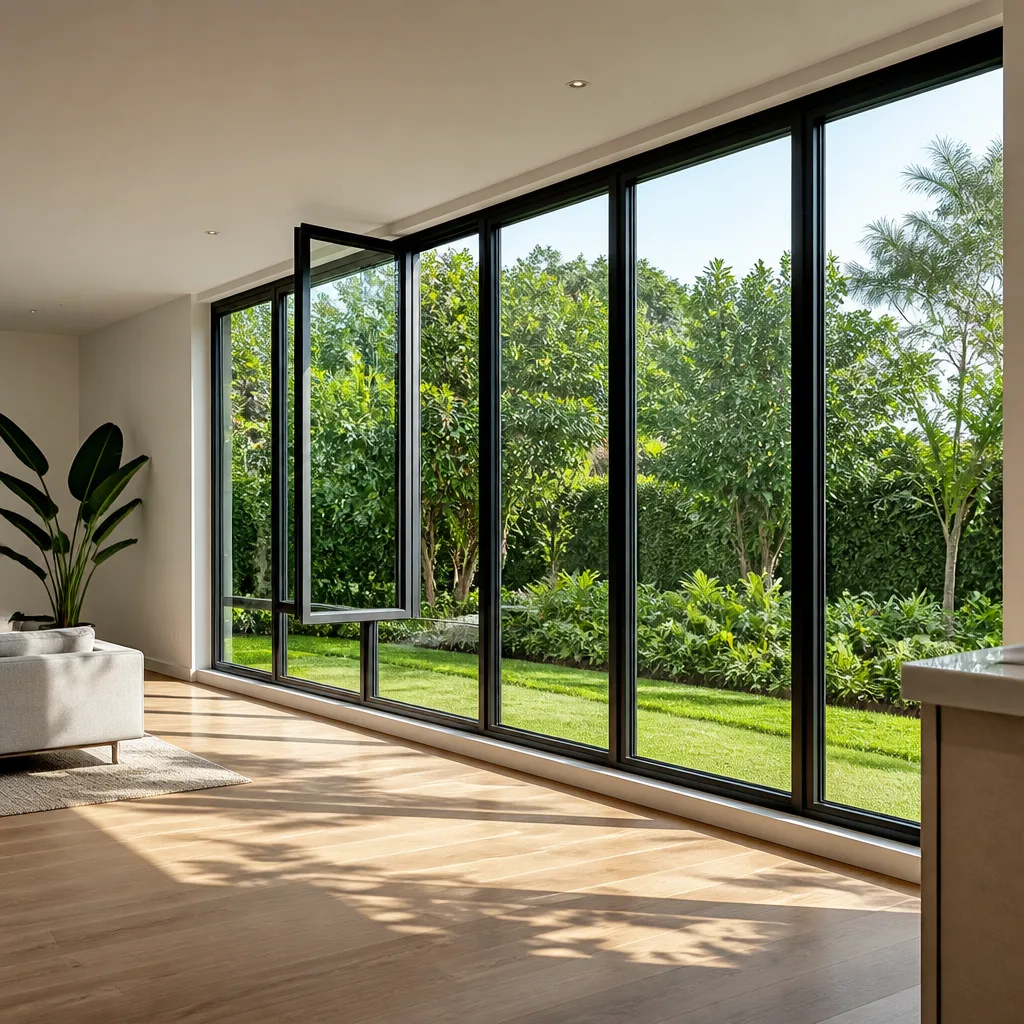
- HVHZ Explained: Why Miami-Dade NOA Approval Is Mandatory in Sunrise
- How to Verify a Product’s NOA Number Before You Sign
- The Three Documents Every Sunrise Homeowner Must Hold at Project Close
- HOA Submittal Process and Timeline in Sunrise Master-Planned Communities
- Window and Door Cost Ranges in Sunrise
- Selecting Products by Opening Type and Performance Tier
- Permits, Inspections, and the Florida Building Code Chapter 14 Path
- Common Mistakes to Avoid
- When to Call a Professional
- Frequently Asked Questions
 Before
 After
AfterHVHZ Explained: Why Miami-Dade NOA Approval Is Mandatory in Sunrise
Florida divides its wind zones into three categories. Most of the state operates under the standard wind-borne debris region, where a product labeled “impact-rated” and bearing a Florida Product Approval number satisfies code. Broward County, including all of Sunrise, does not.
HVHZ, the High-Velocity Hurricane Zone, covers Miami-Dade and Broward counties. The designation dates to post-Hurricane Andrew code reforms in the 1990s and imposes stricter missile-impact and cyclic-pressure testing than the rest of Florida. A window or door can pass the standard state test and still fail HVHZ criteria. That is why Florida Building Code Section 1609.1.2 explicitly requires Miami-Dade NOA approval for all exterior openings in Broward County installations.
The NOA, or Notice of Acceptance, is a document issued by the Miami-Dade County Product Control Division. It lists the exact product configuration, size limits, installation method, and approved accessories. A PGT WinGuard single hung in a 36-by-72-inch rough opening carries a different NOA than the same model in 48-by-60. Install it outside those dimensions, or with unapproved hardware, and the inspection fails.
We’ve seen homeowners in Sunrise’s Sawgrass Estates and Sunrise Golf Village neighborhoods purchase “impact windows” online that carried only Florida Product Approval. The product was legitimate. The installation was not code-legal for their address. The permit was denied, the product returned, and the timeline reset by six to eight weeks.
The practical implication: any quote you receive in Sunrise should reference a specific NOA number for each proposed product. If it does not, the quote is incomplete. Haven Clause 1, Have it in writing, applies here. The written price must attach to a documented, code-legal product specification.
How to Verify a Product’s NOA Number Before You Sign
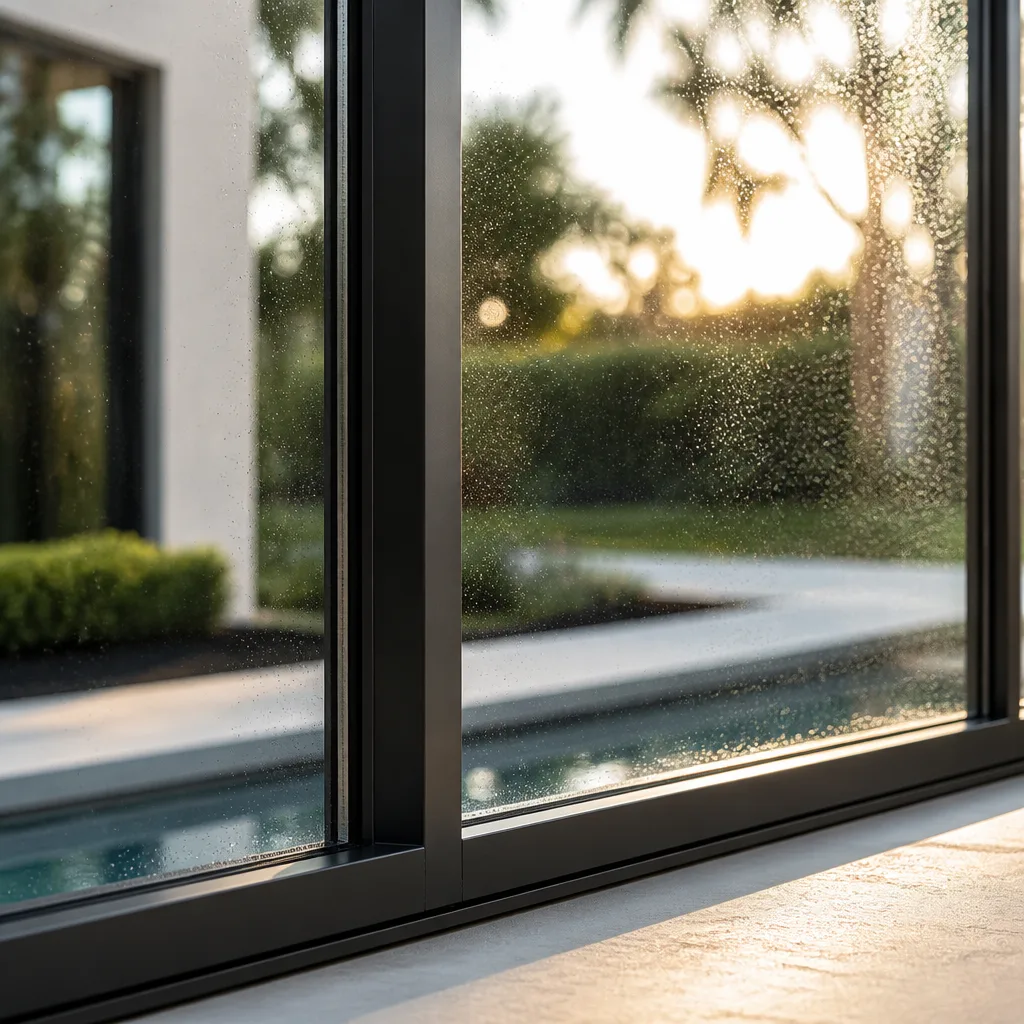
Verifying an NOA takes under five minutes and requires no special access. The Miami-Dade County Product Control Division maintains a public database at miamidade.gov/productcontrol. Here’s the exact sequence:
- Obtain the NOA number from your contractor’s written quote. It will read “NOA 24-XXXX.XX” or similar, with the year of issuance first.
- Navigate to the Product Approval Database and select “Search by NOA Number.”
- Enter the full number, including the suffix after the decimal. Partial matches will not return the correct document.
- Verify three fields on the resulting page: the product description matches what was quoted, the NOA status reads “Active,” and the expiration date extends past your projected installation date.
- Cross-reference the size range table. Confirm your rough opening dimensions fall within the minimum and maximum listed for that exact product configuration.
- Note any installation system restrictions. Some NOAs require a specific fastening pattern or substrate preparation that affects your wall type, particularly in Sunrise’s 1970s-1980s concrete block construction versus newer frame-built homes.
We provide the NOA number on every line item of our written quotes. Customers in Sunrise’s Welleby and New River Estates communities have told us this step alone eliminated two competing bids where the product either lacked active NOA status or was specified outside its approved size range.
If a contractor will not provide the NOA number before contract signing, that is sufficient reason to pause and consult How to Hire a Windows & Doors Contractor in Sunrise: A Step-by-Step Guide. The number is not proprietary. It is public record. Haven Clause 1 exists precisely for this transparency.
The Three Documents Every Sunrise Homeowner Must Hold at Project Close
At project completion, you should possess three documents that together prove code compliance, warranty standing, and installation quality. We deliver these on every job under Haven Clause 4, Evidence on every job. Competitors often provide one, sometimes two. All three are necessary.
The permit card with final inspection sign-off. Sunrise Building Department issues a permit card at application. It travels with the job: the rough inspection, the insulation inspection (where applicable), and the final inspection each receive a signature or stamp. The final sign-off, often labeled “C.O.” or “Certificate of Completion,” is your proof the installation met Florida Building Code Chapter 14 at close. Without it, your insurance carrier may dispute a future claim related to the opening.
The installer’s documented photo record. We photograph every phase: the existing condition with measurements visible, the rough opening after removal, the flashing and fastening detail, the product label with NOA reference, and the finished installation from interior and exterior angles. These images are date-stamped and provided to the customer, not merely retained internally. If a leak develops in year three, the photo record establishes whether the failure is product-related or installation-related, protecting both parties.
The written warranty and 365-Day Done Right Promise acknowledgment. Our warranty document specifies coverage period, transferability conditions, and the exact process for invoking the Done Right Promise. It is separate from the manufacturer’s product warranty and covers installation-specific elements: sealant performance, operational function, and finish integrity. The acknowledgment is signed by both parties and references the specific job number tied to the permit.
We’ve encountered Sunrise homeowners who held only the manufacturer’s warranty card, with no permit record and no installation documentation. When their sliding glass door leaked at the sill in year two, the manufacturer correctly noted the installation appeared non-compliant with the NOA fastening pattern. The homeowner had no photo record to dispute this. The repair was out-of-pocket.
HOA Submittal Process and Timeline in Sunrise Master-Planned Communities

Sunrise contains multiple master-planned communities with active HOAs: Welleby, Sawgrass, Sunrise Lakes, and portions of New River Estates among them. These HOAs operate under deed restrictions that can be more specific than city code. Florida law does not permit an HOA to waive code requirements, but it absolutely permits an HOA to impose additional ones: color restrictions, grille patterns, visible frame dimensions, and even approved manufacturer lists.
The typical submittal process in Sunrise HOAs follows this sequence:
- Submit the proposed product cut sheet, color sample, and elevation drawing to the HOA architectural review committee. Include the NOA number; some Sunrise ARCs now require it explicitly.
- Wait for committee review, typically scheduled monthly. In Sawgrass and Welleby, we’ve seen review cycles of 21 to 30 days.
- Receive written approval or conditional approval with required modifications. Conditional approvals may specify frame color, grille style, or operational hardware finish.
- Only after ARC approval can the contractor apply for the city building permit. Sunrise Building Department will not issue a permit for an HOA-governned property without ARC sign-off.
This means your total project timeline from contract to installation includes: HOA review (3-5 weeks), permit issuance (1-2 weeks in Sunrise’s current queue), product manufacturing (4-10 weeks depending on custom options), and installation scheduling (1-2 weeks). For timing your maintenance alongside these projects, see Seasonal Windows & Doors Care for Sunrise: Year-Round Homeowner’s Guide. A homeowner who begins in March may not see installation until June or July, not because of contractor delay, but because of sequential approval requirements.
We advise Sunrise customers to begin the HOA submittal immediately upon receiving our written quote, before contract execution. The quote contains all necessary documentation: product cut sheets with NOA references, color codes from our manufacturer lines including PGT and CGI, and elevation drawings prepared from our measured survey. Starting the ARC process early compresses the overall timeline by the full length of one review cycle.
Window and Door Cost Ranges in Sunrise
Pricing in Sunrise reflects three factors that do not apply uniformly across Florida: HVHZ product certification adds manufacturing cost, permit and inspection fees in Broward County exceed many neighboring jurisdictions, and the prevalence of HOA-mandated custom options (specific colors, impact-rated garage doors, geometric shapes) pushes typical projects above national averages.
The table below reflects installed pricing for common opening types in Sunrise’s median home footprint, approximately 1,400 to 2,000 square feet built 1975-1995. Prices include product, removal, installation, flashing, trim, permit, and inspection. They do not include HOA application fees or structural modifications to the opening.
| Opening Type | Size Range (Rough Opening) | Installed Price Range |
|---|---|---|
| Impact-rated single hung | 28″ x 52″ to 36″ x 72″ | $650 - $1,400 |
| Impact-rated horizontal roller | 36″ x 36″ to 60″ x 48″ | $780 - $1,650 |
| Impact casement | 24″ x 36″ to 36″ x 60″ | $1,200 - $2,400 |
| Sliding glass door (2-panel) | 72″ x 80″ to 96″ x 80″ | $2,800 - $5,200 |
| French door (hinged, out-swing) | 60″ x 80″ to 72″ x 80″ | $3,400 - $6,800 |
| Impact garage door (single, 8′ x 7′) | 96″ x 84″ | $2,200 - $4,500 |
| Geometric accent window | Varies by shape | $900 - $2,800 |
These ranges span our eight manufacturer lines by performance tier. A Window Installation in Sunrise using PGT WinGuard at the entry impact tier sits at the lower end. A Therma-Tru entry door system with ViewLux sidelite and custom paint-to-match finish sits at the upper end. The measured survey we provide identifies which tier your opening requires based on exposure, size, and structural condition.
We do not provide estimates without the survey. Haven Clause 1 requires that the measurement and the quote be the same document. A phone estimate based on window count alone cannot account for the water-damaged sill we find in 30 percent of Sunrise’s older installations, or the non-standard rough opening from a 1980s room addition.
Selecting Products by Opening Type and Performance Tier
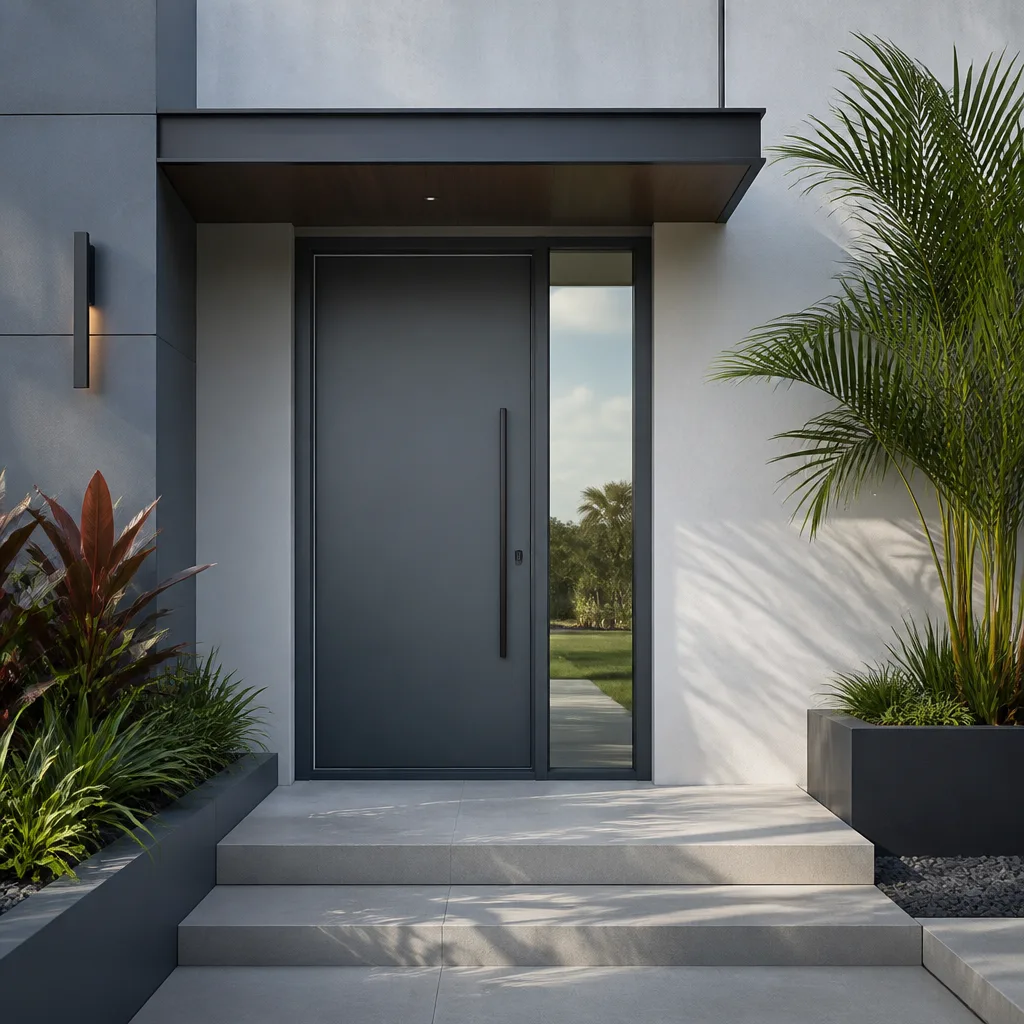
Not every opening in a Sunrise home requires the same product specification. The south-facing master bedroom window, the north-facing guest bath, and the garage door facing the street each present different loads: solar heat gain, wind exposure, and impact risk from wind-borne debris.
We specify from eight manufacturer lines, selected by what the opening requires, not by what is in stock. Here is how we match product to condition:
- Primary living spaces with western or southern exposure: Low-E coatings with SHGC below 0.25, typically from PGT or ES Windows. These reduce cooling load in Sunrise’s eight-month warm season without sacrificing visible light.
- Street-facing openings within 1,500 feet of open water: Higher design pressure ratings, often CGI or CWS products with reinforced frames and laminated glass thickness increased from 0.090 to 0.180 inch.
- Garage doors in HVHZ: Impact-rated sections with wind load certification, available through our Mr-Glass and Therma-Tru lines. Standard non-impact garage doors are code-illegal for new installation in Sunrise.
- Custom shapes and accent windows: ECO Window Systems and ViewLux produce geometric configurations with maintained NOA status, critical for Sunrise’s mid-century modern and contemporary homes where circular or triangular accents are original features.
- Entry doors with sidelites: Therma-Tru fiberglass systems with impact-rated glass packages. The door slab and the sidelite glass carry separate NOA numbers; both must be verified.
U-factor and SHGC are printed on the NFRC label every product carries. U-factor measures heat transfer; lower is better. SHGC measures solar heat gain; lower reduces cooling load but may reduce visible light. In Sunrise’s climate, we typically target U-factor below 0.35 and SHGC below 0.30 for occupied spaces, adjusting for orientation and shading.
We do not recommend products by brand preference. We recommend by the measured survey: frame reading, sightline measurement, and exposure analysis. The survey document you keep shows the reasoning.
Permits, Inspections, and the Florida Building Code Chapter 14 Path
Florida Building Code Chapter 14 governs exterior wall envelope performance, including fenestration installation. In Sunrise, compliance follows a specific inspection sequence that differs from non-HVHZ jurisdictions.
The permit application requires: the product NOA number, the manufacturer’s installation instructions specific to that NOA, a site plan showing all openings, and the contractor’s state license information. Sunrise Building Department verifies the NOA against the Miami-Dade database before issuance. This step alone takes 3-5 business days; we have seen applications returned because the NOA referenced a superseded edition of the installation instructions.
Inspection phases for typical Window Replacement in Sunrise:
- Rough inspection: After old product removal and before new product installation. The inspector verifies substrate condition, flashing integration with the weather-resistant barrier, and fastening substrate adequacy. In Sunrise’s concrete block construction, this includes embed depth and anchor type.
- Insulation inspection: Where the opening perimeter requires thermal or acoustic insulation. This phase is often combined with rough inspection in simple replacements but separated in additions or structural modifications.
- Final inspection: After installation completion. The inspector verifies product labels match the NOA, operational function, emergency egress compliance for bedrooms, and visible flashing termination. The permit card receives final sign-off.
Failed inspections in Sunrise most commonly result from: product label mismatch with permit documents, insufficient fastening at the jamb in concrete block, and missing or improperly lapped flashing at the sill. Our photo record documents each phase specifically to prevent these failures. In 18,000+ installations since 2012, our first-time pass rate exceeds 98 percent.
The permit card with all inspection sign-offs is your proof of code compliance. Retain it with your home records. It is required for insurance claims, property sale disclosure, and warranty service verification.
Common Mistakes to Avoid
- Assuming “impact-rated” means HVHZ-legal. The label must specify Miami-Dade NOA, not merely Florida Product Approval. We’ve seen this error in three competitor quotes this year in Sunrise alone.
- Signing a contract without the NOA number on the line item. Without it, you cannot verify code compliance before payment. The quote is incomplete under Haven Clause 1.
- Neglecting HOA submittal until after permit application. Sunrise Building Department will reject a permit application without ARC approval for HOA-governed properties. This adds weeks, not days, to your timeline.
- Accepting a “permit included” claim without specifying who pulls it. Some contractors mean they will obtain the permit; others mean they will reimburse you for obtaining it. Clarify in writing. We pull all permits as standard practice.
- Ignoring the rough inspection requirement. A contractor who installs product immediately after removal, without rough inspection, risks failing final inspection and removing the product for corrective work at your expense.
- Choosing product by online price without verifying local availability. Manufacturer lines vary by distributor territory. A product available in Tampa may not be stocked or warranted by the same distributor in Broward County.
- Failing to request the photo record at project close. Without dated installation images, future disputes about condition at completion rely on memory and testimony. Documentation is evidence.
When to Call a Professional
Call a professional when you observe operational failure: windows that no longer stay open, doors that drag or bind, visible frame separation from the wall, or water staining at the interior sill or jamb. Browse more guides & resources to recognize early warning signs before they become costly failures. These symptoms indicate structural movement, sealant failure, or product degradation that self-assessment cannot fully diagnose.
Call before hurricane season preparation if your products predate 2002 Florida Building Code adoption. Pre-code windows and doors in Sunrise may lack HVHZ certification entirely, and replacement timelines exceed season length once demand surges.
Call when you receive a competitor’s written estimate and want verification. Our Free Second Opinion on Any Written Estimate reviews product specification, NOA status, and scope completeness at no charge. We have identified incomplete permits, inactive NOAs, and scope omissions in competitor quotes across Sunrise’s Welleby, Sawgrass, and New River Estates communities.
Sightline Windows & Doors Sunrise offers free estimates in Sunrise. Call (754) 254-5294 to schedule your measured survey. The written quote you receive will contain every NOA number, every specification, and every price before any work is discussed.
Frequently Asked Questions
Window replacement in Sunrise typically ranges $650-$1,400 per opening for impact-rated single hungs, $780-$1,650 for horizontal rollers, and $1,200-$2,400 for casements, with total project costs for a 10-opening home falling between $8,500 and $16,000 depending on product tier and structural condition. Call (754) 254-5294 for an exact quote - estimates are free and include the measured survey you keep.
Broward County is designated HVHZ, the High-Velocity Hurricane Zone, and Florida Building Code Section 1609.1.2 requires Miami-Dade NOA approval for all exterior openings in HVHZ jurisdictions regardless of county boundaries. A standard Florida Product Approval does not satisfy this requirement.
HOA architectural review in Sunrise master-planned communities typically requires 21 to 30 days for initial review, with monthly committee meetings in communities like Sawgrass and Welleby. Conditional approvals requiring revision add one additional cycle. ARC approval must precede city permit application.
No. Haven Clause 1 requires that the measured survey and the written quote be the same document. The price we write before work starts is the price on the final invoice. Structural damage concealed behind existing product, discovered during removal, is documented with photos and discussed before proceeding, never added without written authorization.
We pull all permits as standard practice. The permit application includes our state license information, the product NOA numbers, and manufacturer installation instructions. You receive the permit card with inspection sign-offs at project close.
Check for a Miami-Dade NOA number on the product label, typically found on the frame edge or sash. If the label shows only Florida Product Approval or no approval number, the product is likely non-compliant for Sunrise. Products installed before 2002 are almost certainly pre-HVHZ and should be evaluated for replacement.
The Bottom Line
Windows and doors in Sunrise operate under a layered regulatory framework: HVHZ product certification, Miami-Dade NOA verification, HOA architectural review, and Florida Building Code Chapter 14 inspection. Each layer is mandatory, sequential, and verifiable. The homeowner who understands these layers, demands documentation at each step, and retains the three critical documents at project close - permit card, photo record, and written warranty - is protected against the most common and costly failures in this market. Door Installation in Sunrise and window replacement are not commodity purchases; they are regulated construction processes where the quality of documentation determines the quality of outcome.
Call (754) 254-5294 to schedule your free estimate. The measured survey is yours to keep, the written quote contains every specification and price, and every installation is governed by the Haven Standard we’ve applied to 18,000+ openings since 2012.
Written by Sonia Raman, Owner at Sightline Windows & Doors Sunrise, serving Sunrise since 2012.