
Last updated September 24, 2026
Free in-home measure and quote - PGT, CGI and CWS impact lines compared on your actual openings, style by style
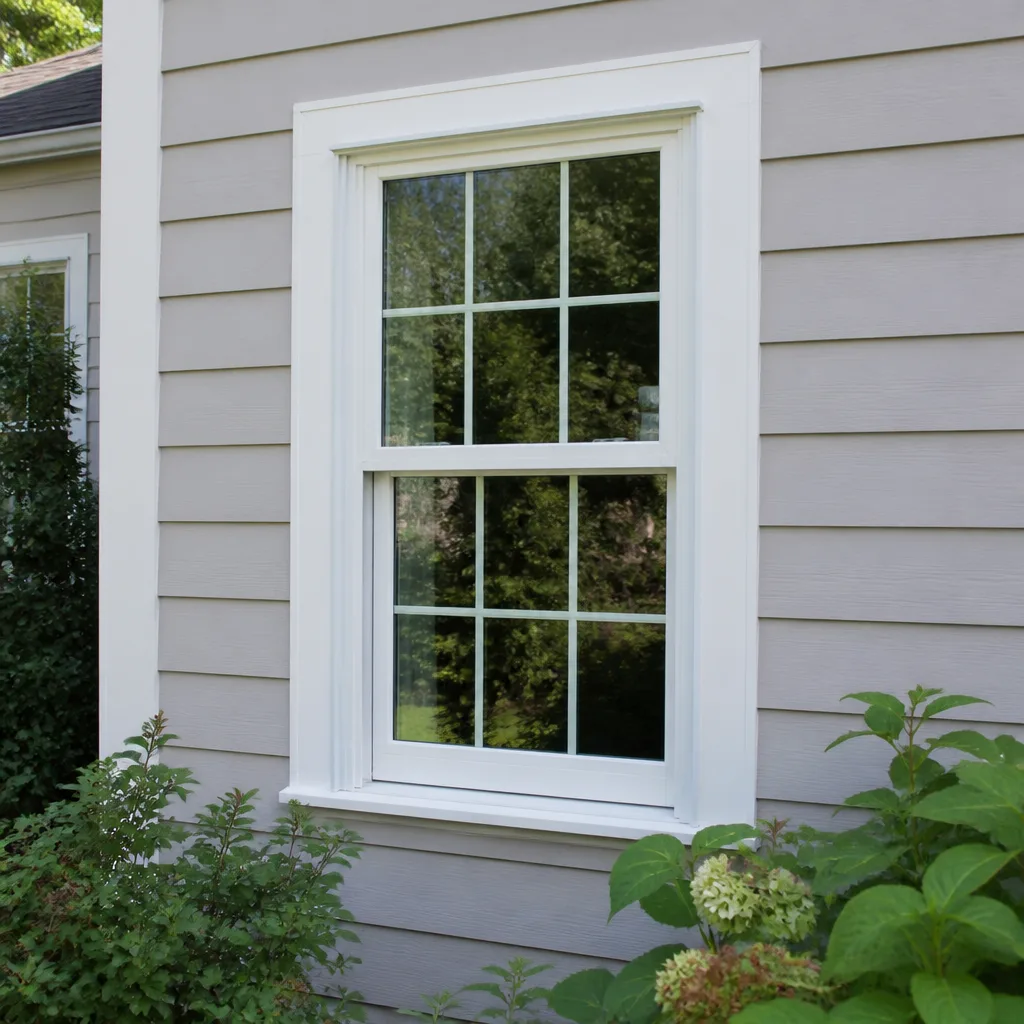
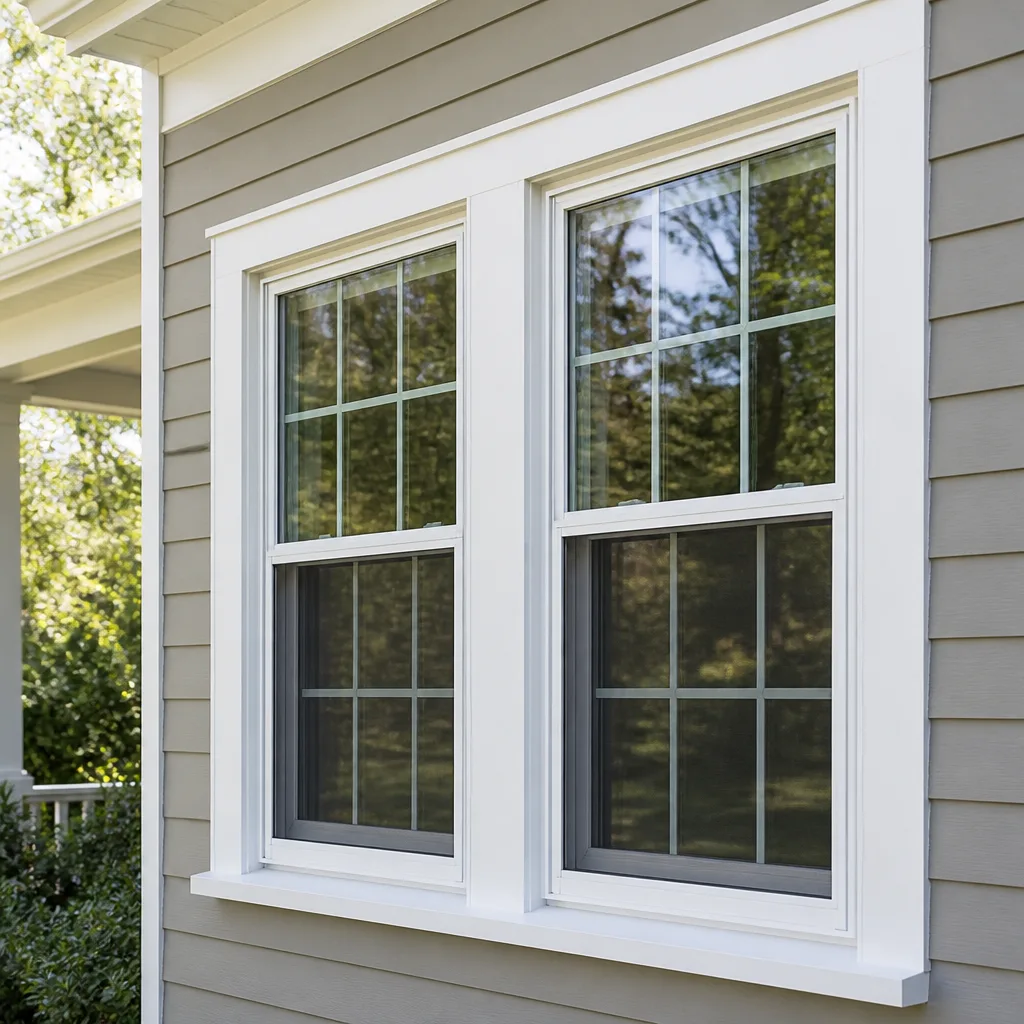
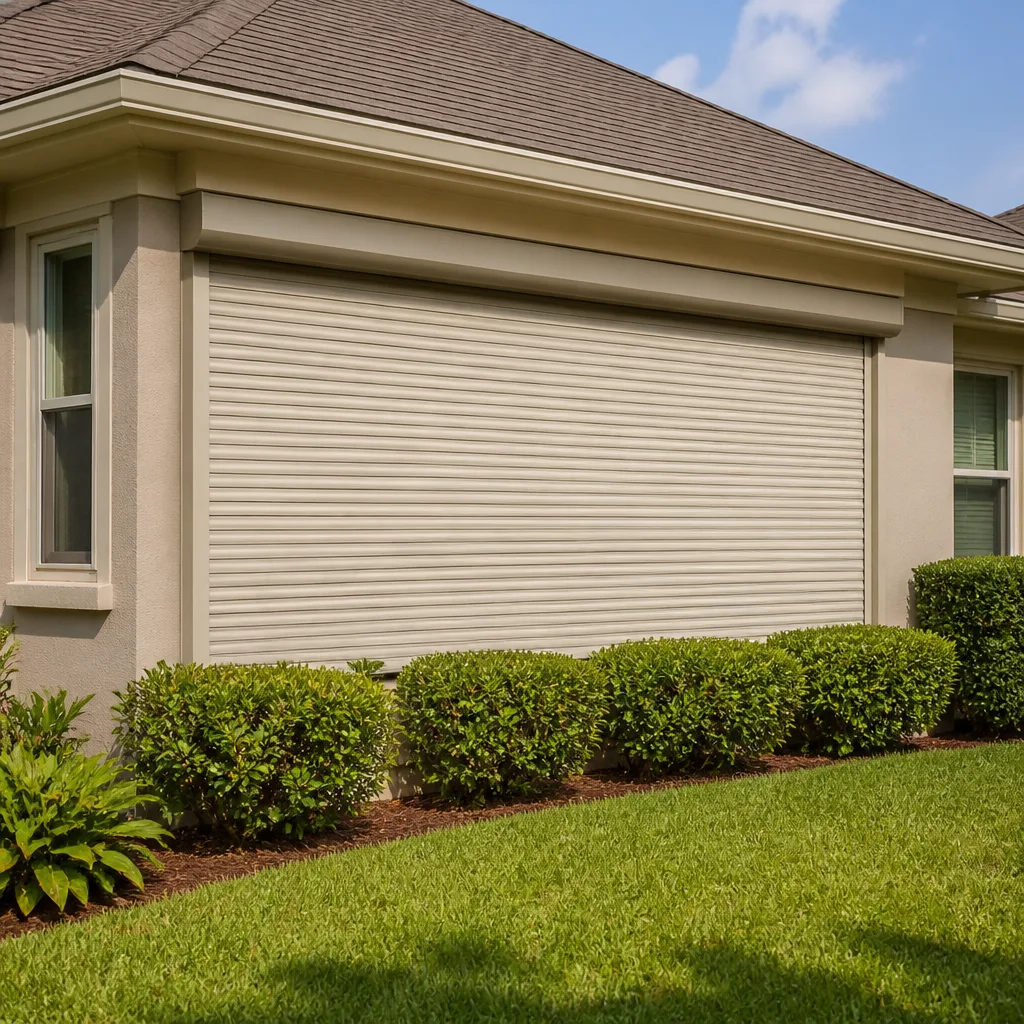
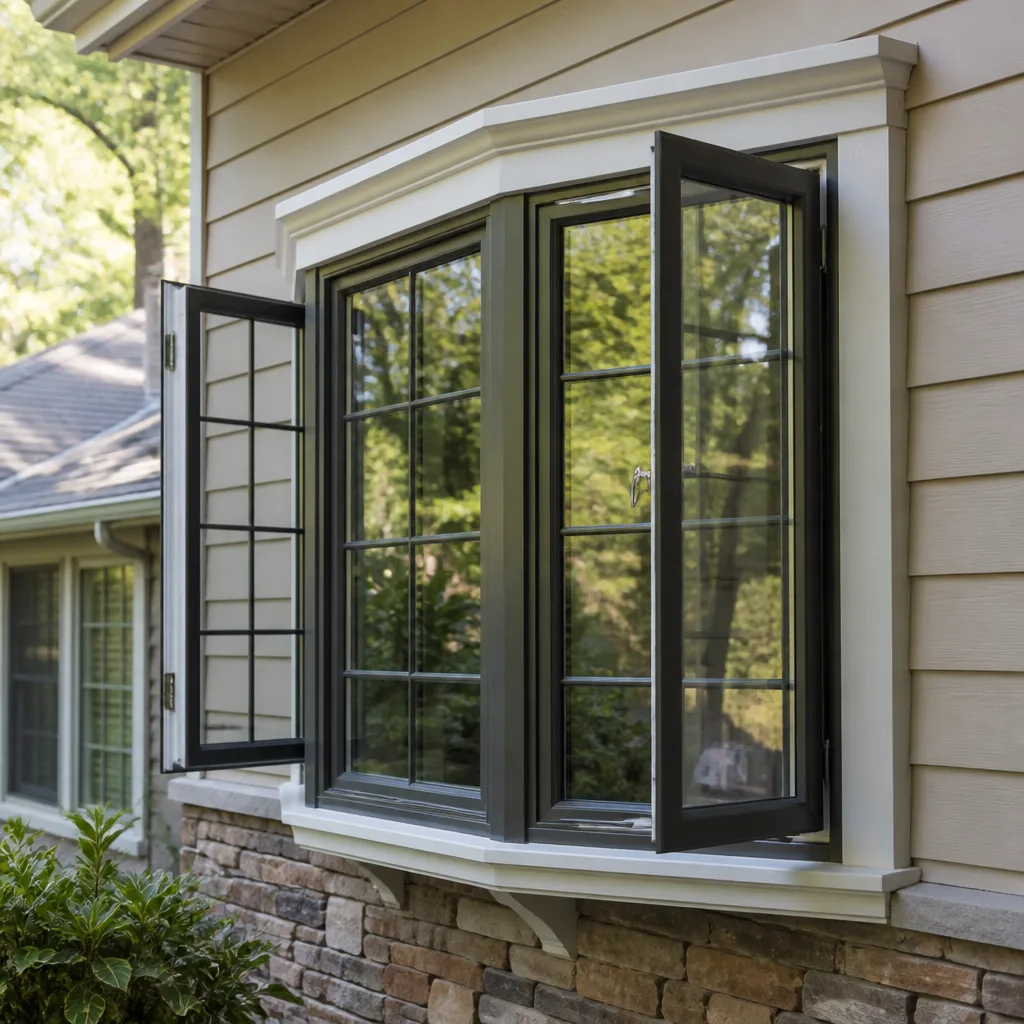
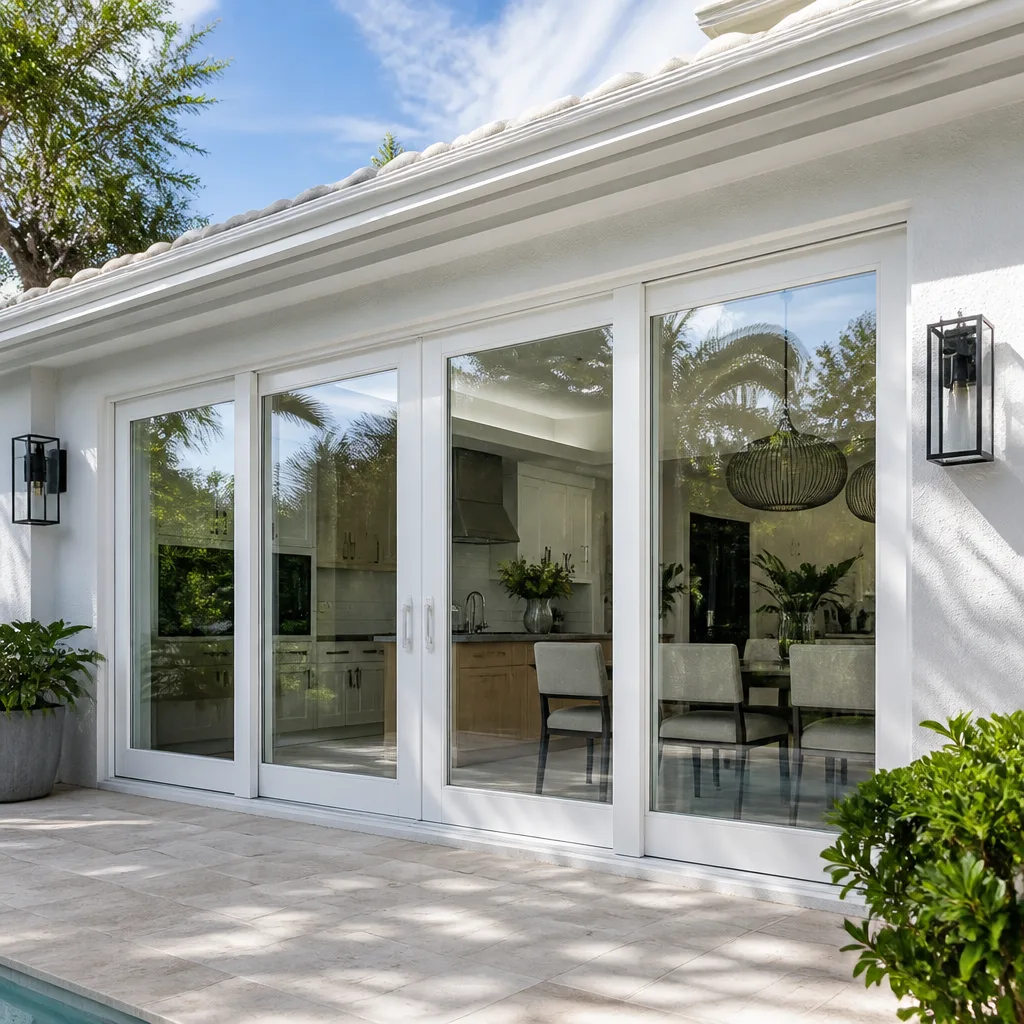
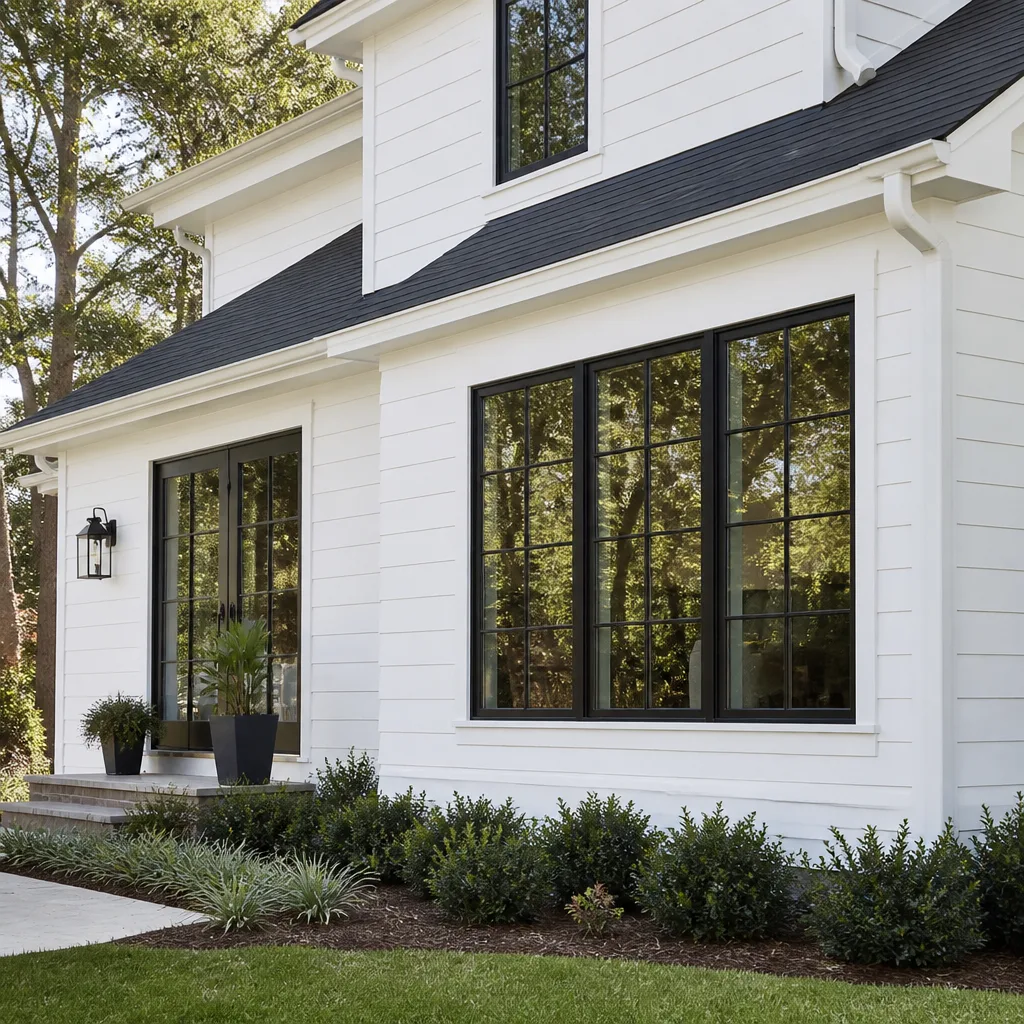
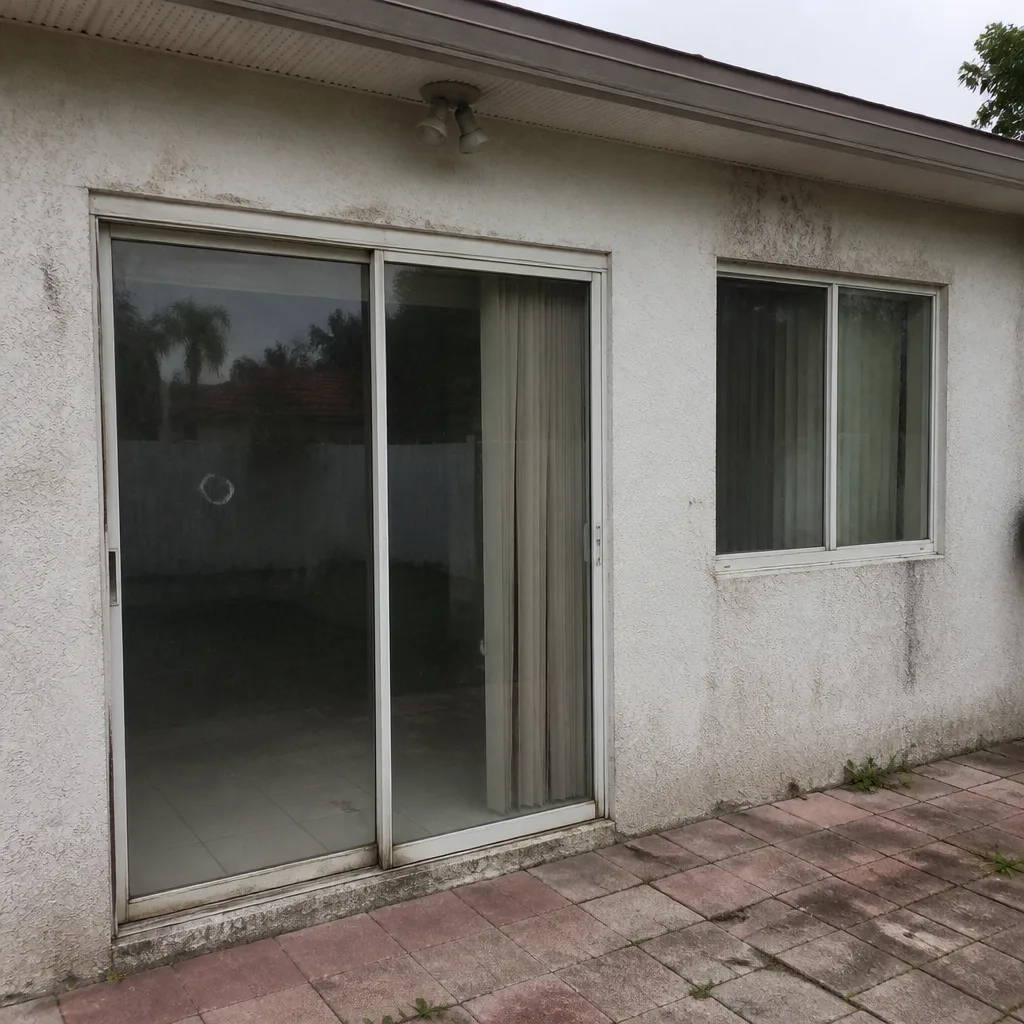 Before
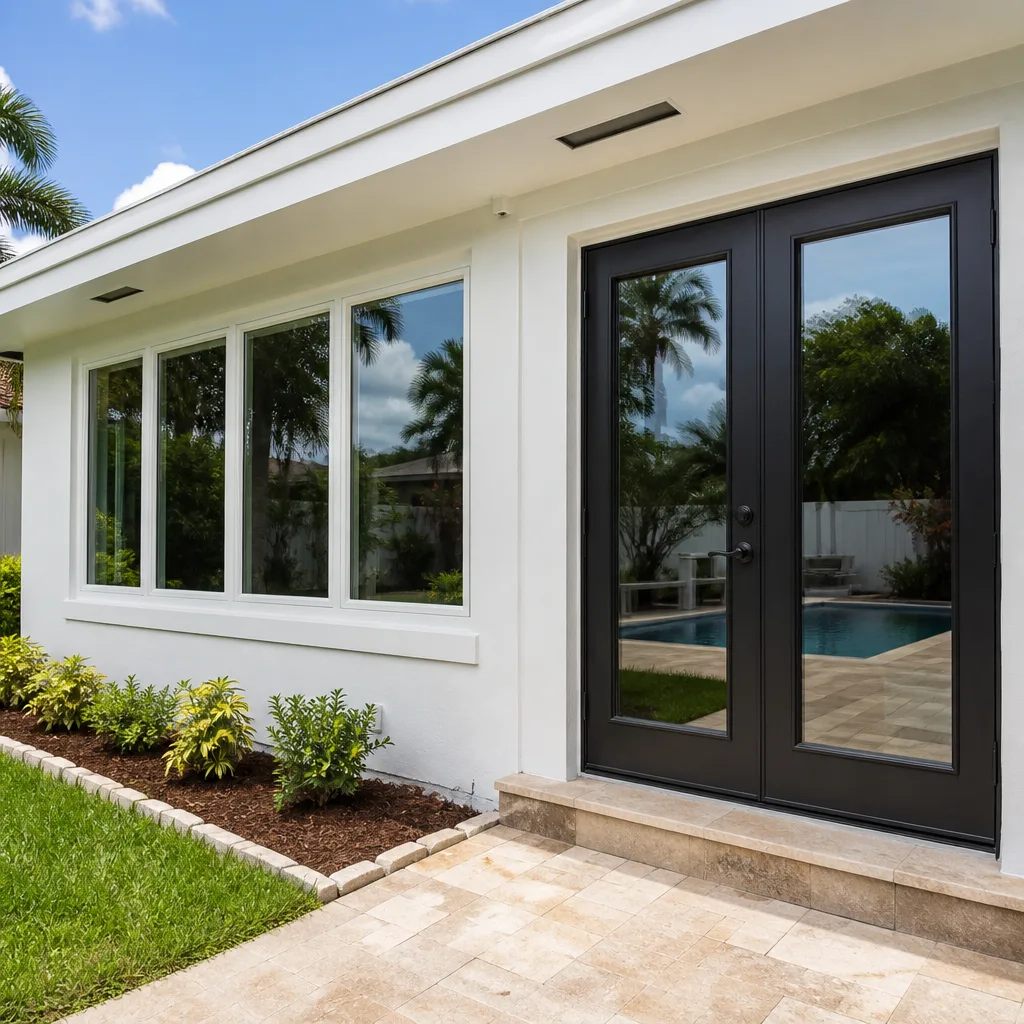 After
After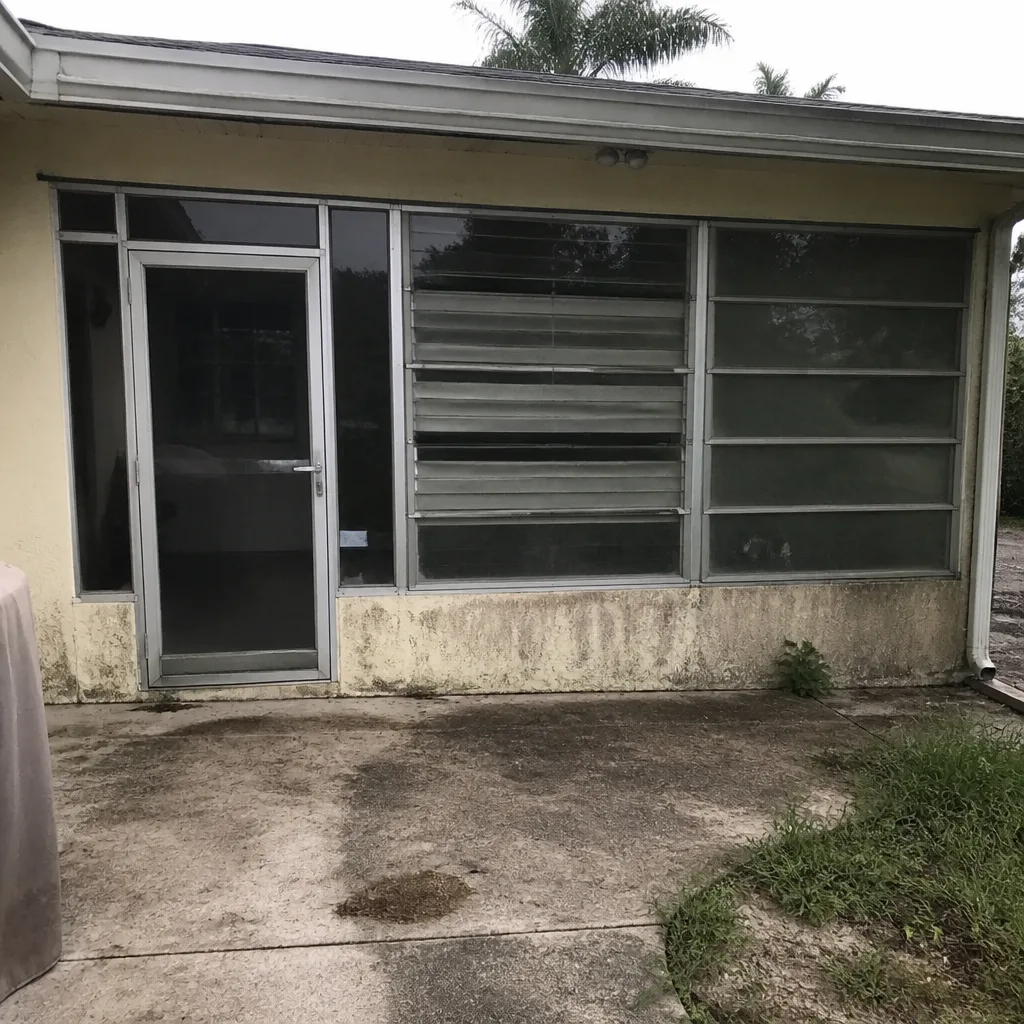 Before
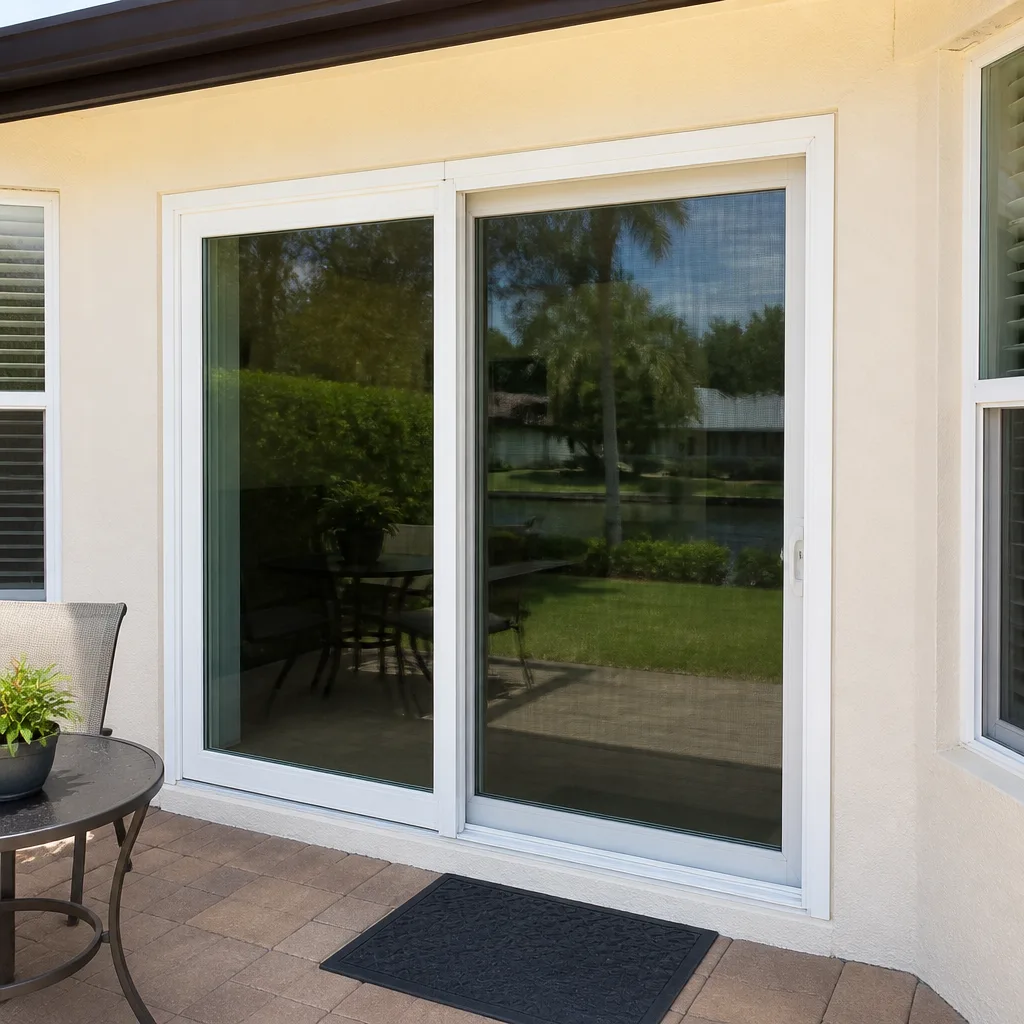 After
After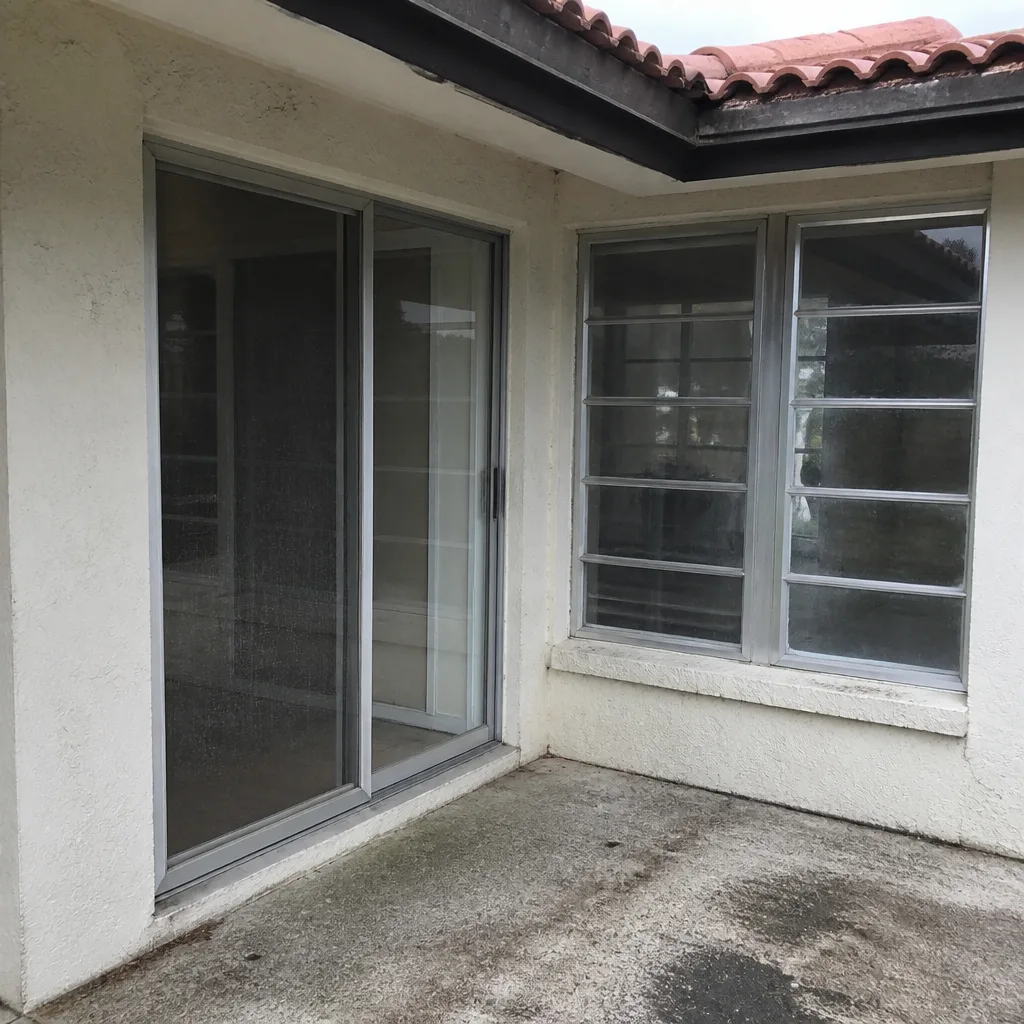 Before
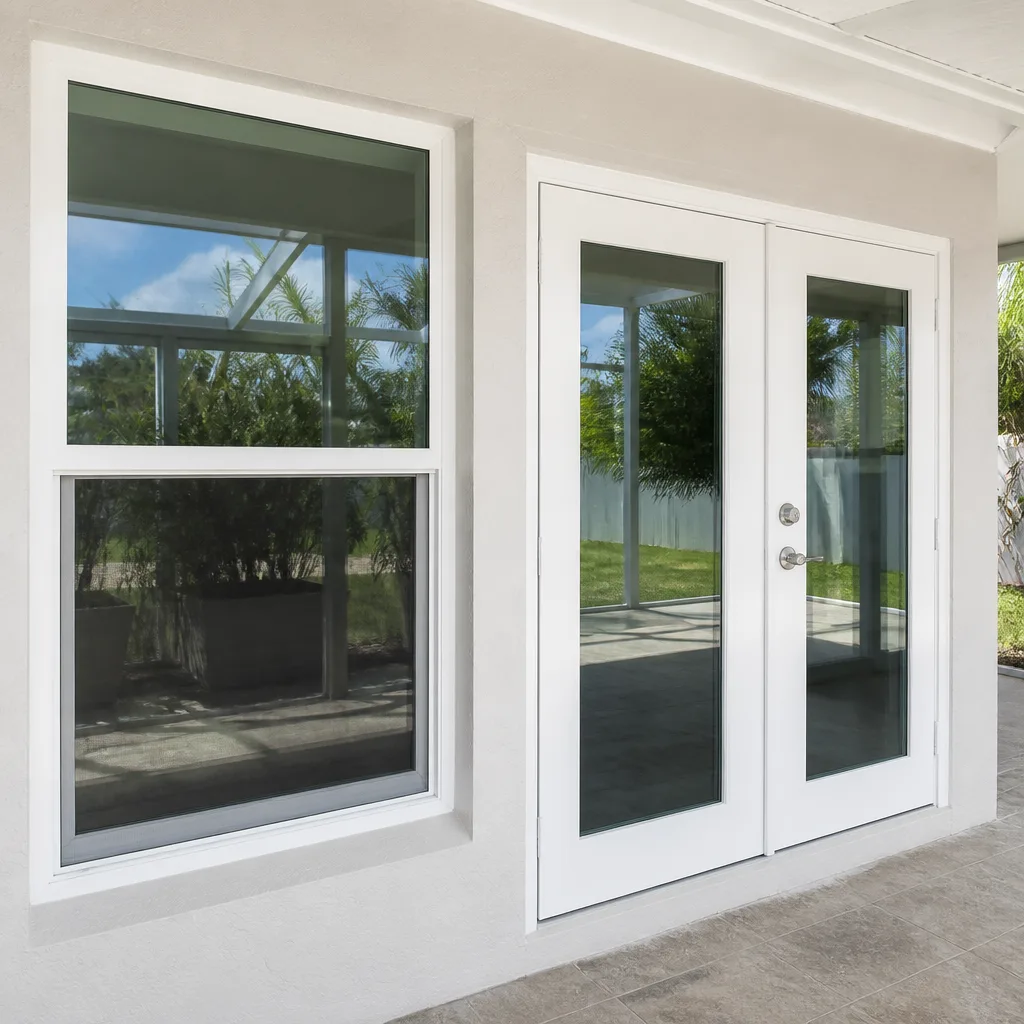 After
AfterWindows & Doors Warning Signs: A Sunrise Homeowner’s Reference Guide
A hairline crack in the glazing compound at a window corner is not cosmetic. In Sunrise’s High Velocity Hurricane Zone, it means the opening may no longer meet the impact-resistance standard it was installed to, and the only way to confirm compliance is a professional inspection, not a visual guess. Most window and door failures announce themselves months before replacement becomes necessary, but homeowners in Sunrise, Plantation Acres, and Sawgrass Estates routinely misread these signals as normal aging or surface wear. This guide pairs each visible symptom with its underlying cause, assigns a plain-English severity rating, and shows you how to document what you see so any contractor can assess it accurately. For more guides & resources, see our blog.
Quick Answer
The five critical warning signs that a Sunrise window or door needs professional assessment are: condensation between glass panes (seal failure), frame corrosion or pitting (moisture intrusion), sealant separation from the substrate (air and water infiltration), hardware that requires increasing force to operate (mechanical wear or frame distortion), and visible daylight at frame corners (installation or anchor failure). Cosmetic issues allow planned replacement; envelope-compromising signs require immediate action to prevent structural damage, mold, or code non-compliance in Broward County’s HVHZ.
Table of Contents
- Condensation Between Panes: What Fogged Glass Actually Means
- Frame Corrosion and Pit Formation
- Sealant Separation and the Building Envelope
- Hard-to-Operate Hardware: Mechanical Wear vs. Frame Distortion
- Daylight Visible at Frame Corners
- Stucco Cracking Adjacent to Frames: Window Anchor Failure
- Impact Sliding Door Hardware: The Hidden Compliance Failure
- How to Document Warning Signs for Contractor Review
 Before
 After
AfterCondensation Between Panes: What Fogged Glass Actually Means
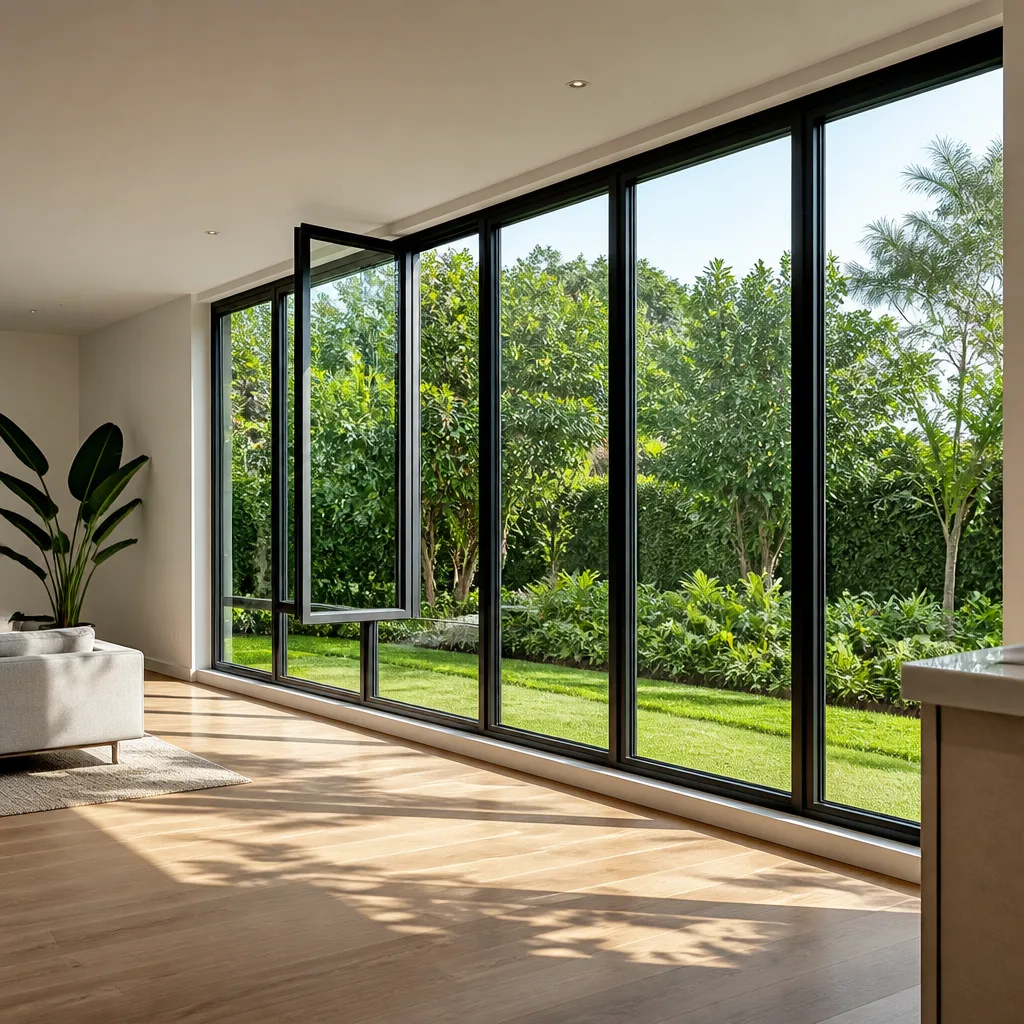
Fogging or haze between double-pane glass is not a cleaning problem. It indicates that the insulating glass unit’s perimeter seal has failed, allowing moist outside air into the space between lites. In Sunrise’s subtropical climate, where exterior humidity routinely exceeds 80% for six months of the year, this failure accelerates once it begins.
The root cause is almost always seal degradation at the glass edge, where the primary polyisobutylene seal and secondary structural silicone have separated due to thermal cycling, UV exposure, or manufacturing defect. The desiccant inside the spacer bar becomes saturated. Condensation forms on the interior glass surfaces where you cannot wipe it. Over time, the moisture etches the low-E coating and deposits mineral residue that permanently obscures the view.
Severity rating:
- Planned replacement timeline: Fogging without frame damage, in a non-impact zone of the home, during dry season. Schedule assessment within 30-60 days.
- Immediate action required: Fogging in impact-rated units, on windward elevations, or accompanied by frame swelling or water staining on interior drywall. The unit may no longer resist design pressure loads.
Replacement cost in the Sunrise market typically runs $340-$680 per opening for standard vinyl double-hung units, $890-$1,740 for impact-rated units with PGT or CGI glass packages. The written quote should specify spacer bar material (warm-edge spacers outperform aluminum in humidity) and whether the replacement carries a 20-year glass seal warranty. Window Replacement in Sunrise covers full-unit replacement when the frame itself has degraded.
We have measured IGU seal failures in Sunrise homes as early as 7 years after installation, particularly in west-facing elevations where afternoon thermal shock is greatest. The 18,000+ openings in our records show that units with stainless steel spacers and dual-seal construction average 15+ years before first seal breach in this climate.
Frame Corrosion and Pit Formation
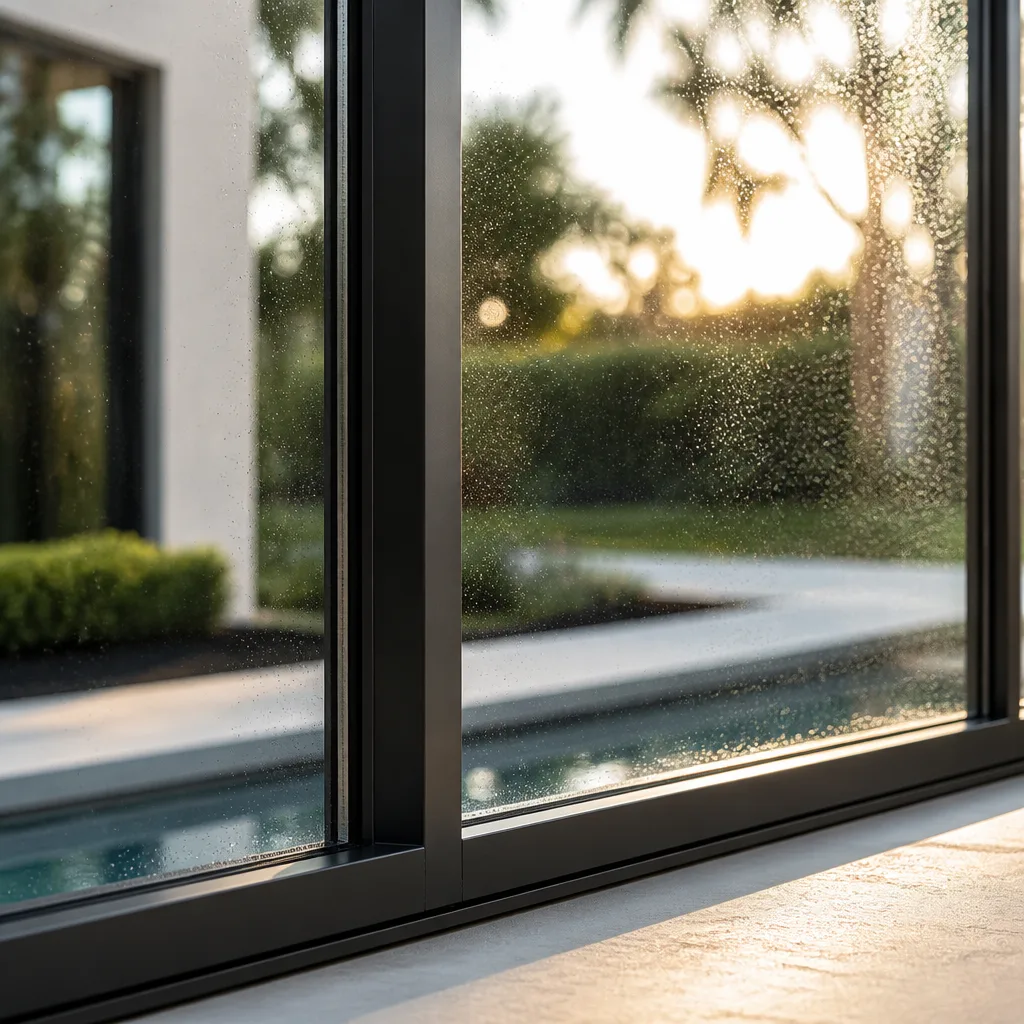
Aluminum window frames in coastal South Florida do not rust like steel, but they corrode through galvanic or pitting mechanisms that are equally destructive to structural integrity. White powdery residue on aluminum, greenish staining on bronze anodized finishes, or bubbling paint on steel-reinforced vinyl frames all indicate that the protective oxide layer has been compromised and moisture has reached the substrate.
In Sunrise, the specific accelerants are:
- Salt-laden air infiltration: Even 8-10 miles inland, coastal aerosols deposit chloride ions on frame surfaces. Without regular washing, these concentrate at weep channels and sill noses.
- Galvanic coupling: Dissimilar metals in contact, such as aluminum frames with steel fasteners or copper flashing, create micro-voltaic cells that pit the less noble metal.
- Trapped condensation: Blocked weep holes (common after pressure washing or painting) allow water to pool in the frame cavity, accelerating crevice corrosion.
Pitting depth matters. Surface staining with intact metal beneath allows scheduled replacement. Pitting that has penetrated the frame wall, or corrosion at corner joints where the frame sections meet, compromises the structural capacity to resist wind loads. In Broward County’s HVHZ, a pitted frame at a corner joint may no longer transfer design pressure to the anchor bolts as engineered.
Inspect weep holes monthly during wet season. They should be visibly open and drain freely when water is poured into the sill track. If you find white crystalline buildup or the holes appear sealed with paint or debris, clean with a nylon brush and flush with fresh water. Document pitting locations with photographs that include a coin or ruler for scale.
Frame replacement in Sunrise runs $520-$1,180 for standard aluminum, $1,240-$2,380 for thermally broken or impact-rated frames. Window Installation in Sunrise addresses new-construction and full-frame replacement scenarios where the rough opening itself requires assessment.
Sealant Separation and the Building Envelope
Caulk that pulls away from the window frame or the adjacent stucco is not merely an aesthetic flaw. It is evidence that the flexible joint between the window frame and the wall substrate has failed, creating a direct path for water and unconditioned air into the wall cavity.
The sealant joint performs two functions: it blocks bulk water entry, and it accommodates differential movement between the frame (aluminum or vinyl, expanding and contracting with temperature) and the wall (stucco or EIFS, moving on a different thermal mass and moisture cycle). When sealant adhesion fails, both functions stop.
In Sunrise, we see three distinct failure patterns:
- Cohesive failure: The sealant splits down its middle, leaving residue on both surfaces. This indicates the sealant was applied too thickly, or the wrong product was specified for the joint width. Common in builder-grade installations using painter’s caulk rather than ASTM C920 sealant.
- Adhesive failure: The sealant peels cleanly off one surface, usually the stucco. This signals surface contamination at application, or that the stucco was not primed for sealant adhesion. We see this frequently in Sunrise homes built 2015-2019 with synthetic stucco systems.
- Three-sided adhesion: The sealant adheres to the frame, the stucco, and the back of the joint, with no bond-breaker tape. This prevents the joint from flexing; the sealant tears under thermal movement, typically within 18-36 months in our climate.
Re-caulking is a maintenance repair, not a window replacement. However, if sealant failure has allowed water into the wall cavity for multiple wet seasons, the rough opening may have sustained damage that requires reframing. We have removed windows in Sunrise’s Welleby and Sawgrass neighborhoods where concealed OSB sheathing had degraded to the consistency of wet cardboard after three years of undetected leakage.
Before calling a contractor, photograph the full perimeter of each failed joint. Note whether the separation is uniform or concentrated at corners and sill. Corner concentration suggests frame movement or anchor issues; uniform separation suggests product aging or UV degradation.
Hard-to-Operate Hardware: Mechanical Wear vs. Frame Distortion
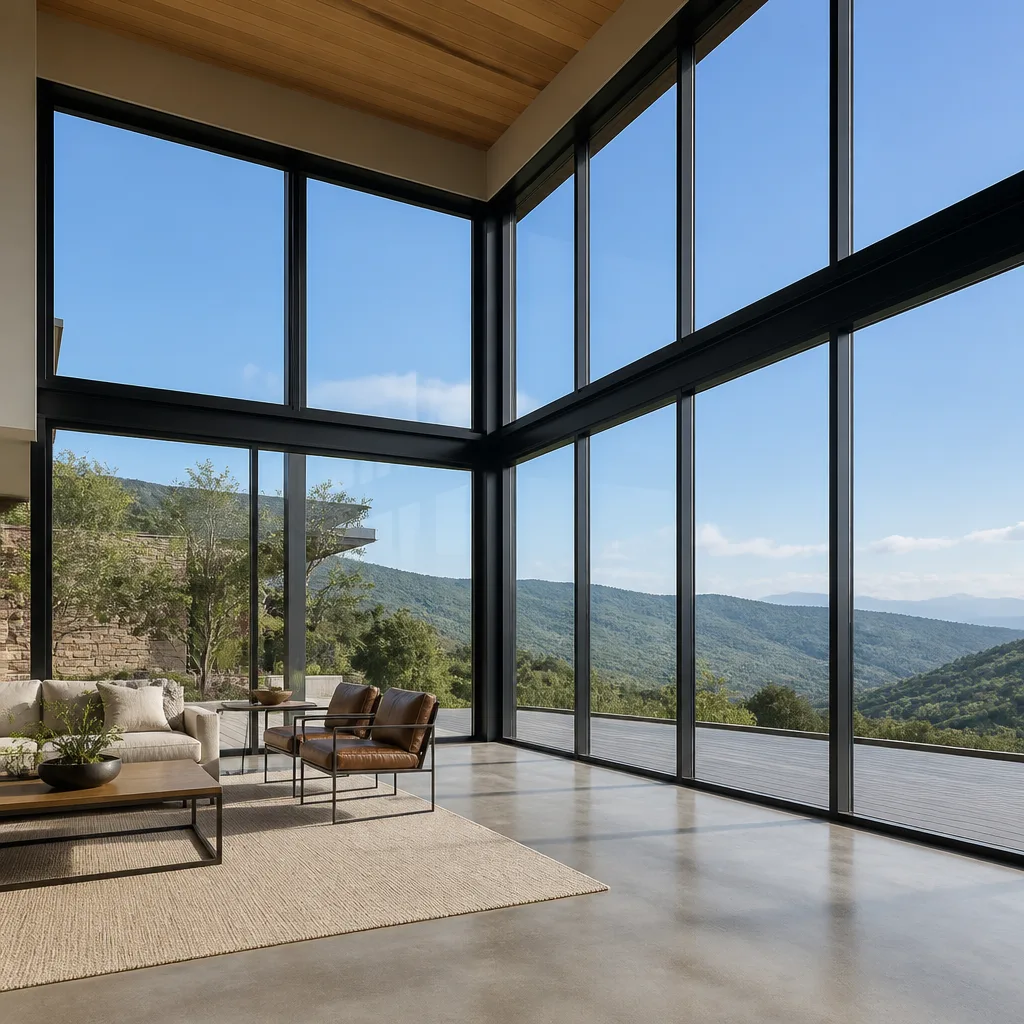
A window or door that requires increasing force to open, lock, or latch is reporting structural change. The diagnostic task is distinguishing mechanical wear (replaceable) from frame distortion (indicating installation or anchor failure).
Mechanical wear signs: Grating or grinding sensation at consistent points in the operation cycle; lock tongue misalignment with the strike plate that can be compensated by lifting the sash; smooth operation when force is applied in a specific direction. These typically respond to hardware replacement or adjustment.
Frame distortion signs: Binding that worsens seasonally, particularly during wet season when framing lumber swells; visible rack in the frame (measure diagonals, they should match within 1/8 inch); lock misalignment that shifts progressively; operation that requires force against the frame itself rather than the sash. These indicate the frame is no longer square or plumb, and the cause must be identified before hardware replacement will help.
In Sunrise’s flat-roof ranch and split-level stock, particularly in neighborhoods built 1970-1995, we find frame distortion most often at sliding glass doors where the sill pan was omitted or improperly flashed. See The Complete Guide to Windows & Doors in Sunrise for a full overview of regional installation practices. The door frame settles or spreads; the rollers no longer track parallel; the lock points no longer align. Homeowners compensate with shoulder force, accelerating wear on rollers and lock mechanisms.
Hardware-only repair runs $140-$380 per opening. Frame distortion requiring removal and reinstallation with proper shimming and anchoring runs $680-$1,420. If the rough opening itself has settled, structural correction may be needed first. Door Installation in Sunrise covers full-frame replacement with proper sill pan and flashing integration.
Daylight Visible at Frame Corners
Seeing light between the window frame and the wall at corners is one of the most misdiagnosed symptoms in residential construction. Homeowners often attribute it to “settling” or assume it is normal for older homes. It is neither. Daylight at frame corners indicates that the frame has separated from the rough opening framing, the sealant has failed at that location, or both.
The critical distinction is between:
- Gap at the interior trim: May be trim shrinkage or poor initial fit. Not structurally urgent, but verify that air and water are not bypassing the trim to reach the frame gap behind it.
- Gap at the frame itself: Look past the trim, at the frame edge where it meets the wall finish. If you see light here, the frame-to-wall seal is compromised. In Sunrise’s HVHZ, this gap is a pressure-equalization path during wind events, potentially allowing water forced by wind pressure to enter the wall cavity even if the exterior sealant appears intact.
- Gap at the sash-to-frame interface: Indicates weatherstrip failure or sash warp. On impact-rated units, this may also mean the sash is no longer seating against the frame with the compression required to maintain the impact-resistant barrier.
Test method: On a bright day, stand inside with the window closed and lights off. Look at each corner from multiple angles. Use a flashlight from the exterior at night to back-light gaps. For sliding doors, check the meeting stile where the two panels come together, this is a common daylight point that also indicates latch or keeper misalignment.
Document with photographs showing the gap width relative to a standard object (pencil, quarter). Note whether the gap is consistent or varies with temperature and humidity. Seasonally variable gaps suggest frame movement from moisture cycling in the wall, a more serious condition than static shrinkage.
Stucco Cracking Adjacent to Frames: Window Anchor Failure
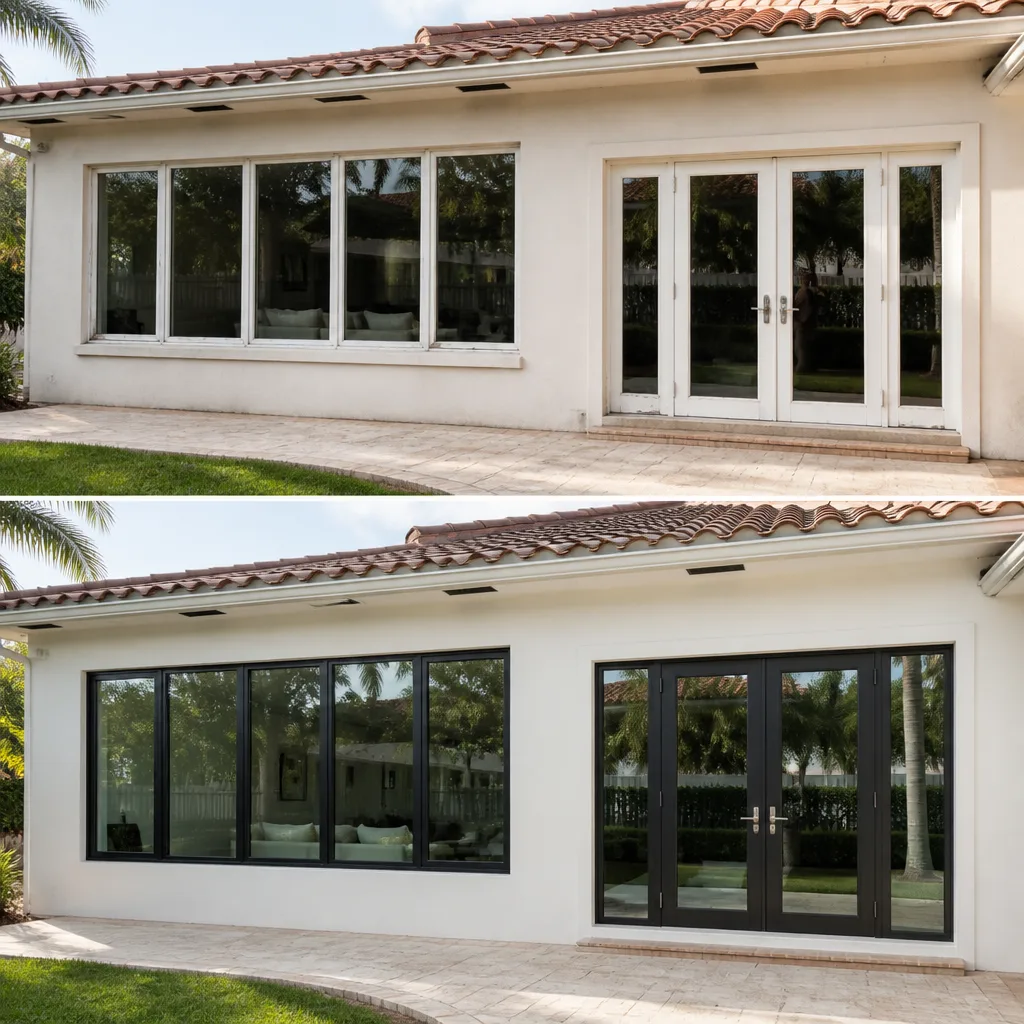
Diagonal cracks in stucco running from window corners, or horizontal cracks aligned with the window head or sill, are frequently misdiagnosed as foundation settlement. In our experience across Sunrise and western Broward County, these patterns more often indicate window anchor failure or inadequate fastening that has allowed the frame to move within the opening.
The mechanism: Window frames are anchored to the rough opening framing with screws or clips at specified spacing, typically every 12-24 inches and within 6 inches of each corner. If anchors are missing, undersized, or pulled out (common in the soft pine framing of 1980s-1990s construction), the frame shifts under wind load, thermal expansion, or door-slamming impact. The stucco, which is bonded to the frame flange or abuts it tightly, cracks as the frame moves.
Foundation settlement cracks typically run continuously past the window, appear at multiple locations around the structure, and show vertical displacement (one side higher than the other). Window anchor cracks originate at the frame corner, run diagonally into the field stucco at roughly 45 degrees, and show no vertical displacement. They often reappear after repair because the underlying movement continues.
In Sunrise’s sandy soils, true foundation settlement is less common than homeowners assume. Before engaging a foundation contractor for window-corner cracks, have a window professional remove interior trim to inspect anchor placement. We have found missing corner anchors in approximately 30% of pre-2000 homes we assess in Sunrise, and in nearly half of those, the homeowner had previously paid for stucco repair that cracked again within 18 months.
Anchor remediation requires removing the window, reinstalling with proper fastening to structural framing, and re-flashing. This is not a maintenance item; it is corrective work that should be documented with photographs of the anchor placement before the window is reinstalled. Under the Haven Standard, we provide this documentation as standard evidence on every job.
Impact Sliding Door Hardware: The Hidden Compliance Failure
Impact-rated sliding glass doors in South Florida carry a specific vulnerability that is not visible during casual operation. The multi-point locking system and interlock between the fixed and operating panels can appear to function normally while no longer maintaining the continuous compression seal that the impact rating requires.
The failure pattern: Over years of operation, the adjustable rollers settle or wear, the door panel drops slightly, and the interlock height misaligns. The door still slides. The thumbturn still throws the bolt. But the interlock no longer overlaps the fixed panel by the dimension tested in the missile-impact and cyclic-pressure certification. In a design wind event, the panel may not remain in the frame as rated.
This is particularly relevant in Sunrise, where the 2010 Florida Building Code and subsequent editions require HVHZ compliance for all replacement doors. A door installed as “impact-rated” but no longer operating within certified tolerances is a code-compliance issue, not merely a performance concern.
Signs to check:
- Measure the interlock overlap with the door closed. It should match the manufacturer’s installation manual, typically 3/4 inch minimum. If you can insert a dime vertically into the gap between interlock surfaces, the overlap is likely insufficient.
- Operate the lock with the door in the closed position. The thumbturn should require moderate, consistent force through its full travel. If it is easy at the start and stiff at the end, or vice versa, the lock points are not engaging evenly, indicating panel misalignment.
- Check the sill track for wear grooves or roller flat spots. These indicate the panel weight is not distributed correctly, and the panel is operating at an angle.
- With the door locked, grasp the operating panel at the lock side and attempt to move it perpendicular to the plane of the door. Detectable movement indicates the lock is not compressing the weatherstrip to rated values.
Impact sliding door panel realignment and hardware service runs $380-$720. Full replacement with current HVHZ-compliant units from PGT, CGI, or CWS ranges $2,400-$4,800 depending on panel count, size, and glass specification. The written quote should reference the specific design pressure rating (typically +60/-60 psf or higher for Sunrise’s wind-borne debris region) and the missile-impact certification level.
Sightline Windows & Doors Sunrise home maintains current manufacturer documentation for all eight product lines, and we verify that any replacement door specified for your opening carries the current Florida Product Approval required for permit issuance in Broward County.
How to Document Warning Signs for Contractor Review
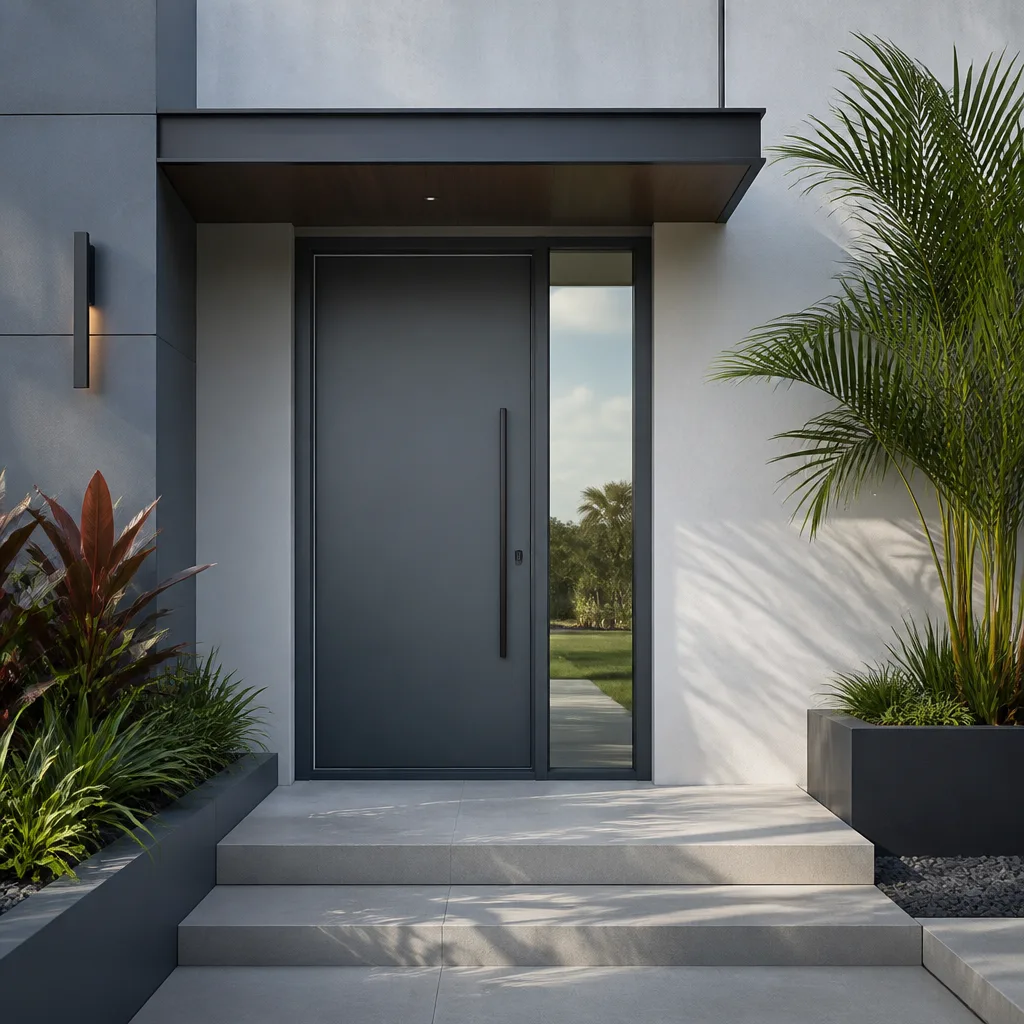
The quality of your contractor’s preliminary assessment depends on the quality of your documentation. Vague descriptions lead to vague quotes. Specific, dated, scaled photographs allow accurate remote assessment and ensure that the scope discussed before site visit matches what the technician finds.
Photography protocol:
- Establish context: One photograph showing the full elevation of the home with the problem window or door identifiable. This establishes compass orientation and exposure.
- Full-frame view: One photograph of the complete unit from inside and outside, showing the entire frame and adjacent wall area.
- Detail at maximum resolution: Close enough that the defect fills 50% of the frame. Include a ruler, coin, or pencil for scale. Photograph perpendicular to the surface, not at an angle that distorts dimensions.
- Sequential documentation: If the condition varies (condensation that clears by afternoon, operation that binds only when humid), photograph at multiple times with timestamps.
- Interior evidence: Water staining on drywall, floor damage at sills, or trim separation inside often reveals the failure path more clearly than exterior views.
Written record to accompany photographs:
- Date first noticed
- Whether condition is stable, worsening, or intermittent
- Any prior repair attempts and their outcomes
- Product labels or markings visible on the frame or glass (manufacturer, model, impact sticker with approval number)
- Direction faced (north, south, etc.) and floor level
This documentation serves multiple purposes. It allows contractors to prepare accurate material lists before visiting. It creates a dated record for insurance claims if damage is later discovered. And it protects you if a contractor’s site assessment differs from their remote quote, Haven Clause 1 requires that the written price and the measured survey match, but clear documentation ensures the survey itself is accurate.
We provide a documented photo record on every visit as standard evidence, not an upsell. If you have begun your own documentation before calling, we incorporate your photographs into the job file with your permission.
Common Mistakes to Avoid
- Assuming fogged glass will “dry out”: Insulating glass unit seal failure is permanent. Desiccant saturation and coating damage progress regardless of weather. Delaying replacement in Sunrise’s humidity guarantees etching and frame damage.
- Applying exterior caulk over failing sealant: New caulk adheres poorly to degraded old material. The proper repair is complete removal, surface preparation, and application of backer rod and ASTM C920 sealant. Surface coating merely conceals continued water entry.
- Diagnosing stucco cracks as foundation issues without checking window anchors: Foundation contractors in Broward County routinely encounter homeowners who spent $3,000-$8,000 on underpinning or pressure grouting that did not address the actual cause. Remove interior trim and verify anchor presence before assuming structural settlement.
- Accepting “call for a quote” from impact-product contractors: Impact-rated window and door pricing depends on design pressure, missile level, and glass make-up. Any contractor who will not commit to a written price after measurement is not following a transparent process. Haven Clause 1 exists specifically because this practice was endemic in the replacement industry.
- Ignoring hardware resistance as “just getting old”: Progressive binding is a symptom, not a character trait of the door. The underlying cause, frame distortion or anchor failure, continues to worsen and will eventually prevent proper latching, compromising security and impact compliance.
- Failing to verify Florida Product Approval on replacement products: Not all impact windows meet current Broward County requirements. The approval number on the product label must match the current code cycle for your permit. We verify this for every PGT, CGI, CWS, and ES Windows unit we specify.
- Pressure washing weep holes closed: The high-pressure stream drives debris into the channels and can deform vinyl weep covers. Clean weep holes with low-pressure water or compressed air from the interior outward.
When to Call a Professional
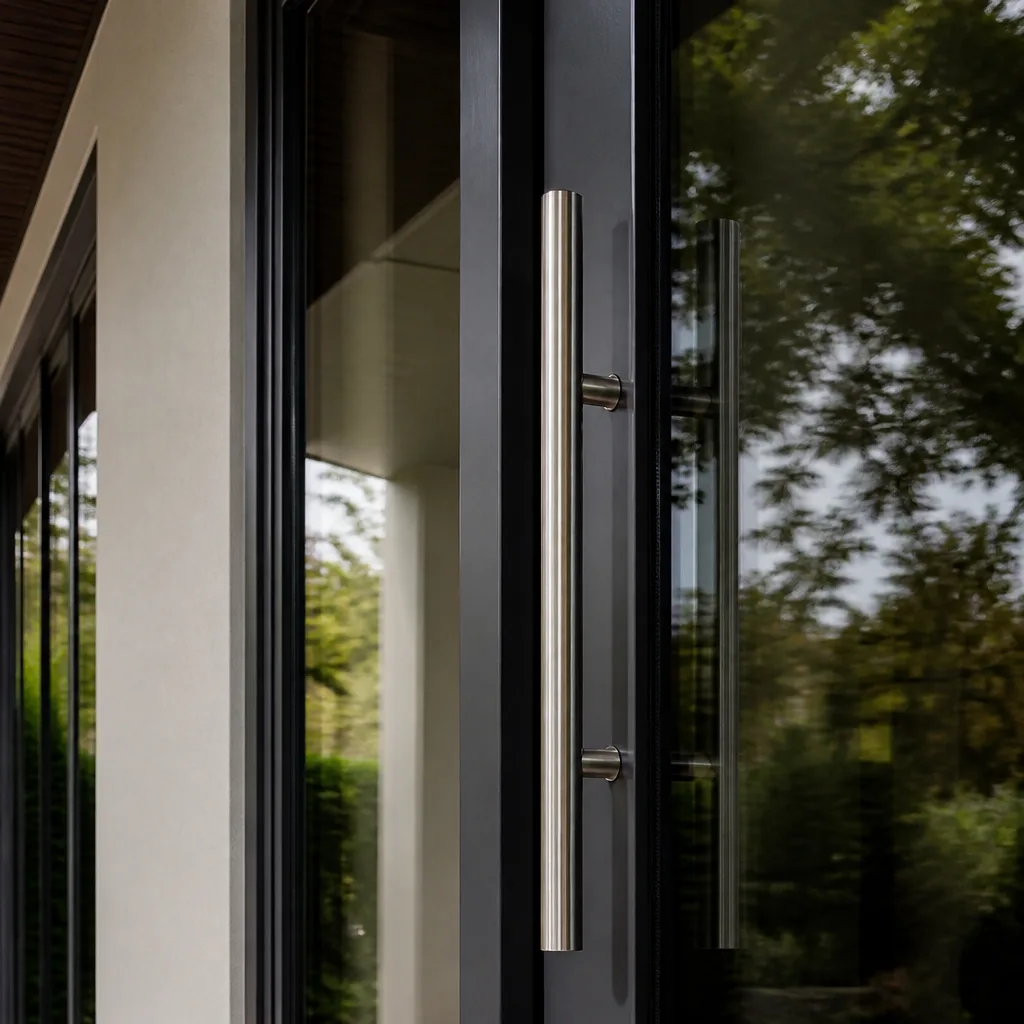
Call for assessment when: condensation between panes persists for more than two weeks; frame corrosion has penetrated the surface metal; sealant separation exceeds 6 continuous inches or occurs at multiple locations; hardware requires force that has increased measurably over six months; daylight is visible at frame corners; stucco cracks reappear after repair; or impact door interlock gap exceeds manufacturer specification. These conditions do not improve with observation.
Sightline Windows & Doors Sunrise offers free estimates in Sunrise. We will review your documentation, perform a measured survey you keep, and provide a written price that does not change once work begins. Call (754) 254-5294 to schedule. If you have a competitor’s written estimate, we provide a free second opinion under the Haven Standard.
Frequently Asked Questions
Full window replacement in Sunrise typically ranges $520-$1,180 per opening for standard vinyl units and $1,240-$2,380 for impact-rated units, with whole-home projects of 15-25 openings running $12,000-$38,000 depending on product tier and installation complexity. Advanced deterioration requiring rough opening repair adds $340-$680 per opening. Call (754) 254-5294 for a written estimate based on your specific openings, estimates are free.
No. Under Haven Clause 1, the written quote developed from our measured survey is the final invoice. We do not operate on estimates that convert to higher bills after demolition. The only price change occurs if you add scope, and that requires a written amendment signed before work proceeds.
Yes. All replacement work in Broward County requires permitting, and impact-product installations require Florida Product Approval verification. We pull permits, schedule inspections, and ensure code compliance as standard scope, not as an add-on line item.
A typical whole-home replacement of 15-20 openings requires 2-3 days of installation after materials arrive, with 2-4 weeks lead time for standard products and 6-10 weeks for custom impact units from PGT or CGI. We schedule start dates only after materials are in hand, so the timeline we commit to is the timeline you experience.
Insulating glass unit replacement is possible when the frame, hardware, and weatherstrip are intact and the frame material matches current availability. In Sunrise’s humidity, we assess whether the frame cavity has accumulated moisture that would compromise new glass. If the frame shows corrosion, distortion, or sealant adhesion failure, full unit replacement is the durable repair.
If any aspect of our installation is not done right, we make it right within 365 days, with no dispute process or deductible. This is written into the Haven Standard that governs every job, not offered as a discretionary courtesy. The promise covers workmanship, product function, and documentation accuracy.
The Bottom Line
Window and door failures in Sunrise announce themselves through specific, observable symptoms if you know what to look for. Fogged glass, frame corrosion, sealant separation, resistant hardware, daylight at corners, stucco cracking, and impact door interlock gaps each map to a root cause with a distinct severity rating. Document what you see with dated, scaled photographs. Distinguish cosmetic aging from envelope compromise. And engage a contractor who provides a written price before work starts, verifies crew identity, and leaves documented evidence when the job is done. These are not preferences. In Broward County’s HVHZ, they are the minimum standard for protecting your home’s structural integrity and code compliance.
Written by Sonia Raman, Owner at Sightline Windows & Doors Sunrise, serving Sunrise since 2012.